


 Trump Signs Executive Order Threatening 25% Tariffs on Countries Trading With Iran
  Missouri Judge Dismisses Lawsuit Challenging Starbucks’ Diversity and Inclusion Policies
  TrumpRx.gov Highlights GLP-1 Drug Discounts but Offers Limited Savings for Most Americans
  Trump Says “Very Good Talks” Underway on Russia-Ukraine War as Peace Efforts Continue
  Trump Lifts 25% Tariff on Indian Goods in Strategic U.S.–India Trade and Energy Deal
  Netanyahu to Meet Trump in Washington as Iran Nuclear Talks Intensify
  TrumpRx Website Launches to Offer Discounted Prescription Drugs for Cash-Paying Americans
  Federal Judge Restores Funding for Gateway Rail Tunnel Project
  Jack Lang Resigns as Head of Arab World Institute Amid Epstein Controversy
  Pentagon Ends Military Education Programs With Harvard University
  Trump’s Inflation Claims Clash With Voters’ Cost-of-Living Reality
  U.S. Announces Additional $6 Million in Humanitarian Aid to Cuba Amid Oil Sanctions and Fuel Shortages
  Nighttime Shelling Causes Serious Damage in Russia’s Belgorod Region Near Ukraine Border
  U.S. to Begin Paying UN Dues as Financial Crisis Spurs Push for Reforms
  New York Legalizes Medical Aid in Dying for Terminally Ill Patients
  Norway Opens Corruption Probe Into Former PM and Nobel Committee Chair Thorbjoern Jagland Over Epstein Links
  Iran–U.S. Nuclear Talks in Oman Face Major Hurdles Amid Rising Regional Tensions


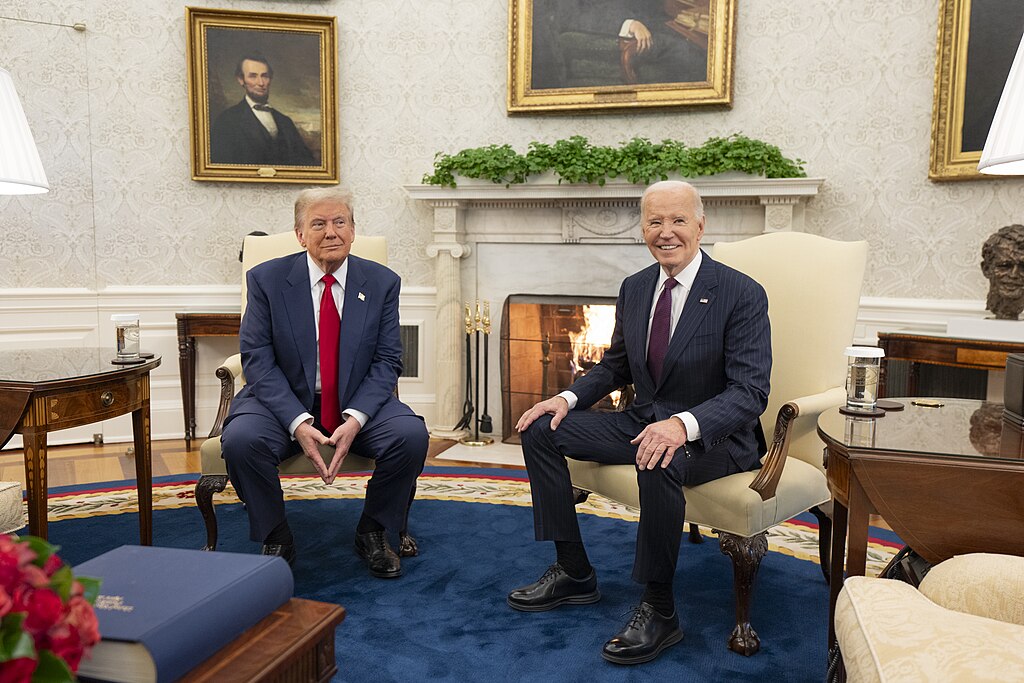
Former President Donald Trump’s transition team has reportedly leveraged Project 2025’s extensive personnel database to identify potential candidates for key roles in a prospective second term, according to NBC News. The move has sparked intense public debate, with critics questioning its implications for government neutrality and supporters touting it as a strategic tool for efficiency.
What Is Project 2025?
Project 2025 is an initiative spearheaded by the Heritage Foundation, a conservative think tank, aimed at preparing a roadmap for implementing conservative policies and streamlining personnel appointments in a new Republican administration. The database reportedly houses a vast pool of vetted candidates aligned with conservative values, intended to aid Republican administrations in quickly filling government roles.
This initiative is described by its creators as a countermeasure to what they perceive as bureaucratic inertia and left-leaning tendencies in Washington. It includes detailed training programs for appointees and a curated list of professionals across multiple government sectors.
Reports indicate that Trump’s transition team has already tapped into this database to streamline the hiring process and ensure ideological alignment among potential appointees. However, this strategy has ignited criticism from detractors who allege it could undermine objectivity and professionalism in federal appointments.
A Tool for Efficiency or Ideological Consolidation?
While the database is seen as a forward-thinking move by Trump’s team, it has drawn criticism for potentially prioritizing political loyalty over qualifications. Critics argue that reliance on such a tool could sideline experienced professionals in favor of ideologically driven appointments.
Supporters, however, hail the move as a necessary counterweight to what they perceive as entrenched bureaucratic resistance to conservative policies. They argue that the initiative allows the administration to bypass time-consuming vetting processes and hit the ground running if Trump returns to office.
Neither Trump’s transition team nor the Heritage Foundation has publicly confirmed or commented on the extent of the database's use, leaving room for speculation about its true scope and impact.
Netizens React
The reports have ignited fiery debates across social media, with netizens split over the implications of Project 2025’s involvement:
- @LibertyAdvocate23: “Streamlining government hiring? Sounds like a win for efficiency. Trump knows how to play the game!”
- @PolicyFirst101: “Using a partisan database to fill federal roles? That’s not governance; that’s pure cronyism.”
- @RightMoveNow: “Finally, a team prepared to bring conservative values back to D.C. This is exactly what we need.”
- @NeutralWatchdog: “No matter who’s in charge, this level of political control over appointments is a slippery slope.”
- @ProgressivePulse: “This is another way to dismantle federal institutions. Trump is gearing up for a loyalty test government.”
- @ConstitutionalCrier: “I’d rather see competence over ideology in government roles. This feels like a dangerous precedent.”
Broader Implications
If Project 2025 becomes central to Trump’s hiring strategy, it could signify a substantial shift in how administrations approach federal appointments. The reliance on a database curated by an external think tank raises questions about the separation between partisan priorities and governmental functions. Critics argue that such an approach risks turning the federal workforce into a political extension of the ruling party.
Supporters, however, point out that administrations from both parties have historically relied on political allies to fill high-ranking positions. They see Project 2025 as a more formalized and transparent approach to an already entrenched practice.
Looking Ahead
With Trump’s potential return to the Oval Office in 2025, the controversy surrounding Project 2025 underscores the polarized political climate in the United States. Whether the database proves to be an asset for efficiency or a lightning rod for accusations of partisanship, it is already shaping the narrative for what could be a highly consequential administration.













