


 EU Ministers Split as Support Grows for Ban on Trade With Israeli West Bank Settlements
  Ann Widdecombe Murder: Police Arrest Second Suspect, Rule Out Terrorism Motive
  UK Sanctions 24 Russian-Linked Targets Over Cyberattacks and Election Interference
  Brazil Court Bars Flavio Bolsonaro From Visiting Jair Bolsonaro Ahead of Election
  US-Iran Strikes Escalate as Strait of Hormuz Crisis Pushes Oil Prices Higher
  DOJ Subpoenas New York Times Journalists Over Air Force One Leak Report
  Republican Senator Lindsey Graham Dies at 71, Leaving South Carolina Senate Seat Vacant
  Trump, Canada Reach Gordie Howe Bridge Deal Ahead of July 27 Opening
  Trump Tells Congress Iran Hostilities Restarted, Citing New 60-Day War Powers Window
  EU Weighs New Trade Restrictions on Israeli West Bank Settlements
  Iraq PM Visits Washington as U.S. Oil, Gas Deals Take Center Stage
  Israel Sets October 27 Election as Netanyahu Faces Tough Political Test
  Zelenskiy Plans Ukraine Government Shake-Up as Prime Minister Svyrydenko Set to Step Down
  Minnesota Wildfires Spread as Governor Tim Walz Deploys National Guard
  Trump Administration Bars U.S. Travelers From Congo Flights Amid Ebola Outbreak
  UN Says Hamas Disrupted Gaza Aid Distribution, Group Denies Allegations
  Reuters/Ipsos Poll: Most Americans Expect U.S.-Iran War to Be Prolonged


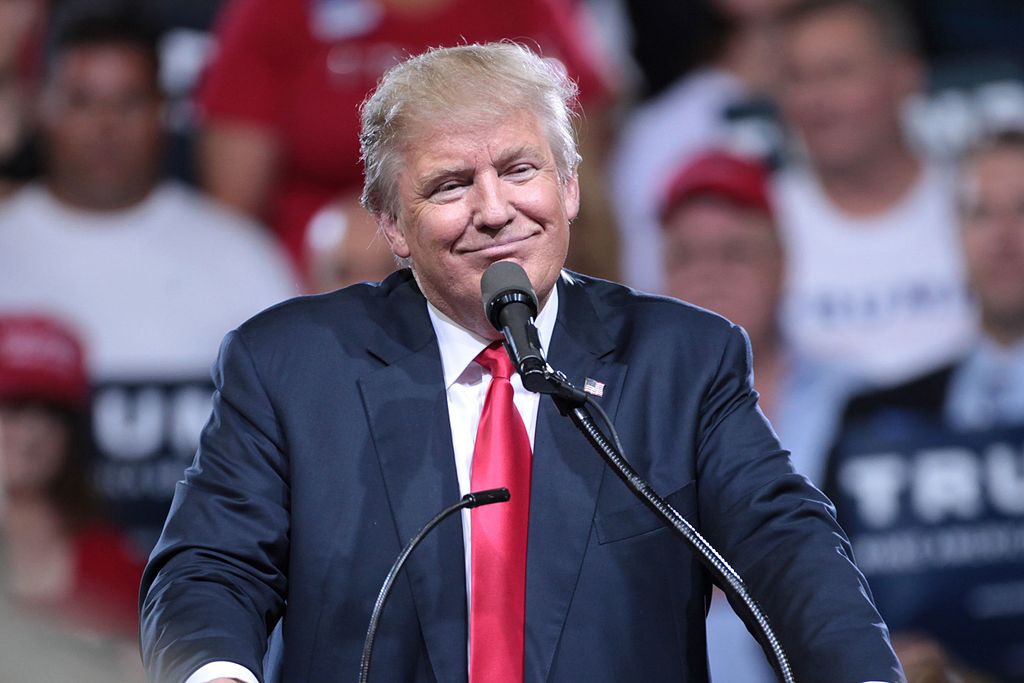
In 2025, President Donald Trump has positioned religious freedom as a cornerstone of his administration, igniting debates across the political spectrum. From rolling out initiatives aimed at protecting religious practices to expanding funding for faith-based organizations, Trump’s policies are drawing both praise and criticism. His administration claims the agenda is a defense of constitutional rights, while opponents argue it risks marginalizing other communities.
As a part of his vision, Trump has vowed to strengthen protections for religious institutions, ensure free exercise of faith in workplaces and schools, and restrict federal funding for programs that allegedly undermine religious beliefs. However, critics warn that such measures could create loopholes for discrimination under the guise of religious freedom.
Key Policies Under Trump’s Religious Agenda
A primary focus of Trump’s strategy involves reversing regulations enacted during previous administrations. These reversals include permitting religious institutions to receive federal funding without complying with certain anti-discrimination requirements. Additionally, the administration is advancing policies to safeguard religious speech in public institutions, particularly schools.
Another controversial proposal seeks to broaden “conscience protections” for healthcare providers, allowing them to refuse services like abortions or gender-affirming care based on religious objections. This policy, Trump argues, preserves moral integrity for faith-based practitioners. Critics, however, view it as a barrier to essential care, especially for marginalized groups.
Faith-based organizations are also poised to receive increased government support, with Trump pledging millions in grants to support religious charities. Proponents argue this will empower community-driven solutions to societal issues, while detractors worry it erodes the separation of church and state.
Public Reactions: Praise, Concerns, and Social Media Firestorms
Trump’s religious freedom agenda has polarized public opinion, sparking heated conversations on social media. Supporters see it as a defense of traditional values, while detractors fear it may erode individual rights.
Netizens voiced mixed reactions online:
- @FaithFirstUSA: “Finally, a president who truly values our religious liberties. This is long overdue. #ReligiousFreedom”
- @EqualityMatters: “Trump’s policies are just a cover for legalized discrimination. This is not what America stands for. #CivilRights”
- @FreedomFighter88: “Protecting faith-based values is critical for the country’s moral foundation. Thank you, Mr. President! #StandForFaith”
- @LGBTQVoices: “Conscience protections? More like excuses for bigotry. This agenda is a step backward for equality. #Resist”
- @MiddleRoadJoe: “I support religious freedom, but not at the expense of healthcare and other essential rights. #BalancedApproach”
- @CommunityHope: “Increased funding for faith-based groups is great news. These organizations do vital work. #SupportFaith”
Critics Warn of Potential Overreach
While Trump’s supporters praise his bold stance on religious liberty, legal experts and civil rights advocates express concerns. They argue that broadening religious exemptions could set a precedent for undermining anti-discrimination laws, especially regarding LGBTQ+ rights.
Elizabeth Foster, a constitutional law professor, stated, “Religious freedom is a vital right, but policies must balance the rights of all citizens. Without careful oversight, these measures could create legal chaos.”
As the Trump administration rolls out its initiatives, watchdog groups and advocacy organizations are closely monitoring their implementation. The debate underscores a deep divide in how Americans perceive the intersection of faith, governance, and personal rights.







