


 Zelenskiy Plans Ukraine Government Shake-Up as Prime Minister Svyrydenko Set to Step Down
  Russia Launches Missile and Drone Attacks on Kyiv, Zaporizhzhia, and Kharkiv
  Ukraine, Europe Launch Freyja Missile Shield to Strengthen Air Defense Against Russia
  Trump Administration Bars U.S. Travelers From Congo Flights Amid Ebola Outbreak
  Trump Recommends Darline Graham for Interim South Carolina Senate Seat
  EU to Propose New Rules Limiting Children's Access to Social Media
  Israeli Strikes Kill Six in Gaza as Ceasefire Talks Continue in Cairo
  Iran Says It Closes Strait of Hormuz After Warning Shot at Vessel
  Reuters/Ipsos Poll: Most Americans Expect U.S.-Iran War to Be Prolonged
  Trump Administration Hands Over Key Evidence in Minnesota Immigration Shooting Investigations
  Republican Senator Lindsey Graham Dies at 71, Leaving South Carolina Senate Seat Vacant
  Israel Sets October 27 Election as Netanyahu Faces Tough Political Test
  Brazil Court Bars Flavio Bolsonaro From Visiting Jair Bolsonaro Ahead of Election
  UN Says Hamas Disrupted Gaza Aid Distribution, Group Denies Allegations
  US-Iran Strikes Escalate as Strait of Hormuz Crisis Pushes Oil Prices Higher
  Iraq PM Visits Washington as U.S. Oil, Gas Deals Take Center Stage
  HHS Watchdog Reports $5.56 Billion in Healthcare Fraud Recoveries as Enforcement Actions Decline


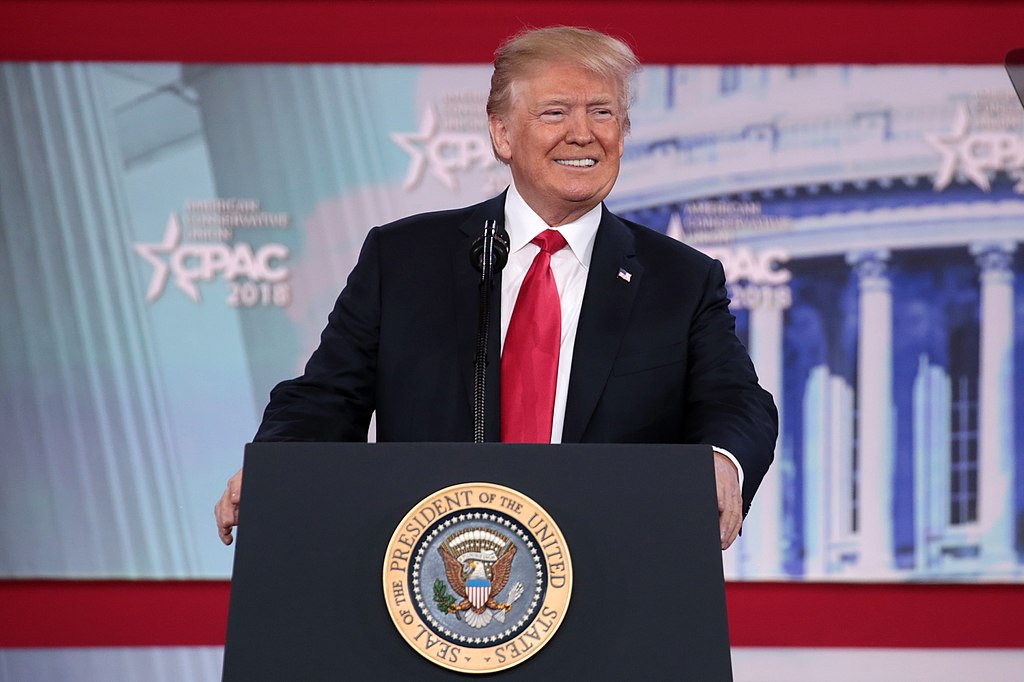
In 2025, President Donald Trump is doubling down on his commitment to revitalizing American manufacturing, aiming to bring jobs back to the U.S. and reduce reliance on foreign goods. Central to his plan is an aggressive "Made in America" initiative that includes tax incentives, tariffs, and deregulation designed to bolster domestic industries.
During his campaign, Trump promised sweeping reforms to reignite the manufacturing sector. Now, as his policies begin to take shape, they have ignited fierce debates among economists, industry leaders, and workers. Trump’s team argues that his approach will create millions of jobs and strengthen the economy, while critics warn of potential inflation, strained international relations, and rising consumer costs.
Proposed Policies: Incentives and Tariffs
The cornerstone of Trump’s manufacturing plan includes significant tax breaks for companies that establish or expand production facilities within the U.S. In a move aimed at reducing outsourcing, the administration is also proposing increased tariffs on imported goods, particularly from countries like China and Mexico.
According to White House officials, these measures are designed to encourage companies to shift operations back to American soil, boosting local employment. The administration is also exploring government contracts that prioritize businesses with U.S.-based supply chains.
However, detractors argue that these policies could backfire. Economists point out that tariffs often lead to higher costs for businesses and consumers. A 2023 report from the Peterson Institute for International Economics found that Trump’s earlier tariffs contributed to increased prices on everything from electronics to household goods. Critics fear a similar outcome in 2025.
Critics Question Feasibility as Supporters Applaud Bold Moves
While Trump’s vision has garnered significant support from blue-collar workers and industry groups, skeptics have raised concerns about its long-term viability. Many argue that the global economy has become too interconnected for the U.S. to rely solely on domestic production.
Shannon Peters, a senior economist at the Brookings Institution, stated, “These policies might temporarily boost certain industries, but they ignore the complexities of global supply chains and the reality of international trade.”
On social media, the plan has sparked mixed reactions:
- @MadeInUSA2025: “Trump is putting Americans first! It’s time we stopped depending on other countries. #ManufacturingRevival”
- @EconWatchdog: “Tariffs = higher prices for consumers. Manufacturing doesn’t just magically return overnight. This is a short-sighted strategy.”
- @BlueCollarVoice: “Finally, a president who cares about American jobs. My factory might reopen thanks to this plan. #Trump2025”
- @GlobalEconExpert: “We live in a global economy. Isolationist policies like this hurt more than they help. #EconomicReality”
- @MomAndPopShop: “Small businesses will struggle to keep up with rising costs if tariffs are implemented. We need balanced policies.”
- @WorkersUniteUSA: “Americans want good jobs, not empty promises. Let’s see if these plans actually deliver. #Skeptic”
Economic Implications and Future Prospects
Trump’s manufacturing strategy has the potential to reshape the U.S. economy, but the road ahead remains uncertain. While the administration touts job creation and economic independence, experts warn that over-reliance on protectionist policies could harm the economy.
As Trump’s initiatives roll out, industry leaders and policymakers will closely monitor their impact on inflation, trade relations, and consumer spending. The success of these measures may ultimately depend on how well they balance domestic priorities with global realities.







