


 U.S. to Begin Paying UN Dues as Financial Crisis Spurs Push for Reforms
  Jack Lang Resigns as Head of Arab World Institute Amid Epstein Controversy
  Trump Allegedly Sought Airport, Penn Station Renaming in Exchange for Hudson River Tunnel Funding
  U.S. Lawmakers to Review Unredacted Jeffrey Epstein DOJ Files Starting Monday
  Israel Approves West Bank Measures Expanding Settler Land Access
  Trump Allows Commercial Fishing in Protected New England Waters
  Anutin’s Bhumjaithai Party Wins Thai Election, Signals Shift Toward Political Stability
  U.S.-India Trade Framework Signals Major Shift in Tariffs, Energy, and Supply Chains
  Trump Signs “America First Arms Transfer Strategy” to Prioritize U.S. Weapons Sales
  Trump Lifts 25% Tariff on Indian Goods in Strategic U.S.–India Trade and Energy Deal
  Norway Opens Corruption Probe Into Former PM and Nobel Committee Chair Thorbjoern Jagland Over Epstein Links
  Iran–U.S. Nuclear Talks in Oman Face Major Hurdles Amid Rising Regional Tensions
  Antonio José Seguro Poised for Landslide Win in Portugal Presidential Runoff
  Netanyahu to Meet Trump in Washington as Iran Nuclear Talks Intensify
  India–U.S. Interim Trade Pact Cuts Auto Tariffs but Leaves Tesla Out
  US Pushes Ukraine-Russia Peace Talks Before Summer Amid Escalating Attacks


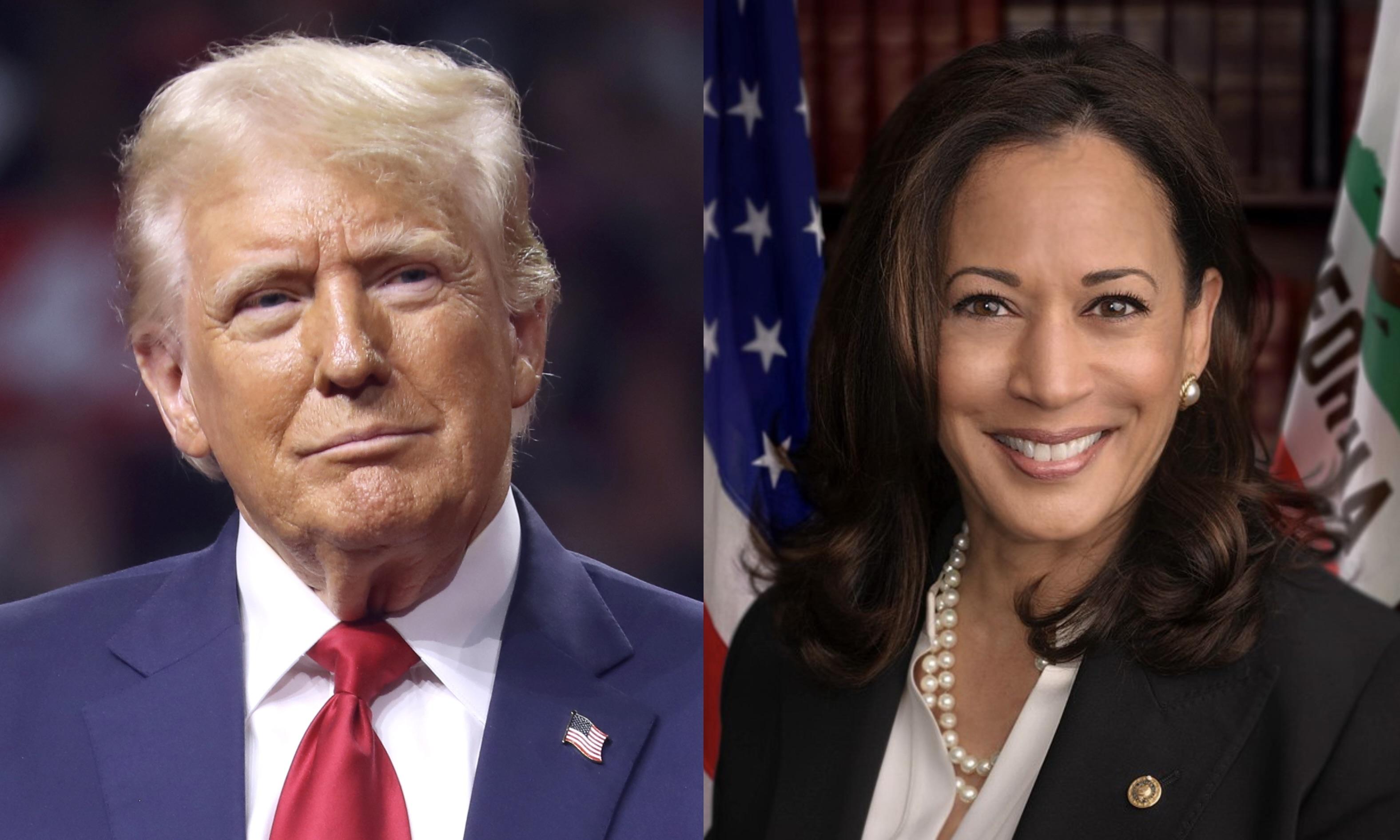
In a powerful move redefining voter eligibility, eight U.S. states passed citizen-only voting initiatives in the latest election cycle, sending a strong message on who can cast a ballot. These initiatives, approved by wide margins, explicitly restrict voting rights to U.S. citizens, effectively banning non-citizens from participating in any state or local elections.
The passage of these measures marks a turning point in the ongoing debate over voting rights and election integrity. Advocates argue that the initiatives reinforce the principle that voting is a fundamental right of citizenship, while critics claim the new laws create unnecessary exclusions and play into a divisive political narrative.
A Growing Movement for Citizenship-Based Voting
The citizen-only voting initiatives gained overwhelming support across various states, with backers emphasizing the importance of protecting the sanctity of U.S. elections. Proponents insist that voting rights should be reserved for those with an official stake in the nation's future—its citizens.
“The right to vote is one of the highest privileges of citizenship,” said William Mercer, a political analyst in Texas, one of the states that passed the measure. “By passing these initiatives, voters are signaling that they want to safeguard this right for U.S. citizens exclusively.”
States including Ohio, Alabama, and Colorado joined others in passing these measures with resounding public backing. Ohio’s ballot initiative, for example, passed with a decisive majority, illustrating the public’s appetite for more restrictive voting laws. The amendments now require proof of citizenship to vote, an adjustment that supporters believe will reinforce election integrity and prevent potential exploitation.
Critics Warn of Unintended Consequences
While supporters hailed the move as a common-sense approach to secure elections, critics argue that the citizen-only measures could lead to unintended consequences, including voter suppression. Some opponents contend that the push for citizen-only voting laws targets immigrant communities and spreads a “fear-driven narrative.”
“The right to vote has been central to democracy,” said Maria Torres, a spokesperson for a civil rights organization opposing the initiatives. “These new laws send a dangerous message and could discourage legal immigrant communities who are on the path to citizenship from engaging in local issues.”
Additionally, opponents point out that instances of non-citizen voting are exceedingly rare. They argue that these initiatives address a problem that doesn’t truly exist, and instead serve as political statements that could alienate certain demographics.
Future Implications for Voting Rights and Citizenship
The approval of citizen-only voting initiatives in multiple states highlights a new trend in election law that could expand across the country. Some believe this approach may inspire similar legislation at the federal level or in other states, sparking a national discussion on the rights and responsibilities tied to U.S. citizenship.
“The movement is gaining momentum,” said Michael Sullivan, a law professor specializing in electoral policies. “As more states follow suit, we might see this citizen-only voting requirement become a staple in election law nationwide.”
For now, the eight states’ new laws serve as a landmark decision that underscores a growing emphasis on citizenship within the U.S. electoral system. While the measure has stirred controversy, it undeniably reflects a larger societal shift towards reinforcing traditional voting qualifications.
Supporters maintain that the measures are a victory for those who see voting as an exclusive privilege of citizenship, while critics warn it could create a chilling effect for immigrant communities. Regardless of where one stands, the message from these states is clear: only U.S. citizens will be casting ballots in their elections from now on.













