


 SpaceX Prioritizes Moon Mission Before Mars as Starship Development Accelerates
  Palantir Stock Jumps After Strong Q4 Earnings Beat and Upbeat 2026 Revenue Forecast
  SpaceX Pushes for Early Stock Index Inclusion Ahead of Potential Record-Breaking IPO
  SpaceX Updates Starlink Privacy Policy to Allow AI Training as xAI Merger Talks and IPO Loom
  Tencent Shares Slide After WeChat Restricts YuanBao AI Promotional Links
  Elon Musk’s SpaceX Acquires xAI in Historic Deal Uniting Space and Artificial Intelligence
  Nvidia Confirms Major OpenAI Investment Amid AI Funding Race
  Amazon Stock Rebounds After Earnings as $200B Capex Plan Sparks AI Spending Debate
  Nvidia, ByteDance, and the U.S.-China AI Chip Standoff Over H200 Exports
  Nvidia CEO Jensen Huang Says AI Investment Boom Is Just Beginning as NVDA Shares Surge
  Sony Q3 Profit Jumps on Gaming and Image Sensors, Full-Year Outlook Raised
  Baidu Approves $5 Billion Share Buyback and Plans First-Ever Dividend in 2026
  Global PC Makers Eye Chinese Memory Chip Suppliers Amid Ongoing Supply Crunch
  Nvidia Nears $20 Billion OpenAI Investment as AI Funding Race Intensifies
  Sam Altman Reaffirms OpenAI’s Long-Term Commitment to NVIDIA Amid Chip Report


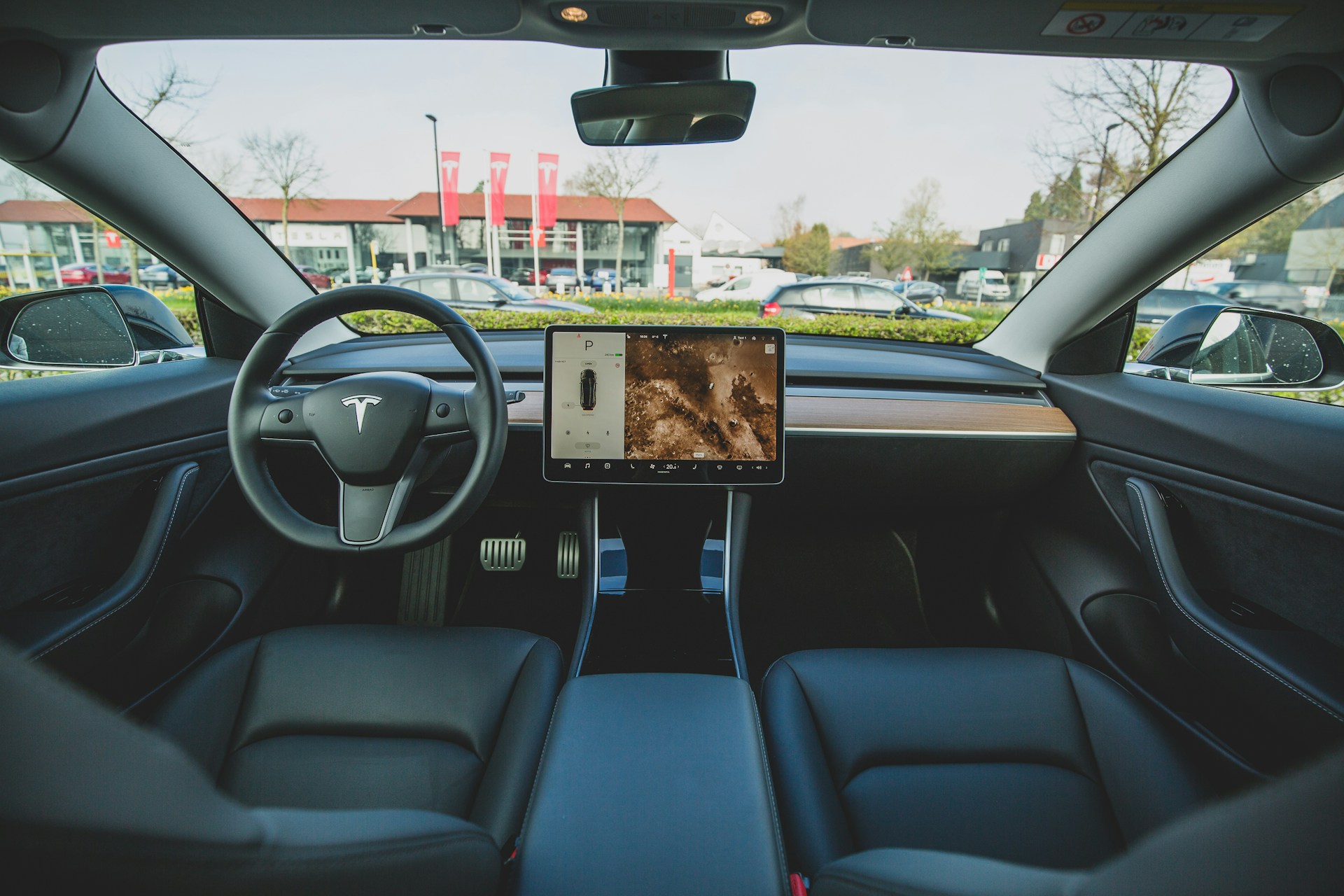
In a bold move, Tesla CEO Elon Musk has mandated "short test rides" featuring the Full Self-Driving software for new customers, aiming to showcase the technology's capabilities amidst widespread public skepticism.
Elon Musk's Directive for Mandatory FSD Test Drives Aims to Enhance Customer Trust and Experience
According to Business Insider, Musk sent an early morning email to employees stating that it was "mandatory" to install and activate the FSD software on the vehicle and take a test drive.
"Almost no one actually realizes how well (supervised) FSD actually works," Musk wrote. "I know this will slow down the delivery process, but it is nonetheless a hard requirement."
Musk later sent a company-wide follow-up email instructing employees to provide customer demonstrations once the vehicles had been returned from service centers.
"This is very important," Musk wrote in the follow-up email.
A Tesla spokesperson did not immediately return a request for comment.
All current Tesla models include the company's Autopilot driver-assist program. Tesla owners can also purchase the company's Full Self-Driving beta feature for $12,000 or as a $199 monthly subscription. The beta feature allows the vehicle to automatically switch lanes, enter and exit highways, recognize stop signs and traffic lights, and park. Both programs require a licensed driver to monitor the system constantly, and Tesla's AI system collects driver data to improve the system as drivers use it.
Tesla regularly releases new versions of FSD via over-the-air updates. Musk announced on X that the most recent version, V12.3.1, will be available this month.
"Three significant improvements to FSD will roll out roughly every two weeks." Musk wrote on X earlier in March. They should be shining bright by late April or early May."
Tesla has faced increased regulatory scrutiny in recent years for its self-driving software and marketing of the services.
Despite Advances in Autonomous Driving Technology, Public Trust Remains Elusive
Entrepreneurs like Tesla CEO Elon Musk have claimed that self-driving cars will render traditional vehicles obsolete, but most Americans are skeptical.
According to a recent survey, three out of every four Americans feel unsafe driving or riding in a self-driving car.
The full self-driving software beta was first made available to select Tesla owners in 2020, and it is now available to anyone who pays for it on request. According to Tesla, it currently installs it in approximately 400,000 vehicles in the United States.
FSD is not self-driving, despite its name. The technology allows Tesla cars to automatically change lanes, enter and exit highways, recognize stop signs and traffic lights, and park. Because it requires a licensed human driver to take control at any time, industry standards classify it as Level 2 (of 5).
The software costs $15,000 upfront or a monthly fee of $99 or $199, depending on whether you're transitioning from Basic Autopilot to FSD or Enhanced Autopilot to FSD.
Photo: Bram Van Oost/Unsplash













