


 Bank of Japan Eyes Further Rate Hikes Amid Middle East Tensions and Inflation Pressures
  TSMC Japan's Second Fab to Produce 3nm Chips by 2028
  UAE's Largest Natural Gas Facility Suspended After Attack-Triggered Fire
  CTOC Adds 3,000 Doctors, 500 Hospitals Ahead of Liquidity Push
  RBC Capital: European Medtech Firms Show Minimal Middle East and Energy Risk Exposure
  Japan's Services Sector Growth Slows in March Amid Rising Middle East Tensions
  Strait of Hormuz Crisis Fuels Oil Surge as Asian Markets Brace for Impact
  Vietnam GDP Growth Slows in Q1 2026 Amid Middle East Oil Crisis
  U.S. Job Market Braces for Slow Recovery Amid Middle East Tensions and Economic Uncertainty
  UPS and Teamsters Reach Agreement to Limit Driver Severance Program
  Tesla Q1 2026 Deliveries Miss Estimates as AI Strategy Takes Center Stage
  OpenAI Executive Shake-Up Ahead of Anticipated 2026 IPO
  Morgan Stanley: Fed Rate Cuts Still on Track Despite Oil-Driven Inflation
  Paramount Skydance Secures $24B from Gulf Sovereign Wealth Funds for Warner Bros. Discovery Takeover
  SpaceX Eyes Historic IPO at $1.75 Trillion Valuation
  Trump Threatens Escalation Against Iran, Warns of Infrastructure Strikes
  MATCH Act Targets ASML and Chinese Chipmakers in New U.S. Export Crackdown


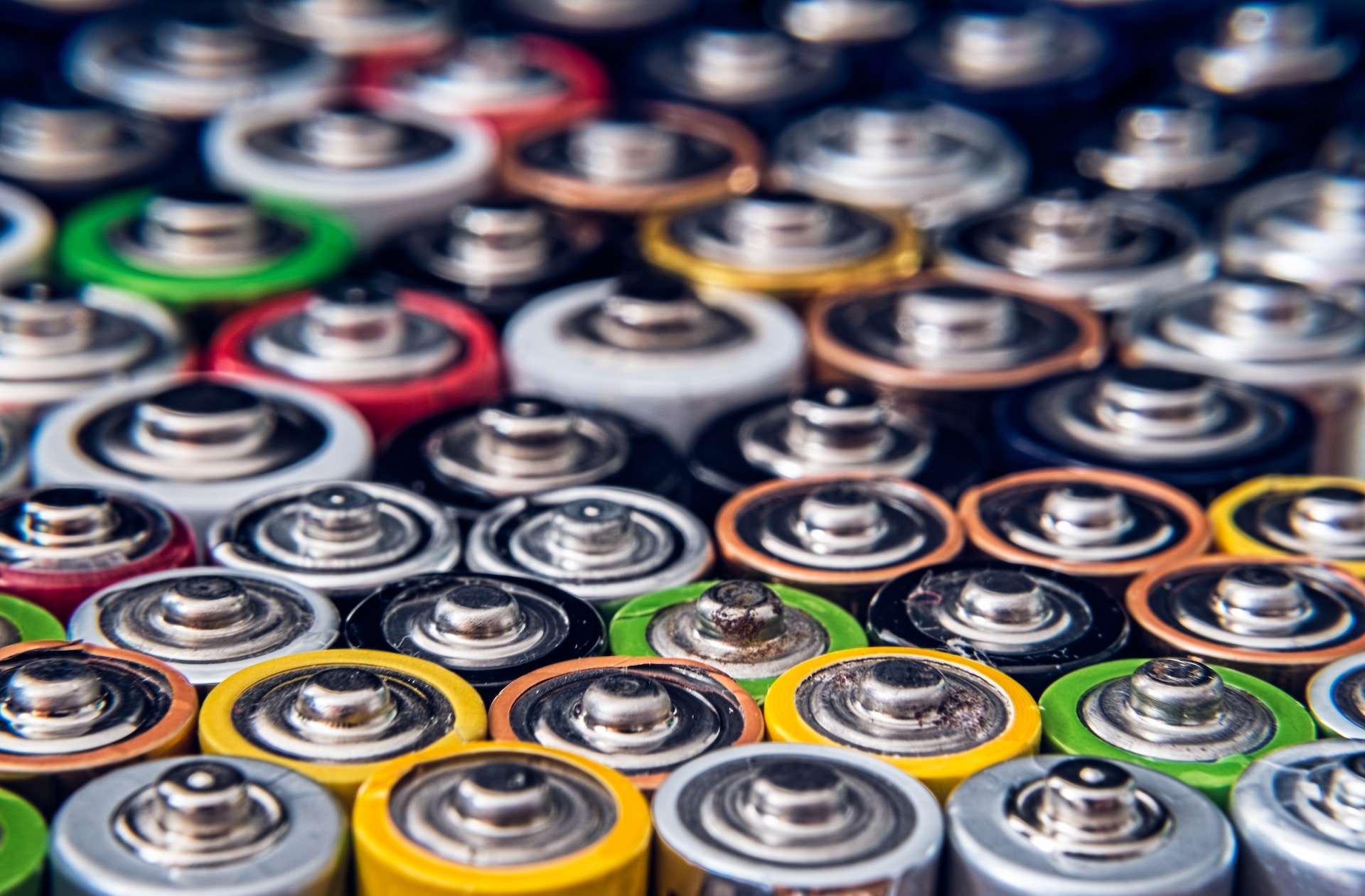
Walmart and Energizer Holdings Inc. were sued by both retailers and shoppers for suspicion of collusion. They have reportedly proposed three antitrust class action suits after accusing the companies of being in cahoots to raise the prices of disposable batteries.
According to Reuters, the complaints against Walmart and Energizer were filed on Friday, April 28. It was stated in the documents that the world’s largest battery maker agreed "under pressure from Walmart" to increase battery prices for wholesale transactions with other retailers.
This scheme allegedly started sometime in 2018, and Energizer also required the retailers not to sell batteries for prices lower than Walmart’s. If they charge less than the Arkansas-headquartered retailer chain firm, the rival retailers risked being cut off by Energizer or given higher wholesale prices.
In the complaint, it was further stated that the setup resulted in higher prices of batteries - from Energizer and Duracell - which are the dominant firms in the disposable battery industry with a combined total of 85% market share. The higher prices are said to be unexplainable amid inflation and changes in demand.
Retailers and consumers are also seeking injunctions to stop Energizer from binding battery sales to pricing. They want Energizer and Walmart to dissolve the effects of their anticompetitive practices and behaviors.
The complainants also said that the battery maker’s market share in the United States also rose to more than 50% from its 40% percentage in 2018. Moreover, they mentioned that a sales representative of Energizer confirmed they had made changes to their pricing after Walmart requested it.
"She admitted that Energizer had adjusted its pricing policies at Walmart's request, telling him, 'This is 1000% about Walmart and wanting the best price,'" they said in the filing.
Meanwhile, the antitrust cases against Energizer and Walmart that were filed in the U.S. District Court, Northern District of California, are Portable Power Inc v Energizer Holdings Inc et al, No. 23-02091; Copeland et al v Energizer Holdings Inc et al, No. 23-02087; and Schuman et al v Energizer Holdings Inc et al, No. 23-02093.
Photo by: Roberto Sorin/Unsplash







