


 Yen Slides as Japan Election Boosts Fiscal Stimulus Expectations
  Japan Economy Poised for Q4 2025 Growth as Investment and Consumption Hold Firm
  Gold and Silver Prices Slide as Dollar Strength and Easing Tensions Weigh on Metals
  Global Markets Slide as AI, Crypto, and Precious Metals Face Heightened Volatility
  Russian Stocks End Mixed as MOEX Index Closes Flat Amid Commodity Strength
  Bank of Japan Signals Readiness for Near-Term Rate Hike as Inflation Nears Target
  Trump Signs Executive Order Threatening 25% Tariffs on Countries Trading With Iran
  RBI Holds Repo Rate at 5.25% as India’s Growth Outlook Strengthens After U.S. Trade Deal
  South Africa Eyes ECB Repo Lines as Inflation Eases and Rate Cuts Loom
  Indian Refiners Scale Back Russian Oil Imports as U.S.-India Trade Deal Advances
  India–U.S. Interim Trade Pact Cuts Auto Tariffs but Leaves Tesla Out
  Trump’s Inflation Claims Clash With Voters’ Cost-of-Living Reality
  Asian Currencies Stay Rangebound as Yen Firms on Intervention Talk
  Australian Household Spending Dips in December as RBA Tightens Policy
  China Extends Gold Buying Streak as Reserves Surge Despite Volatile Prices
  Trump Lifts 25% Tariff on Indian Goods in Strategic U.S.–India Trade and Energy Deal


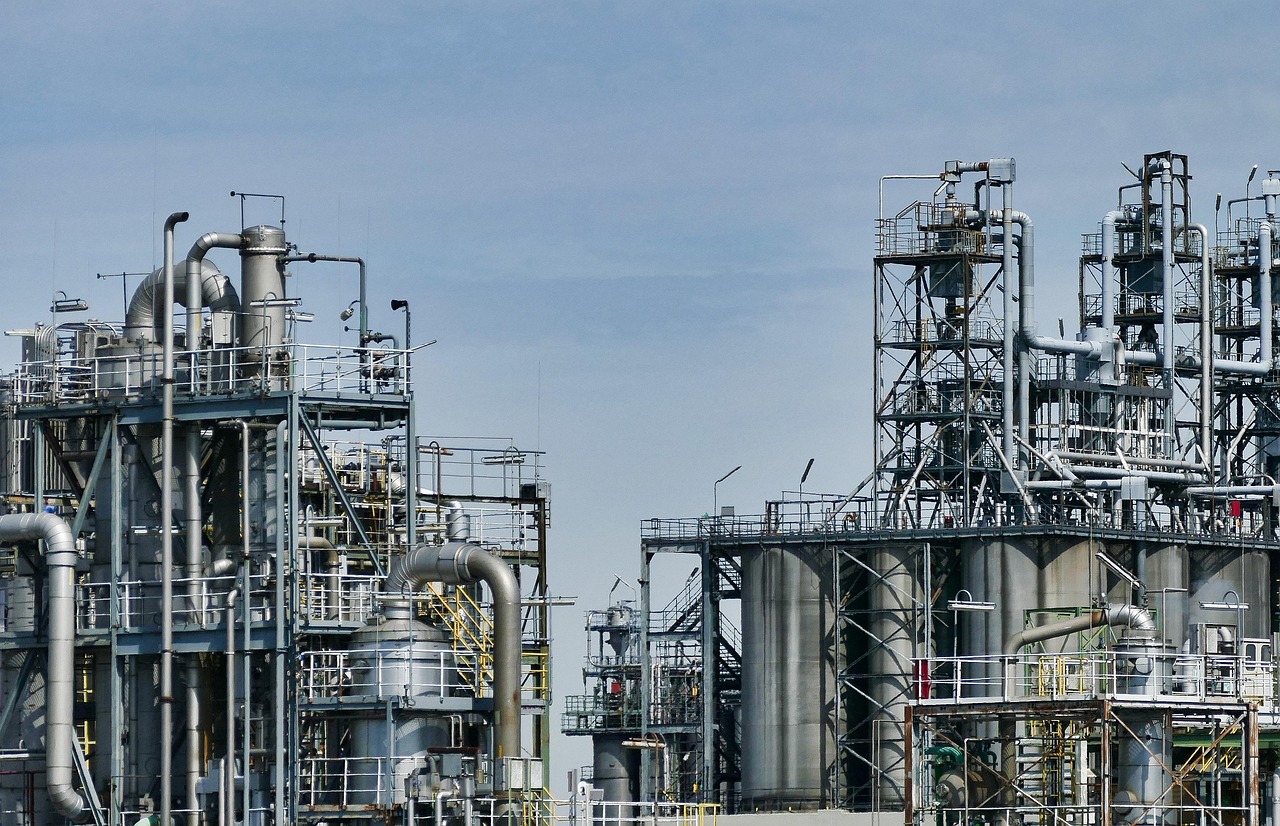
Global oil prices opened the week lower, sliding more than 1% on Monday as investor concerns over a potential conflict in the Middle East eased following diplomatic progress between the United States and Iran. The decline reflects reduced geopolitical risk premiums after both countries concluded a round of nuclear talks last week, signaling a possible path toward de-escalation.
Brent crude futures dropped by 89 cents, or 1.31%, to trade at $67.16 per barrel by 2309 GMT. Meanwhile, U.S. West Texas Intermediate crude also saw losses, falling 79 cents, or 1.24%, to settle at $62.76 per barrel. The pullback came after recent gains driven by fears that rising tensions could disrupt oil supplies in the Middle East, a region that plays a critical role in global energy markets.
Market sentiment shifted after Iran’s top diplomat described the U.S.-Iran nuclear discussions, mediated by Oman, as getting off to a “good start.” He added that negotiations are set to continue, a statement that helped calm fears that stalled talks could push the region closer to military confrontation. For oil traders, the prospect of ongoing dialogue reduced immediate worries about supply disruptions, sanctions escalation, or retaliatory actions that could affect crude exports.
Oil prices are highly sensitive to geopolitical developments, particularly involving Iran, a major oil producer whose exports have been constrained by U.S. sanctions. Any progress toward a nuclear agreement could eventually lead to increased Iranian oil supply entering the global market, adding downward pressure on prices. At the same time, easing tensions between Washington and Tehran lowers the risk of conflict in strategic shipping routes such as the Strait of Hormuz.
Despite the current dip, analysts note that oil markets remain volatile, influenced by a mix of geopolitical risks, global demand trends, and production decisions by major exporters. Investors will be closely watching future developments in the U.S.-Iran talks, as well as broader Middle East dynamics, for clues on the next direction of crude oil prices.













