


 US DOT Ends Airline Privacy Review Without Enforcement
  Hegseth Praises USS Abraham Lincoln Crew After Record Iran War Deployment
  OpenAI, Anthropic Back Mandatory AI Breach Reporting in Australia
  San Francisco Halts New Data Center Construction With 45-Day Moratorium
  US Conducts Non-Nuclear Explosion Test to Boost Nuclear Detection
  France to Release 10 Million Barrels of Diesel to Ease Fuel Prices
  Israel Tightens Pilot Security After Flydubai Incident
  UK Warned Over Growing Reliance on US Cloud Providers
  Trump Weighs FBI Probe Into Nolan Wells’ Death
  Florida Seeks Tougher Meta Rules to Protect Young Users
  Marco Rubio Warns Russia-Ukraine War Could Spark Wider Conflict
  US-Led Coalition Targets Global Factory Overcapacity
  Saudi Airport Attacks Kill Three as Yemen Fighting Escalates
  ICC Rules Duterte Fit to Stand Trial in Drug War Case
  Pentagon Orders Iran Strike Preparations as Trump Weighs Military Action
  Trump Rallies in Texas as Republicans Face Tight Midterm Races
  Crypto Rallies as CLARITY Act Failure Opens Door to Faster SEC Rules


 Add as a preferred source on Google
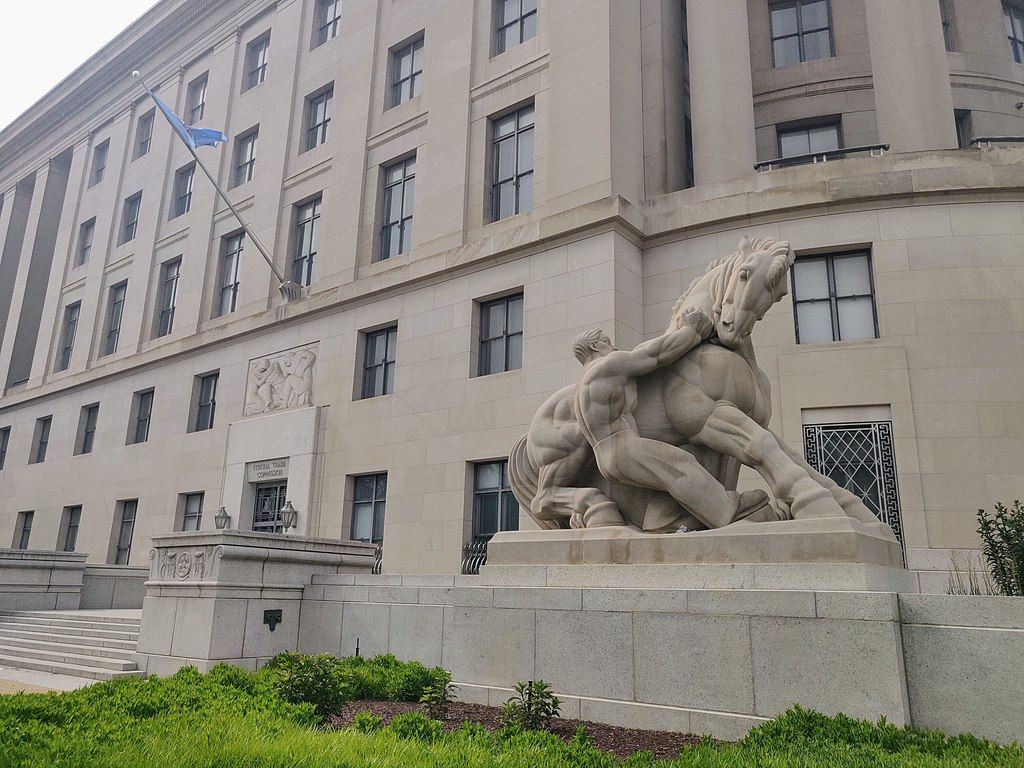
The U.S. Federal Trade Commission (FTC) announced it will suspend key consumer protection services and merger reviews during the ongoing government shutdown. The agency, responsible for enforcing antitrust and consumer protection laws, said it will not process fraud complaints, block unwanted spam calls, or maintain its national Do Not Call Registry while operations remain limited.
This shutdown, which has forced hundreds of thousands of federal employees into furlough, mirrors earlier shutdown strategies under both the Trump and Biden administrations. However, under President Joe Biden, the FTC went further by completely stopping early merger clearance approvals, while under the current plan, businesses may still file transactions but will face delays due to reduced resources.
The FTC employs approximately 1,180 full-time staff, but only about 400 are expected to continue working without pay under exceptional circumstances, such as meeting urgent court deadlines. This reduction in workforce is likely to slow antitrust investigations and extend review times for mergers and acquisitions. Legal experts warn that this could disrupt Wall Street dealmaking, as businesses rely on timely clearance to proceed with transactions.
Aleksandr Livshits, an antitrust partner at Fried Frank, highlighted the uncertainty this shutdown brings for corporate mergers, noting that “it’s more helpful to have a fully functioning government, there’s more predictability.”
While the FTC’s core mission of protecting consumers and ensuring fair competition remains critical, the shutdown restricts its ability to deliver essential services. This lack of operational capacity means consumers have fewer protections against fraud and deceptive practices, while businesses face uncertainty in regulatory approvals.
The shutdown underscores the broader economic risks of government gridlock, not only for consumers but also for corporations navigating antitrust law and compliance. Until funding is restored, both individuals and businesses must brace for significant disruptions in FTC oversight and consumer protection mechanisms.







