


 South Africa Eyes ECB Repo Lines as Inflation Eases and Rate Cuts Loom
  Asian Stocks Slip as Tech Rout Deepens, Japan Steadies Ahead of Election
  Oil Prices Slide on US-Iran Talks, Dollar Strength and Profit-Taking Pressure
  Gold Prices Slide Below $5,000 as Strong Dollar and Central Bank Outlook Weigh on Metals
  South Korea’s Weak Won Struggles as Retail Investors Pour Money Into U.S. Stocks
  Vietnam’s Trade Surplus With US Jumps as Exports Surge and China Imports Hit Record
  Singapore Budget 2026 Set for Fiscal Prudence as Growth Remains Resilient
  Dow Hits 50,000 as U.S. Stocks Stage Strong Rebound Amid AI Volatility
  U.S. Stock Futures Slide as Tech Rout Deepens on Amazon Capex Shock
  China Extends Gold Buying Streak as Reserves Surge Despite Volatile Prices
  Trump Endorses Japan’s Sanae Takaichi Ahead of Crucial Election Amid Market and China Tensions
  South Korea Assures U.S. on Trade Deal Commitments Amid Tariff Concerns
  RBI Holds Repo Rate at 5.25% as India’s Growth Outlook Strengthens After U.S. Trade Deal
  Russian Stocks End Mixed as MOEX Index Closes Flat Amid Commodity Strength
  Dollar Near Two-Week High as Stock Rout, AI Concerns and Global Events Drive Market Volatility
  Thailand Inflation Remains Negative for 10th Straight Month in January
  Fed Governor Lisa Cook Warns Inflation Risks Remain as Rates Stay Steady


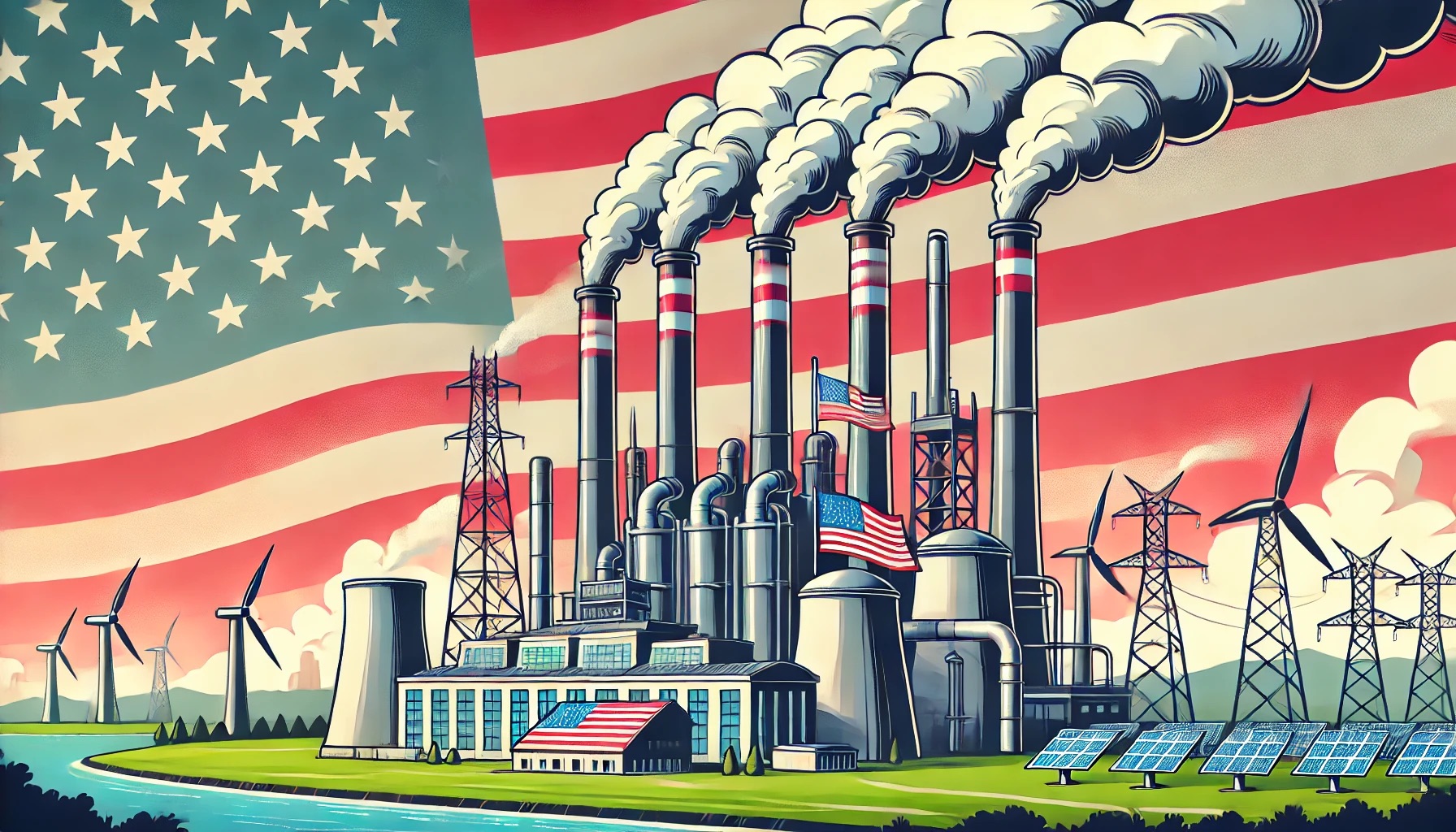
Fossil fuels remain the backbone of U.S. energy, but renewables are steadily transforming the landscape. Despite entrenched reliance on coal and natural gas, wind and solar continue to gain momentum, driven by innovation, policy shifts, and a push for cleaner energy solutions.
Fossil Fuels Remain the Backbone of U.S. Energy
Even while renewable energy sources are slowly but surely gaining ground, fossil fuels are still the U.S.'s primary energy source.
The U.S. energy system is still highly dependent on coal, natural gas, and petroleum, according to analysts at Wells Fargo, even if renewable energy sources like wind and solar are being more widely used.
While the shift toward renewables has been slow, it is clear that it is happening. The energy density, transportability, and established infrastructure of fossil fuels are important reasons for their resilience.
In a rapidly expanding economy that consistently requires more energy, these characteristics have solidified their supremacy.
Renewables Face Significant Transition Challenges
According to Investing.com, renewable energy sources are essential for the transition away from fossil fuels since they can fulfill both the present need for energy and the future demand caused by economic and demographic expansion.
Variability in output and storage limits are two of the fundamental issues of renewable energy that further complicate this transition. The transition to cleaner energy will take decades, not years, to occur due to these technological hurdles and economic realities.
The larger social aspects that link energy usage to better quality of life are also brought to light by Wells Fargo. Their research indicates that there has been a link between higher energy use and longer life expectancy rates globally.
The Road to a Green Energy Future
As a result of the possible effects on living standards, this association highlights the difficulties of promoting energy consumption reductions as an independent climate solution.
A green energy future is on the horizon, but getting there will be no picnic. Renewable energy sources are becoming more prominent in the energy mix as a result of rising public awareness, favorable policies, and technological advancements.
Despite our deep dependence on fossil fuels, Wells Fargo analysts predict that this expansion will persist, albeit at a slower pace. The upcoming decades will play a crucial role in defining how fast and wide this change will be.













