


 Jack Lang Resigns as Head of Arab World Institute Amid Epstein Controversy
  China Extends Gold Buying Streak as Reserves Surge Despite Volatile Prices
  Gold and Silver Prices Rebound After Volatile Week Triggered by Fed Nomination
  India–U.S. Interim Trade Pact Cuts Auto Tariffs but Leaves Tesla Out
  Nighttime Shelling Causes Serious Damage in Russia’s Belgorod Region Near Ukraine Border
  Trump Lifts 25% Tariff on Indian Goods in Strategic U.S.–India Trade and Energy Deal
  China Warns US Arms Sales to Taiwan Could Disrupt Trump’s Planned Visit
  Norway Opens Corruption Probe Into Former PM and Nobel Committee Chair Thorbjoern Jagland Over Epstein Links
  Dow Hits 50,000 as U.S. Stocks Stage Strong Rebound Amid AI Volatility
  Ohio Man Indicted for Alleged Threat Against Vice President JD Vance, Faces Additional Federal Charges
  South Korea Assures U.S. on Trade Deal Commitments Amid Tariff Concerns
  Dollar Near Two-Week High as Stock Rout, AI Concerns and Global Events Drive Market Volatility
  Trump Signs Executive Order Threatening 25% Tariffs on Countries Trading With Iran
  US Pushes Ukraine-Russia Peace Talks Before Summer Amid Escalating Attacks
  Trump Endorses Japan’s Sanae Takaichi Ahead of Crucial Election Amid Market and China Tensions
  Fed Governor Lisa Cook Warns Inflation Risks Remain as Rates Stay Steady
  Iran–U.S. Nuclear Talks in Oman Face Major Hurdles Amid Rising Regional Tensions


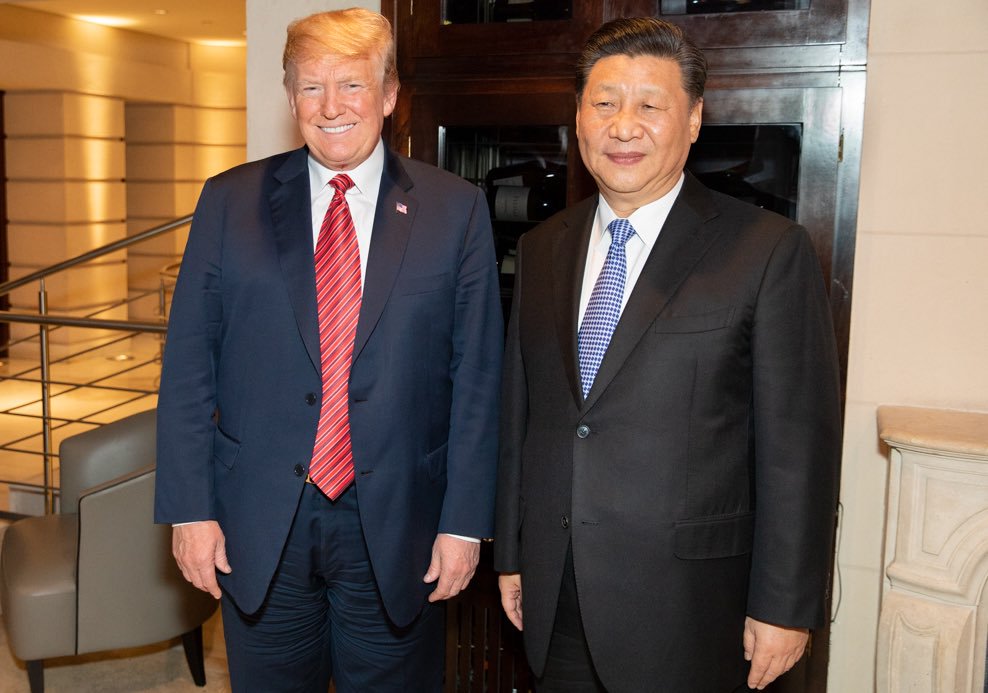
China has strongly condemned new U.S. tariffs announced by President Donald Trump, calling for their immediate cancellation and vowing to take countermeasures to protect its interests. The Chinese Commerce Ministry criticized the move, stating it undermines years of multilateral trade progress and ignores how the U.S. has long benefited from global trade.
Trump declared a 34% tariff on Chinese goods, adding to an earlier 20%, raising total levies to 54%—nearing his 60% campaign promise. Starting Saturday, Chinese exporters will face a baseline 10% tariff, with the remaining increase set for April 9. The U.S. also closed a “de minimis” loophole that allowed low-value Chinese packages to enter duty-free.
The administration ordered a review of China’s compliance with the 2020 Phase 1 trade deal, which required $200 billion in additional U.S. purchases over two years. China fell short due to the COVID-19 pandemic, buying $164 billion worth of goods in 2023, up from $153 billion in 2017.
Experts say Trump’s global tariffs—ranging from 24% to 46% on countries like Vietnam, India, and Mexico—may disrupt supply chains and diminish the cost advantage of shifting production from China. Despite the pressure, analysts argue that the Chinese economy is resilient, with Beijing prepared to stimulate domestic demand and boost trade with Europe, Southeast Asia, and Africa.
Chinese producers fear shrinking profit margins and deflationary risks as they compete in alternative markets. Still, China’s government remains firm on its 5% GDP target and has left room for further stimulus and retaliation. A potential June meeting between Trump and Xi Jinping may decide the future course of this escalating trade standoff.
Both leaders are navigating a high-stakes game of leverage, with neither willing to appear weak.













