


 KiwiSaver shakeup: private asset investment has risks that could outweigh the rewards
  Yaskawa Electric Shares Slide as Weak Profit Overshadows Strong AI Demand
  Fed Reaffirms 2% Inflation Goal, Vows Forceful Action to Anchor Price Expectations
  South Korea’s KOSPI Triggers Trading Curb as AI Chip Stock Selloff Deepens
  We combed through old botanical surveys to track how plants on Australia’s islands are changing
  Asia Stocks Slip as Iran-Hormuz Tensions Lift Oil Prices, Dollar and Bond Yields
  Tempus AI Stock Soars 18% After Pelosi's Investment Disclosure
  Singapore GDP Grows 5.7% in Q2 2026 as AI-Driven Manufacturing Boosts Economy
  Wall Street Rebounds as Investors Eye Tariff Uncertainty, Jobs Report
  Why the Middle East is being left behind by global climate finance plans
  Dollar Holds Steady Ahead of U.S. CPI as Oil Surge, Middle East Tensions Keep Markets on Edge
  How the UK’s rollback of banking regulations could risk another financial crisis
  SK Hynix Shares Drop After Strong Nasdaq Debut Despite $26 Billion ADR Listing
  Australia Consumer Sentiment Rises in July as Fuel Price Relief Lifts Confidence
  European Stocks Rally on Chinese Growth and Mining Merger Speculation
  Apple Downgraded by Jefferies Amid Weak iPhone Sales and AI Concerns


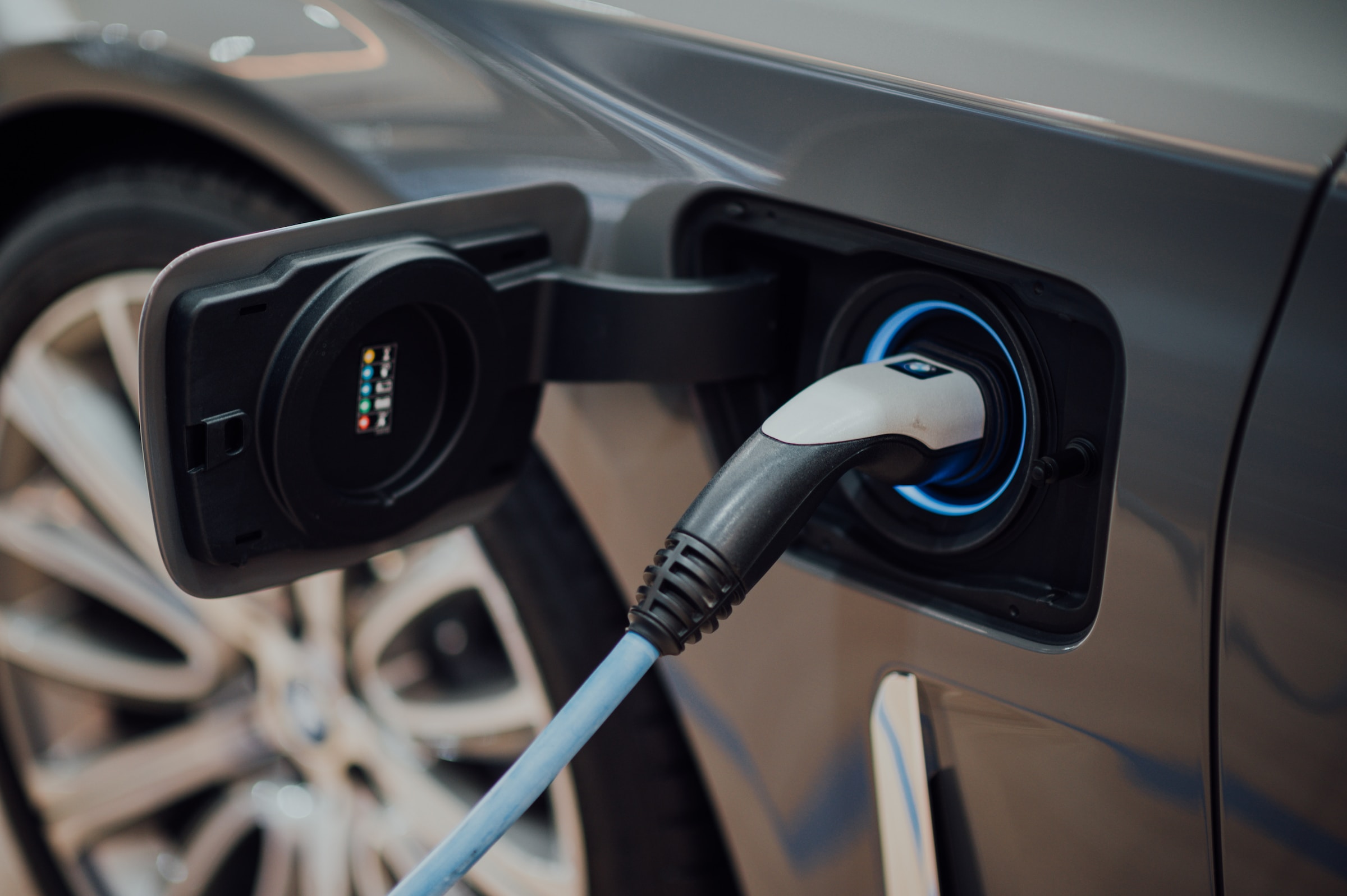
Seven leading automakers, including General Motors, BMW, and Honda, are joining forces to double North America's fast-charging infrastructure for electric vehicles (EVs), seeking to rival Tesla's prominent network. This transformative collaboration will feature an estimated 30,000 high-power charging plugs, intensifying the shift towards electrified mobility.
General Motors, BMW, Honda, Hyundai, Kia, Mercedes, and Stellantis have committed to a multibillion-dollar investment in developing "high power" charging stations. These stations will feature 30,000 plugs strategically located in urban areas and along travel corridors.
The primary objective of this ambitious undertaking is to accelerate the adoption of electric vehicles while alleviating concerns regarding long-distance travel. Automakers prioritize establishing a reliable and robust high-powered charging network to cultivate confidence in electric vehicle ownership.
Although the precise financial details and the number of stations remain undisclosed, the joint venture formed by the seven founding automakers embodies a commitment to shared success. Additionally, while the initial US chargers are projected to be operational by next summer, the timeframe for completing the entire network has not been disclosed.
This visionary network will offer a comprehensive and accessible infrastructure comprising high-powered charging stations distributed across North America. The United States and Canada house roughly 8,700 direct-current fast-charging stations equipped with nearly 36,000 charging plugs.
The significance of fast chargers lies in their ability to deliver 80% battery capacity within 20 minutes to one hour, providing a comparable experience to refueling with gasoline. In comparison, 240-volt "Level 2" chargers necessitate several hours to achieve a full battery charge.
Envisioned with 10 to 20 charging plugs per station, the network aims to establish a minimum of 1,500 stations and a maximum of approximately 3,000. For perspective, Tesla's existing network currently consists of 2,050 stations and over 22,000 plugs in the United States and Canada.
Importantly, the network created by these seven automakers will be publicly available to all electric vehicle owners. The charging stations will feature connectors compatible with both Tesla's North American Charging Standard plugs and the Combined Charging System plugs commonly used by other automakers.
This united effort reflects a noteworthy stride towards the future of electric mobility, solidifying North America's position as a leader in accessible and reliable electric vehicle charging infrastructure.
Photo: CHUTTERSNAP/Unsplash







