


 Trump Allows Commercial Fishing in Protected New England Waters
  Trump Lifts 25% Tariff on Indian Goods in Strategic U.S.–India Trade and Energy Deal
  Federal Judge Restores Funding for Gateway Rail Tunnel Project
  Japan Election 2026: Sanae Takaichi Poised for Landslide Win Despite Record Snowfall
  Nighttime Shelling Causes Serious Damage in Russia’s Belgorod Region Near Ukraine Border
  New York Legalizes Medical Aid in Dying for Terminally Ill Patients
  US Pushes Ukraine-Russia Peace Talks Before Summer Amid Escalating Attacks
  U.S. to Begin Paying UN Dues as Financial Crisis Spurs Push for Reforms
  China Warns US Arms Sales to Taiwan Could Disrupt Trump’s Planned Visit
  South Korea Assures U.S. on Trade Deal Commitments Amid Tariff Concerns
  Norway Opens Corruption Probe Into Former PM and Nobel Committee Chair Thorbjoern Jagland Over Epstein Links
  U.S. Lawmakers to Review Unredacted Jeffrey Epstein DOJ Files Starting Monday
  Trump Says “Very Good Talks” Underway on Russia-Ukraine War as Peace Efforts Continue
  Pentagon Ends Military Education Programs With Harvard University
  Jack Lang Resigns as Head of Arab World Institute Amid Epstein Controversy
  Netanyahu to Meet Trump in Washington as Iran Nuclear Talks Intensify
  Trump Signs “America First Arms Transfer Strategy” to Prioritize U.S. Weapons Sales


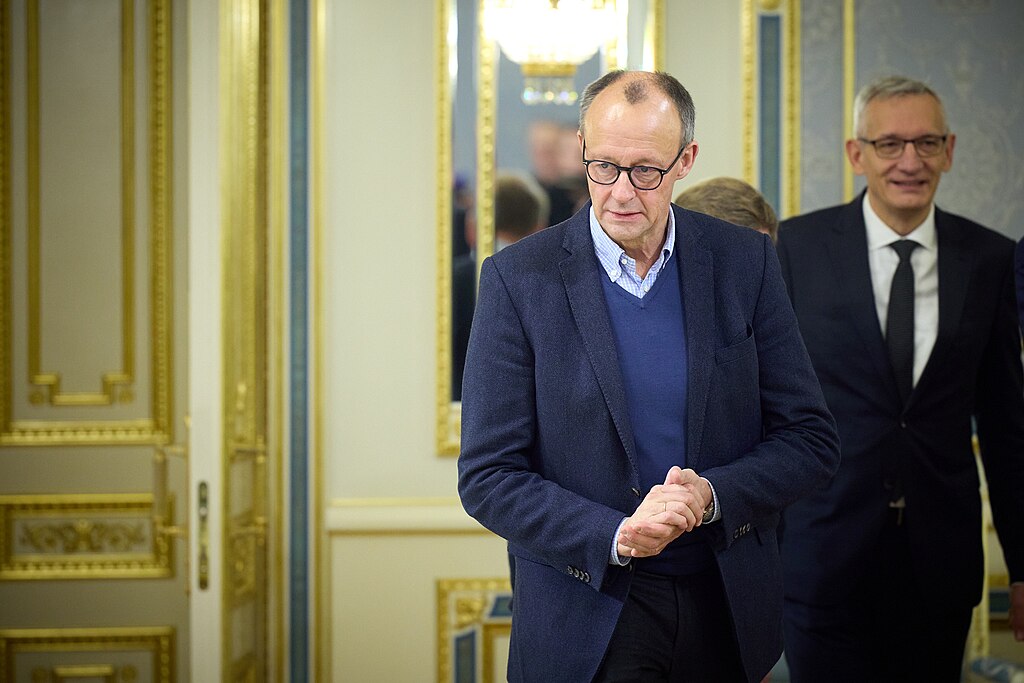
Germans head to the polls in a crucial national election, with Friedrich Merz’s conservative CDU/CSU bloc expected to regain power. The far-right Alternative for Germany (AfD) is also projected to achieve its best-ever result, signaling a political shift to the right.
Despite leading in polls, the CDU/CSU is unlikely to secure a majority, making coalition talks inevitable. However, negotiations may be challenging after a campaign dominated by sharp debates on migration and the AfD’s rising influence. Unpopular Chancellor Olaf Scholz could remain in a caretaker role for months, delaying essential economic policies amid Germany’s ongoing economic struggles.
Germany, Europe’s largest economy, faces significant challenges, including slow growth, declining living standards, and concerns over migration. Public sentiment has shifted dramatically since the "Refugees Welcome" movement of 2015, with many now supporting stricter immigration controls. Economic uncertainty has further fueled dissatisfaction, with pessimism about living standards at its highest since the 2008 financial crisis.
The AfD, which has capitalized on anti-migrant sentiment, is poised to finish second for the first time in a national election. While mainstream parties refuse to collaborate with the AfD, analysts suggest its growing support could set the stage for future political breakthroughs.
Merz’s likely path to power involves forming a coalition, possibly with the SPD in another "grand coalition." However, the fragmented political landscape may necessitate a three-way alliance, complicating governance. The outcome will shape Germany’s domestic policies and influence European leadership at a critical time.
As voters seek stability, Germany’s next government will need to navigate economic recovery, migration policy, and international relations, all while preventing the far-right from gaining further ground.













