


 Wall Street Closes Mixed as Tech Stocks Rally Despite U.S.–Iran Escalation and Oil Price Surge
  Bank of Japan Signals Further Interest Rate Hikes as Inflation Trends Toward 2% Target
  ASX CEO Exit Signals Turbulent Transition Amid Lawsuit and Regulatory Scrutiny
  South Korea Manufacturing PMI Rises for Third Month on Strong Semiconductor Demand
  KOSPI Plunges Over 8% as U.S.-Iran War Sparks Global Risk Aversion and Profit-Taking
  Oil Prices Surge After U.S.-Israel Strikes on Iran, Raising Strait of Hormuz Supply Fears
  China Factory Activity Surges to Five-Year High as Demand Boosts Manufacturing PMI
  Japan Signals Possible Currency Intervention as Yen Slides to 157.3 Amid Middle East Tensions
  Asian Markets Slide as Middle East Conflict Sparks Oil Price Surge and Inflation Fears
  Trump Offers U.S. Insurance and Naval Escort for Tankers as Strait of Hormuz Crisis Disrupts Global Oil Trade
  RBA Signals Possible March Rate Hike as Energy Risks Threaten Inflation Outlook
  Australia’s Economy Accelerates in Q4 2025 as Household Spending and Government Investment Rise
  Global Markets React as Dollar Surges, Swiss Franc Rallies After U.S.-Israel Strike on Iran
  Dollar Hits Three-Month High as Middle East Conflict Drives Energy Prices and Market Volatility
  Japan Manufacturing PMI Jumps to Four-Year High as Global Demand Strengthens
  Oil Prices Surge to 2025 High as U.S.-Israel Conflict With Iran Threatens Global Energy Supply
  Wall Street Futures Tumble as U.S.-Iran Conflict Escalates and Oil Prices Surge


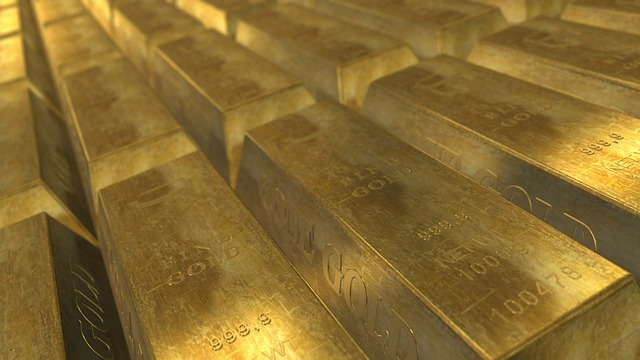
Gold prices declined during Asian trading on Thursday, pulling back from three consecutive record-high sessions as easing geopolitical tensions and reassurance over U.S. monetary policy reduced safe-haven demand. Spot gold fell 0.8% to $4,588.55 per ounce, while U.S. gold futures edged down 0.3% to $4,594.10 by early Asian hours. The pullback came after gold reached an all-time high of $4,642.72 per ounce in the previous session, driven by heightened global uncertainty.
The broader precious metals market saw steeper losses, with silver prices plunging nearly 6% to $87.74 per ounce and platinum falling 4% to $2,309.52. The sharp declines reflected profit-taking after a strong rally that pushed prices well above key technical levels, prompting traders to lock in gains.
Gold’s recent surge had been fueled by fears that escalating unrest in Iran could lead to U.S. military involvement and destabilize the Middle East, alongside concerns about political pressure on the U.S. Federal Reserve. However, sentiment shifted after U.S. President Donald Trump signaled a softer stance on Iran, stating that he had been assured Iranian authorities would curb violence against protesters and that there were no plans for large-scale executions. These comments reduced expectations of an immediate U.S. response, easing geopolitical risk premiums that had supported gold prices.
Additional pressure came after Trump sought to calm markets regarding the Federal Reserve. In comments to Reuters, he said he had no intention of firing Fed Chair Jerome Powell, despite ongoing scrutiny, helping ease investor concerns about the central bank’s independence and future policy direction.
Despite the decline, gold remains supported by expectations of U.S. interest rate cuts later this year, ongoing geopolitical risks, and strong central bank demand. Lower interest rates typically boost gold prices by reducing the opportunity cost of holding the non-yielding asset, suggesting that bullion could remain resilient even after the latest pullback.













