


 Apple Sues OpenAI, Former Employees Over Alleged Trade Secret Theft
  Trump Administration Launches AI Cybersecurity Partnership to Protect Critical Infrastructure
  SK Hynix Stock Soars as AI Memory Demand Outlook Fuels Chip Rally
  OpenAI Executive Fidji Simo to Step Down Amid Health Challenges Ahead of IPO
  ASML Raises 2026 Outlook as AI Chip Demand Lifts Q2 Earnings
  Chinese Chip Stocks Jump as Apple Reportedly Tests CXMT Memory Chips for China Devices
  TSMC Q2 Revenue Surges 36% as AI Chip Demand Powers Growth Ahead of Earnings
  Elon Musk Says Anthropic Leads AI Race as Claude Models Challenge OpenAI
  OpenAI GPT-5.6 Set for Wider Release After U.S. Commerce Approval, Report Says
  Nvidia Invests $500M in Firmus Technologies Ahead of Planned ASX IPO
  SK Hynix’s $28B U.S. IPO Draws Strong Demand as AI Chip Boom Fuels Investor Interest
  Bain Capital Exits Kioxia After AI-Fueled Valuation Surge
  Apple Tests China's CXMT Memory Chips as DRAM Maker Gains Global Market Share
  Morgan Stanley Says China’s Reusable Rocket Progress Poses Long-Term Challenge to SpaceX
  DeepSeek Eyes China IPO as AI Startup Seeks $71 Billion Valuation in New Funding Round
  SK Hynix’s $28 Billion U.S. Share Sale Draws Massive Demand Amid AI Chip Boom


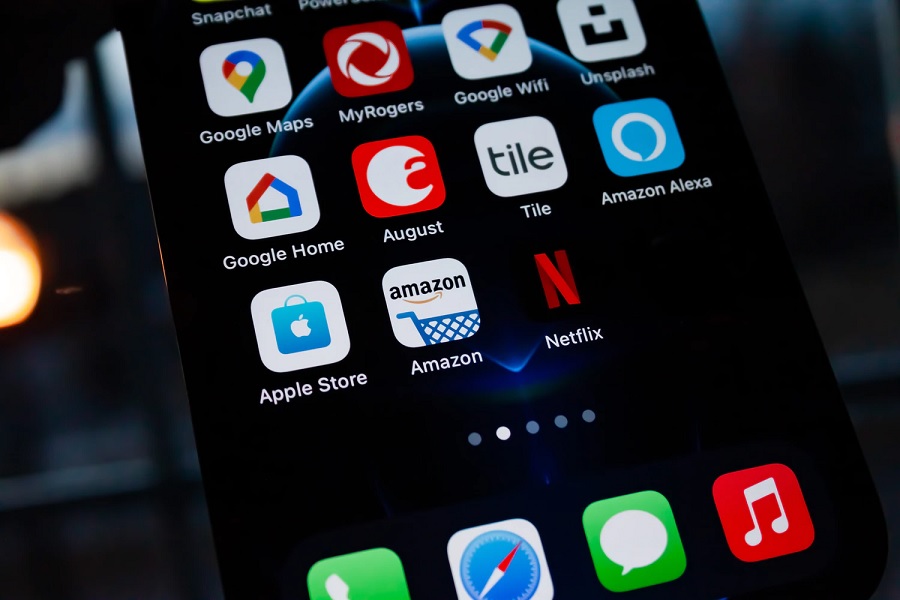
One of the most anticipated changes in the iOS 14 update is centered on Apple's new privacy policy. With the new guidelines, Google confirmed it would no longer use crucial user information for advertising purposes.
Google reveals how it's responding to iOS 14's new privacy feature
In a new blog post, Google announced that its mobile apps available on iOS devices would no longer gather certain user data for ads to adhere to Apple's App Tracking Transparency (ATT) framework. Google mentioned Identity for Advertisers (IDFA) as one of the types of data its apps will no longer collect.
IDFA is a device ID for iOS-powered gadgets that developers can use to identify devices and track user behavior, mainly for personalized ads. App developers who collect this type of data are required, under Apple's ATT, to ask users' permission first before continuing this activity.
Part of the iOS 14 update is a new prompt that informs users if an app will "track [their] activity across other companies' apps and websites." Choices include "Ask App not to Track" and "Allow." Since Google will no longer use IDFA, its iOS apps will not be required to show this prompt.
"We've always put users and their privacy first," Google added. "Transparency, choice and control form the bedrock of our commitment to users, and advertising is no different. The iOS 14 update also requires developers to list all the kinds of data used to track users, including the ones linked back to their identities.
iOS 14's new policy will not completely stop apps from getting ad revenues
Facebook, which saw a 22% increase in ad revenue after earning more than $21 billion in Q3 2020, launched a campaign attacking Apple's iOS 14 privacy features last December. The social media company released a full-page newspaper ad saying "more than 10 million small businesses" will be affected by Apple's new policy.
We believe users should have the choice over the data that is being collected about them and how it’s used. Facebook can continue to track users across apps and websites as before, App Tracking Transparency in iOS 14 will just require that they ask for your permission first. pic.twitter.com/UnnAONZ61I
— Tim Cook (@tim_cook) December 17, 2020
Apple responded by clarifying it will not force Facebook to change how it tracks users for ads but emphasized that iOS 14 is merely giving users a choice. Apple CEO Tim Cook said something similar on his Twitter page a few days after Facebook's newspaper ad. "Facebook can continue to track users across apps and websites as before ... iOS 14 will just require that they ask for your permission first," he wrote.







