


 Trump Backs Nexstar–Tegna Merger Amid Shifting U.S. Media Landscape
  Can your cat recognise you by scent? New study shows it’s likely
  Baidu Approves $5 Billion Share Buyback and Plans First-Ever Dividend in 2026
  Dollar Near Two-Week High as Stock Rout, AI Concerns and Global Events Drive Market Volatility
  U.S. Stock Futures Slide as Tech Rout Deepens on Amazon Capex Shock
  Disaster or digital spectacle? The dangers of using floods to create social media content
  Uber Ordered to Pay $8.5 Million in Bellwether Sexual Assault Lawsuit
  Glastonbury is as popular than ever, but complaints about the lineup reveal its generational challenge
  Locked up then locked out: how NZ’s bank rules make life for ex-prisoners even harder
  How to support someone who is grieving: five research-backed strategies
  U.S.-India Trade Framework Signals Major Shift in Tariffs, Energy, and Supply Chains
  Stuck in a creativity slump at work? Here are some surprising ways to get your spark back
  SpaceX Pushes for Early Stock Index Inclusion Ahead of Potential Record-Breaking IPO
  Canada’s local food system faces major roadblocks without urgent policy changes
  Asian Stocks Slip as Tech Rout Deepens, Japan Steadies Ahead of Election
  Gold and Silver Prices Climb in Asian Trade as Markets Eye Key U.S. Economic Data


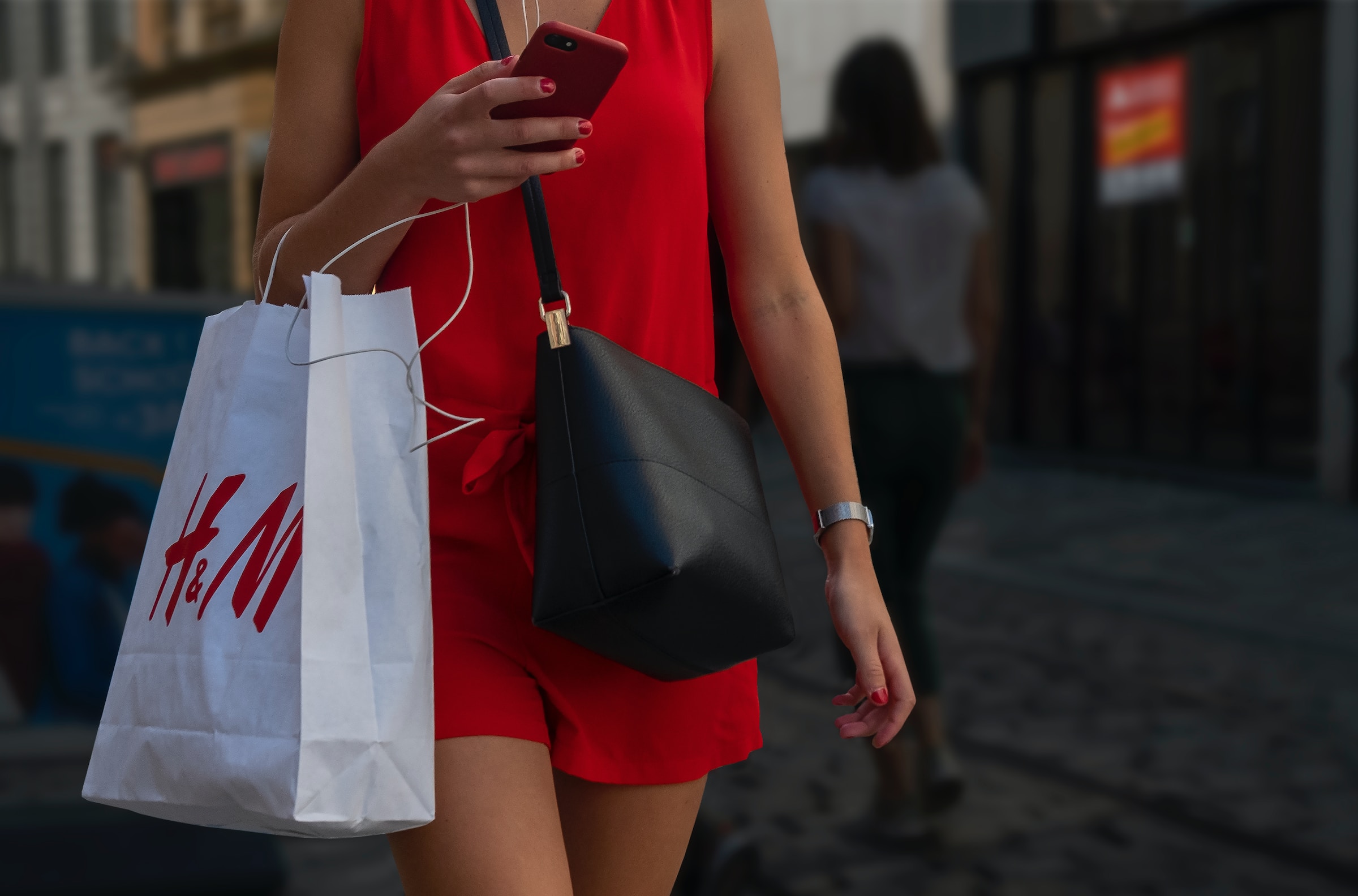
Fast-fashion giant H&M, led by CEO Helena Helmersson, is expanding its product mix with a strategic focus on third-party brands to boost growth. The retailer's ambitious plan aims to double its sales by 2030 by offering popular external brands like Adidas and New Balance across its online and physical stores.
Following a similar path, online fast-fashion company Shein has attracted high-end brands like Paul Smith and Stuart Weitzman to join its third-party marketplace strategy. On the other hand, Zara has opted to collaborate with third-party brands such as shoemaker Clarks and South Korean brand Ader Error, producing higher-priced exclusive products.
By adopting the marketplace model, fast-fashion companies aim to compete with e-commerce giants and offer a wide range of diverse brands and higher-margin products. This strategic move attracts new customers and enhances their brand reputation. Furthermore, it grants third-party brands greater exposure to a wider audience.
Sky Canaves, a senior analyst at Insider Intelligence, highlights how fast-fashion brands have faced competition from e-commerce giants like Amazon for years. According to Insider Intelligence's June forecast, Amazon is expected to dominate the apparel and accessories category, with sales reaching $69.72 billion in 2023, representing 32.6% of total U.S. retail e-commerce sales in the category. In order to counter this, fast-fashion brands need to take action.
To achieve its ambitious goal of doubling sales by 2030, H&M recognizes the importance of incorporating third-party brands on its website. Presently, H&M offers 70 external brands across six markets, including popular names like Adidas and New Balance. This effort has already resulted in a 6% increase in net sales, totaling approximately $5.36 billion.
Similarly, Zara observed a tremendous 13% growth in both in-store and online sales in its recent quarter, amounting to €7.6 billion ($8 billion). According to Canaves, all fast-fashion players will ultimately aim to diversify and upgrade their offerings, delving into higher-margin businesses.
The addition of third-party brands to H&M's website plays a pivotal role in achieving its sales doubling target by 2030. With 70 external brands already available on its platform in six markets, H&M is making strides toward this goal. Notably, products from brands like Adidas and New Balance are already available for purchase on some H&M Group-owned stores and websites.
Photo: Fernand De Canne/Unsplash













