


 Venezuela Appoints Felix Plasencia to Lead Foreign Relations and Trade
  Russia Launches Missile and Drone Attacks on Kyiv, Zaporizhzhia, and Kharkiv
  EU to Propose New Rules Limiting Children's Access to Social Media
  Zelenskiy Plans Ukraine Government Shake-Up as Prime Minister Svyrydenko Set to Step Down
  EU Ministers Split as Support Grows for Ban on Trade With Israeli West Bank Settlements
  UN Says Hamas Disrupted Gaza Aid Distribution, Group Denies Allegations
  Iran's Supreme Leader Vows Revenge as Trump Threatens Massive U.S. Military Response
  Brazil Court Bars Flavio Bolsonaro From Visiting Jair Bolsonaro Ahead of Election
  US-Iran Strikes Escalate as Strait of Hormuz Crisis Pushes Oil Prices Higher
  EU Weighs New Trade Restrictions on Israeli West Bank Settlements
  Trump Administration Hands Over Key Evidence in Minnesota Immigration Shooting Investigations
  Republican Senator Lindsey Graham Dies at 71, Leaving South Carolina Senate Seat Vacant
  Trump Recommends Darline Graham for Interim South Carolina Senate Seat
  Israeli Strikes Kill Six in Gaza as Ceasefire Talks Continue in Cairo
  Trump Tells Congress Iran Hostilities Restarted, Citing New 60-Day War Powers Window
  Reuters/Ipsos Poll: Most Americans Expect U.S.-Iran War to Be Prolonged


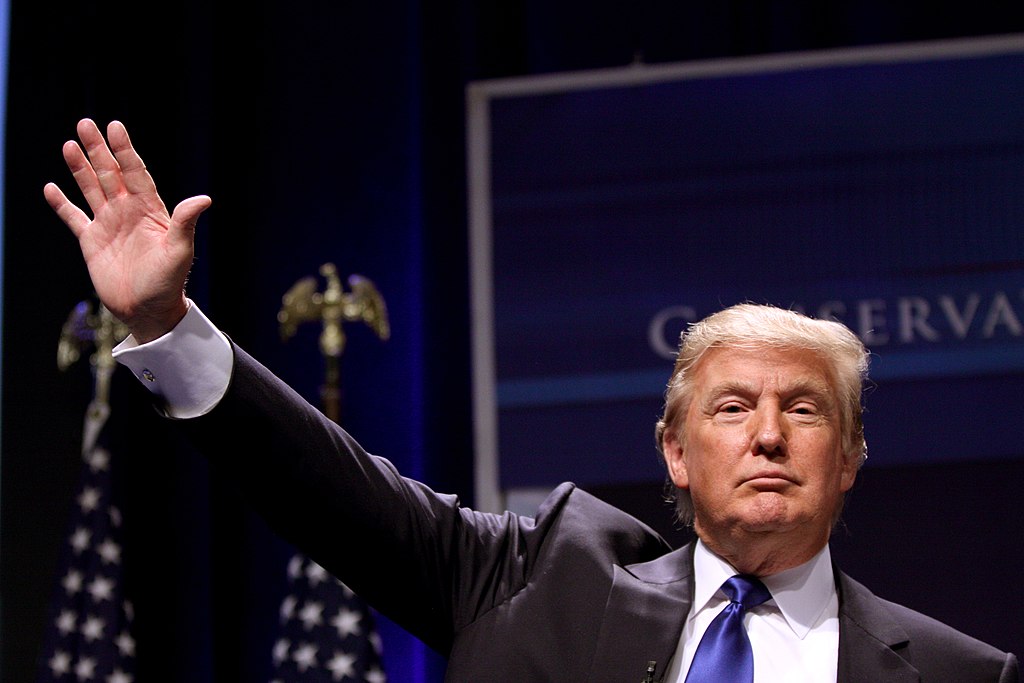
The House GOP unveiled a sweeping plan to slash $2.5 trillion in net mandatory spending over the next decade, sparking heated debates over the potential impact on critical programs. The proposed cuts are part of the party’s effort to rein in the national debt, but critics argue that they target vulnerable populations and essential services.
Plan Targets Mandatory Spending
House Republicans aim to implement reductions in mandatory spending programs, including Medicare, Medicaid, and Social Security. While the GOP has not disclosed specific line-item cuts, party leaders emphasized the need to address the federal deficit, which has ballooned to $36 trillion.
“We cannot keep borrowing from our future,” House Speaker Mike Johnson said during a press conference. “This is about securing the financial health of our nation for generations to come.”
The plan also includes measures to streamline federal agencies and eliminate what Republicans call “wasteful spending.” However, Democrats warn that the cuts would disproportionately affect low-income families, seniors, and individuals relying on government programs.
Democratic Opposition and Public Concern
Democratic lawmakers have vowed to oppose the GOP plan, calling it a direct attack on the middle class and vulnerable communities. House Minority Leader Hakeem Jeffries criticized the proposal, stating, “Republicans are choosing tax breaks for the wealthy over the well-being of hardworking Americans.”
Economists and policy analysts have expressed concerns about the long-term implications of the cuts. “Reducing mandatory spending on programs like Medicare and Medicaid could destabilize critical healthcare systems and increase inequality,” said Dr. Susan Carter, a senior economist at Brookings Institution.
The proposal also faces scrutiny from advocacy groups, who argue that such reductions would undermine the social safety net at a time when many Americans are still recovering from the economic fallout of the pandemic.
Public Reactions Highlight Divisions
The GOP’s announcement has ignited intense debate on social media, with reactions ranging from support for fiscal discipline to outrage over the potential consequences. Twitter user @BudgetHawk applauded the plan, writing, “It’s about time someone took the deficit seriously. Kudos to the House GOP for tackling this issue.”
On the other hand, @HealthcareMatters criticized the proposal, tweeting, “Cutting healthcare programs will hurt millions of Americans. This is not the solution we need.” Another user, @MiddleClassVoice, shared, “While we need fiscal responsibility, targeting Social Security and Medicare is unacceptable. Find another way.”
User @SaveMedicare posted, “This plan is cruel. People depend on these programs to survive. Cutting them will have devastating effects.” Meanwhile, @FiscalRealist argued, “The national debt is a ticking time bomb. We have to make tough choices to fix this.” Finally, @PolicyFirst added, “Congress needs to focus on comprehensive reform, not slash-and-burn tactics that harm everyday Americans.”
Challenges Ahead for GOP Plan
As the GOP plan moves forward, it faces significant hurdles in both the House and Senate. Democratic opposition, combined with public pushback, could derail the proposal or lead to substantial revisions.
The debate highlights a broader challenge for lawmakers: balancing fiscal responsibility with the need to protect essential services. With the 2024 election cycle looming, the outcome of this proposal could shape the political landscape for years to come.







