


 Missouri Judge Dismisses Lawsuit Challenging Starbucks’ Diversity and Inclusion Policies
  Nvidia Nears $20 Billion OpenAI Investment as AI Funding Race Intensifies
  Anthropic Eyes $350 Billion Valuation as AI Funding and Share Sale Accelerate
  Alphabet’s Massive AI Spending Surge Signals Confidence in Google’s Growth Engine
  AMD Shares Slide Despite Earnings Beat as Cautious Revenue Outlook Weighs on Stock
  Tencent Shares Slide After WeChat Restricts YuanBao AI Promotional Links
  Instagram Outage Disrupts Thousands of U.S. Users
  SoftBank and Intel Partner to Develop Next-Generation Memory Chips for AI Data Centers
  Elon Musk’s SpaceX Acquires xAI in Historic Deal Uniting Space and Artificial Intelligence
  SpaceX Prioritizes Moon Mission Before Mars as Starship Development Accelerates
  Global PC Makers Eye Chinese Memory Chip Suppliers Amid Ongoing Supply Crunch
  Nasdaq Proposes Fast-Track Rule to Accelerate Index Inclusion for Major New Listings
  Baidu Approves $5 Billion Share Buyback and Plans First-Ever Dividend in 2026
  SpaceX Seeks FCC Approval for Massive Solar-Powered Satellite Network to Support AI Data Centers
  SoftBank Shares Slide After Arm Earnings Miss Fuels Tech Stock Sell-Off
  Ford and Geely Explore Strategic Manufacturing Partnership in Europe
  Amazon Stock Rebounds After Earnings as $200B Capex Plan Sparks AI Spending Debate


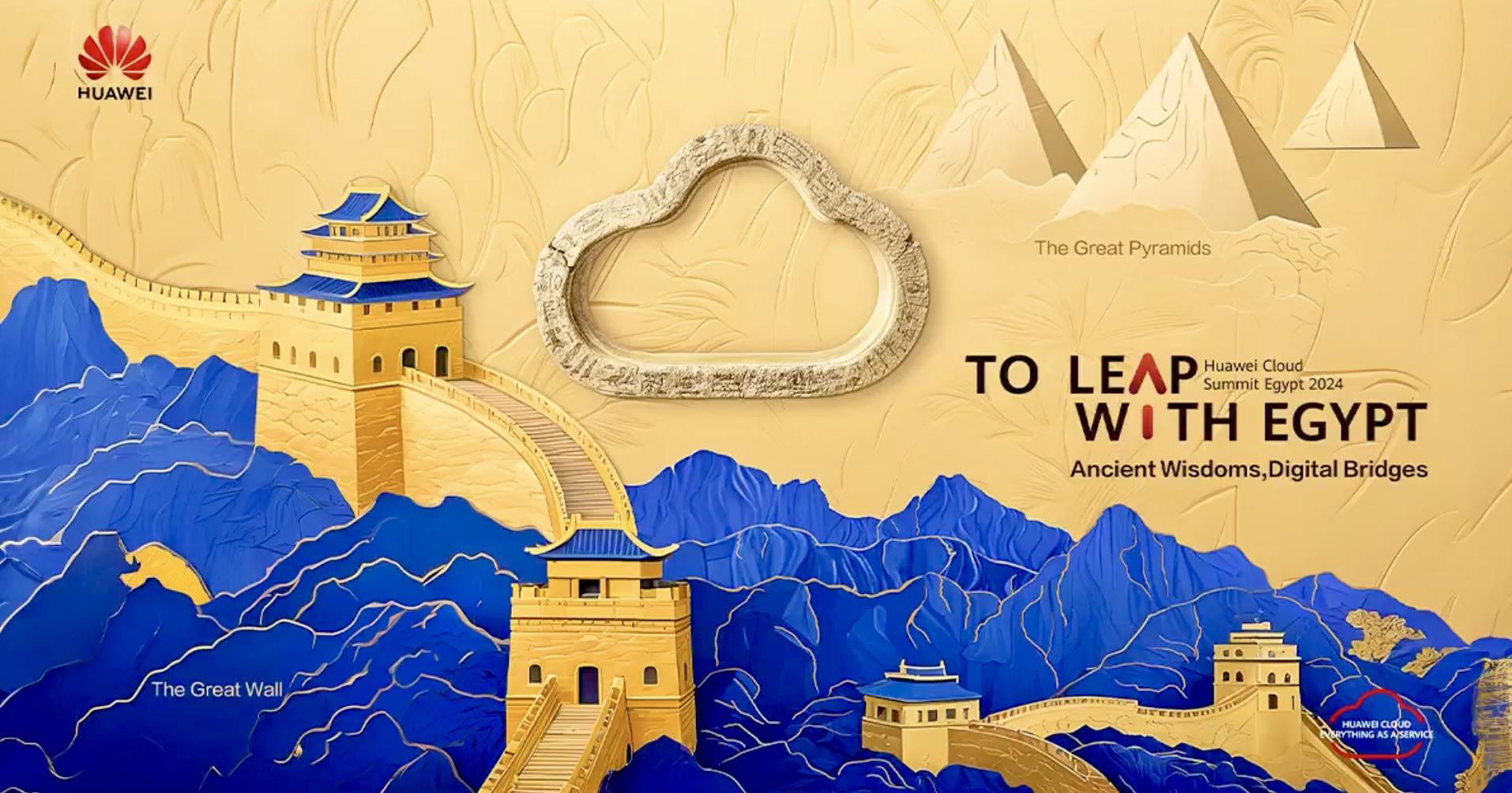
In Cairo, Huawei, a Chinese tech behemoth, introduced Egypt's first public cloud service and an Arabic large language model (LLM) to capitalize on the region's growing demand for generative artificial intelligence (AI).
Modern Standard Arabic LLM for Practical Business Applications
South China Morning Post (SCMP) reports that a statement from the company's cloud unit revealed that the Arabic LLM, a 100 billion parameter model developed on Huawei's in-house Pangu, has been meticulously trained using local data. This ensures a deep understanding of the Arab world's unique culture, history, knowledge, and customs, making it a genuinely local AI solution.
William Dong, president of Huawei Cloud's marketing, shared at the company's Cloud Summit in Cairo that the LLM, trained in modern standard Arabic, offers practical business applications. It can assist in creating AI models tailored to different local languages in the Arabic-speaking world, benefiting industries such as banking and education.
AI Models to Preserve Local Culture
With an accuracy rate of 96%, Huawei claims that its LLM's automatic speech recognition capability can cover more than 20 Arabic-speaking nations. The model was also trained using industry data sets covering digital power, oil and gas, and finance to support different sectors.
Global marketing and sales services president at Huawei Cloud, Jacqueline Shi, stated, "We believe that every country should have AI capabilities to preserve [their] local culture and that AI models should be developed and trained with local languages, enabling vertical industries to become more efficient."
Huawei's Role in MENA's Technology and Data Center Development
Huawei also showed off Egypt's first public cloud service center, which will help train tens of thousands of developers and tech experts and facilitate the opening of the nation's consumers' digital transformation prospects.
Huawei Central shares that Huawei Cloud is heavily involved in creating cutting-edge technologies and data centers in the Middle East and North Africa. Additionally, according to reports, the OEM is now the first company in the world to provide public cloud services in Egypt.
Photo: Huawei Egypt/X













