


 SpaceX Prioritizes Moon Mission Before Mars as Starship Development Accelerates
  Anthropic Eyes $350 Billion Valuation as AI Funding and Share Sale Accelerate
  SpaceX Seeks FCC Approval for Massive Solar-Powered Satellite Network to Support AI Data Centers
  AMD Shares Slide Despite Earnings Beat as Cautious Revenue Outlook Weighs on Stock
  Amazon Stock Rebounds After Earnings as $200B Capex Plan Sparks AI Spending Debate
  Tencent Shares Slide After WeChat Restricts YuanBao AI Promotional Links
  SoftBank and Intel Partner to Develop Next-Generation Memory Chips for AI Data Centers
  Palantir Stock Jumps After Strong Q4 Earnings Beat and Upbeat 2026 Revenue Forecast
  OpenAI Expands Enterprise AI Strategy With Major Hiring Push Ahead of New Business Offering
  Baidu Approves $5 Billion Share Buyback and Plans First-Ever Dividend in 2026
  Nvidia Confirms Major OpenAI Investment Amid AI Funding Race
  Nintendo Shares Slide After Earnings Miss Raises Switch 2 Margin Concerns
  Google Cloud and Liberty Global Forge Strategic AI Partnership to Transform European Telecom Services
  Nvidia CEO Jensen Huang Says AI Investment Boom Is Just Beginning as NVDA Shares Surge
  SoftBank Shares Slide After Arm Earnings Miss Fuels Tech Stock Sell-Off


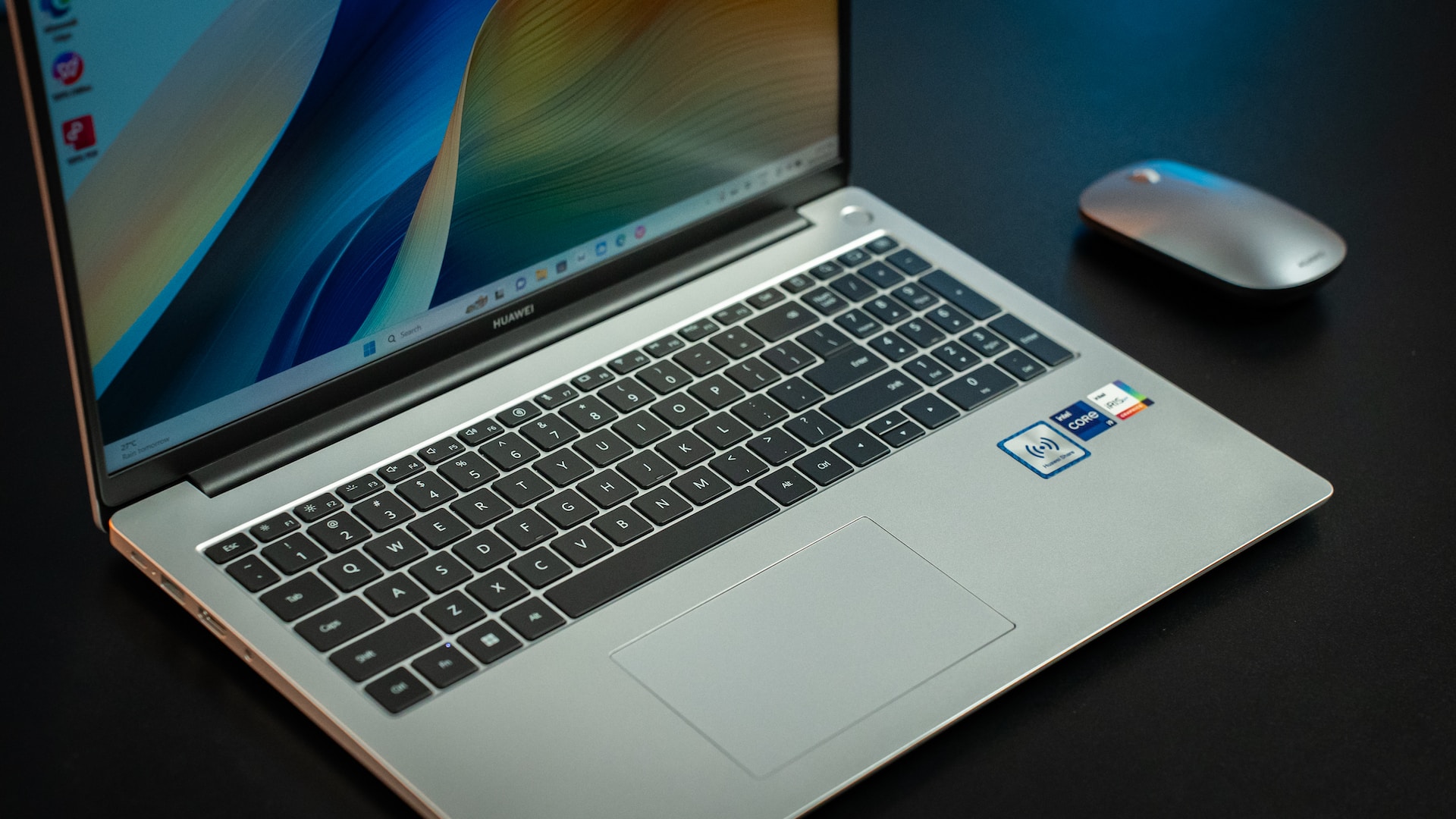
Huawei has introduced the Kirin 9006C for its Qingyun L540 and Qingyun L420 notebooks. Unfortunately, the single-core and multi-core performance, like that of the Kirin 9000S and Kirin 9000SL, has yet to equal what the competition offers, but that is how difficult things become when global trade prohibitions limit your alternatives.
Single-core, Multi-core Scores for Huawei's Kirin 9006C Reveal Disappointingly Slow SoC
Several PCs equipped with the Kirin 9006C have been tested, and the single-core and multi-core results are available on Geekbench 6. One Qingyun L420 unit scored 1,229 and 3,577, which is quite disappointing given that the SoC is designed to function in laptops, which require greater computing power than smartphones.
Unlike the majority of brands that run Windows 10 and Windows 11, Huawei's Qingyun L540 and Qingyun L420 run a proprietary operating system known as “UnionTech OS Desktop 20 Pro.” Because the operating system is lighter than Windows 10 or Windows 11, a high-end chipset is not required.
If Huawei is given the option to return to Microsoft's platform, it will need to create something with a little more oomph. We discovered that the Kirin 9006C's single-core and multi-core results are slower than the Snapdragon 8cx Gen 3, a Qualcomm SoC that lags far behind Apple's M2 in the same test.
Kirin 9006C: Huawei's Pursuit of Semiconductor Independence Despite Performance Hurdles
Just yesterday, it was discovered that the Kirin 9006C is a 5nm SoC developed by TSMC, not SMIC. While Huawei is lagging in the semiconductor race, a 5nm chipset still has good power-efficiency properties. In short, the Qingyun L540 and Qingyun L420 should outlast the average notebook in their class, but that doesn't change the reality that the Kirin 9006C is weak.
SMIC, China's largest semiconductor company, is pursuing 5nm wafer development using existing DUV machinery, as per WCCFTech. While this method will be more expensive and time-consuming, not to mention result in lower yields, Huawei likely wants independence from foreign companies and the US in order to design chipsets that can compete with Apple's M-series and Qualcomm's Snapdragon X Elite.
Photo: Amanz/Unsplash













