


 FDA Targets Hims & Hers Over $49 Weight-Loss Pill, Raising Legal and Safety Concerns
  Weight-Loss Drug Ads Take Over the Super Bowl as Pharma Embraces Direct-to-Consumer Marketing
  Taiwan Says Moving 40% of Semiconductor Production to the U.S. Is Impossible
  Washington Post Publisher Will Lewis Steps Down After Layoffs
  SoftBank Shares Slide After Arm Earnings Miss Fuels Tech Stock Sell-Off
  Global PC Makers Eye Chinese Memory Chip Suppliers Amid Ongoing Supply Crunch
  Uber Ordered to Pay $8.5 Million in Bellwether Sexual Assault Lawsuit
  American Airlines CEO to Meet Pilots Union Amid Storm Response and Financial Concerns
  SpaceX Prioritizes Moon Mission Before Mars as Starship Development Accelerates
  OpenAI Expands Enterprise AI Strategy With Major Hiring Push Ahead of New Business Offering
  Nvidia, ByteDance, and the U.S.-China AI Chip Standoff Over H200 Exports
  Amazon Stock Rebounds After Earnings as $200B Capex Plan Sparks AI Spending Debate
  Anta Sports Expands Global Footprint With Strategic Puma Stake
  TrumpRx Website Launches to Offer Discounted Prescription Drugs for Cash-Paying Americans
  Kroger Set to Name Former Walmart Executive Greg Foran as Next CEO
  Sony Q3 Profit Jumps on Gaming and Image Sensors, Full-Year Outlook Raised


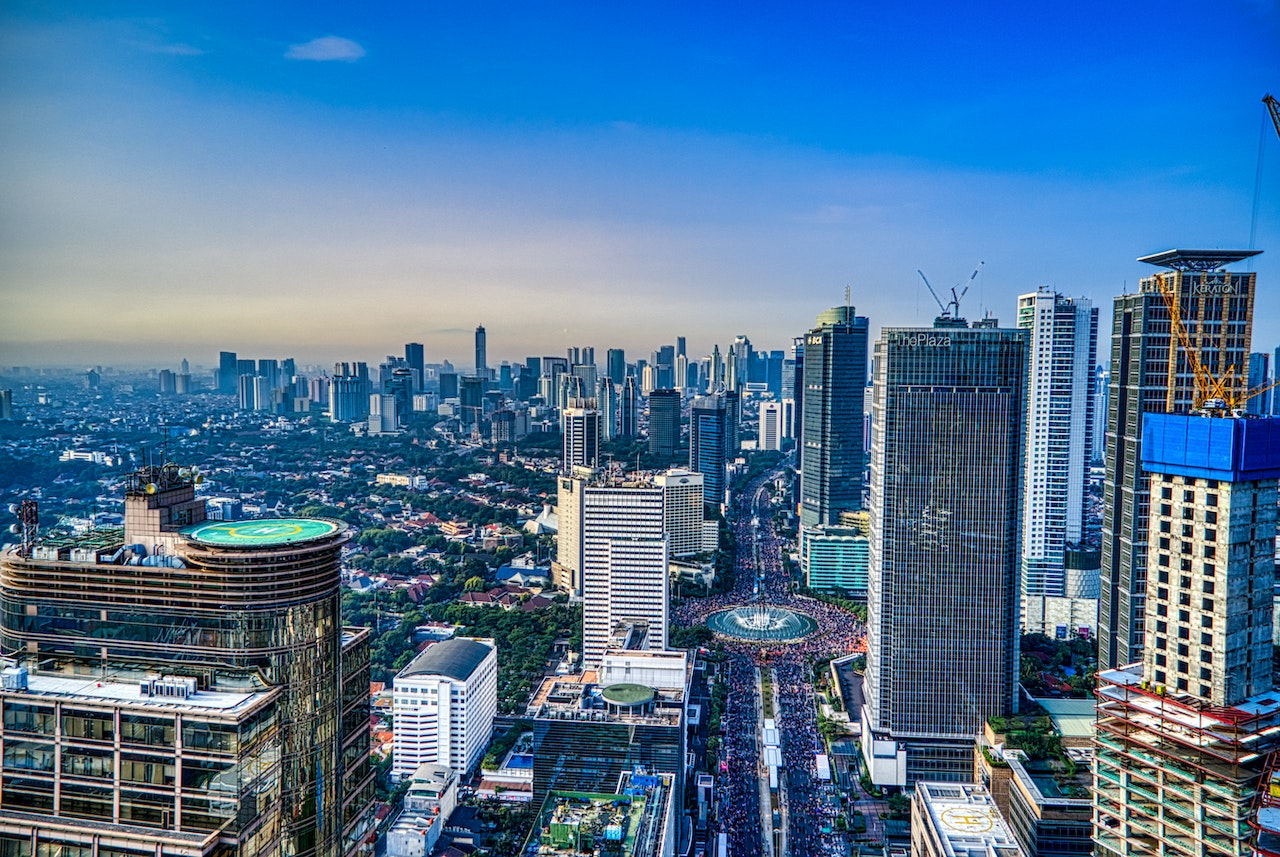
Indonesia tops the list of the most beautiful countries in the world and is projected to overtake Germany, Japan, and the UK by the size of its economy, securing the 4th place globally by the middle of the century. GDP is growing at an impressive rate of over 5% per year, well above the world average. The nickel ore export ban, introduced three years ago, seems to be working well, attracting loads of foreign investment into the country and turning Indonesia into a global battery-making industrial hub. The number of city dwellers is growing at an impressive pace too, boosted by high fertility rates and ongoing urbanisation. The World Bank estimates 780,000 new household formations per year up to 2045, driving long-term robust demand for housing.
At first glance, Indonesia’s property market is an ideal place to invest. Residential property prices are significantly lower than in other nations of comparable incomes: according to Numbeo, a cost-of-living database, the average price of a square meter of residential property in a city centre in Indonesia is just above $1,600, while in Vietnam or the Philippines it is as high as $2,800 and $2,500 respectively. Demand is boosted further by rising incomes and families moving out of substandard houses to better newly built places, while the supply side appears to be reaching the ceiling of its capacity as most of the country’s major developers and builders are overleveraged with looming maturities and limited room to grow. All in all, the prices' upside looks very attractive.
Yet, the prices remain relatively low for a good reason. With only one in five of the Indonesian families being able to afford buying a home on an open commercial market and over 2% of the population (about 6 million) being effectively homeless, the Indonesian government's top priority has long been protecting the market from affluent foreigners who would push housing prices higher, especially in places like Jakarta or Bali. Up to 2015, no foreign national was effectively allowed to own residential property in Indonesia; all purchases were done via local nominees. The laws still effectively ban foreigners from full ‘freehold’ ownership of the property, limiting their rights to a leasehold of a maximum 80-100 years with no access to mortgage finance. The government also set a minimum price of property a foreign investor could buy, which ranges from about $65,000 for a flat in places like Northern Sumatra to $325,000 for a house in Jakarta, Bali, or parts of Java. It is a luxury segment by Indonesian standards; everything cheaper is left for locals.
While the restrictions have ostensibly succeeded in keeping property prices affordable for Indonesians, they have, coupled with massive red tape and overstretched infrastructure development targets, crimped the profitability of the construction sector. Companies grappling with rising debt have been unable to generate sufficient free cash flows, ringing alarm bells akin to those in China. This, among other considerations, prompted a historic shift towards liberalisation of foreign ownership.
In 2021, Indonesia scrapped the requirement for a foreign buyer to have a long-term residence permit in place before proceeding with a deal and introduced some further changes in the ownership laws benefiting overseas investors.
The reform so far has hardly been a real breakthrough. It is estimated that so far only about 200 foreign owners have bought residential property in Indonesia directly, without a nominee, over the last several years, with just about 40 of them in 2023. Experts blame implementation delays: local authorities are reported to still require resident IDs and keep the ownership registration process long and convoluted. But it is expected to change.
As the construction sector accounts for about 20% of GDP growth, boosting domestic demand for everything from metals, energy, and concrete to services, Indonesia has no other option but to further open up its housing market to foreign investors, at least in the premium segment. Some speculate that eventually the government will enable fully fledged freehold ownership for foreigners as well, at least within limited, free-zone style, territories and streamline the registration process.
The government is trying to lure affluent migrants too. It recently launched a ‘second home’ visa scheme which grants a permit to stay in the country for up to 10 years for those with a stable income and more than about $130,000 in savings, a ‘golden visa’ for millionaires, and is looking into starting a ‘digital nomad’ visa aiming at young professionals working remotely.
But even the current, limited leasehold ownership appears attractive. According to Housearch.com, a leading property search platform, average rental yield in some ‘hot’ areas reaches as high as 15%. It means a less than 8 years payback period, and even with a modest price increase over the term of the lease, would secure a decent double-digit return on investment.
This article does not necessarily reflect the opinions of the editors or management of EconoTimes.













