


 Japan Election 2026: Sanae Takaichi Poised for Landslide Win Despite Record Snowfall
  Jack Lang Resigns as Head of Arab World Institute Amid Epstein Controversy
  Federal Judge Restores Funding for Gateway Rail Tunnel Project
  Trump Signs “America First Arms Transfer Strategy” to Prioritize U.S. Weapons Sales
  Norway Opens Corruption Probe Into Former PM and Nobel Committee Chair Thorbjoern Jagland Over Epstein Links
  U.S. to Begin Paying UN Dues as Financial Crisis Spurs Push for Reforms
  U.S. Announces Additional $6 Million in Humanitarian Aid to Cuba Amid Oil Sanctions and Fuel Shortages
  U.S.-India Trade Framework Signals Major Shift in Tariffs, Energy, and Supply Chains
  Trump Lifts 25% Tariff on Indian Goods in Strategic U.S.–India Trade and Energy Deal
  Nighttime Shelling Causes Serious Damage in Russia’s Belgorod Region Near Ukraine Border
  TrumpRx.gov Highlights GLP-1 Drug Discounts but Offers Limited Savings for Most Americans
  Trump Allows Commercial Fishing in Protected New England Waters
  Trump Backs Nexstar–Tegna Merger Amid Shifting U.S. Media Landscape
  Ohio Man Indicted for Alleged Threat Against Vice President JD Vance, Faces Additional Federal Charges
  Missouri Judge Dismisses Lawsuit Challenging Starbucks’ Diversity and Inclusion Policies
  Netanyahu to Meet Trump in Washington as Iran Nuclear Talks Intensify
  New York Legalizes Medical Aid in Dying for Terminally Ill Patients


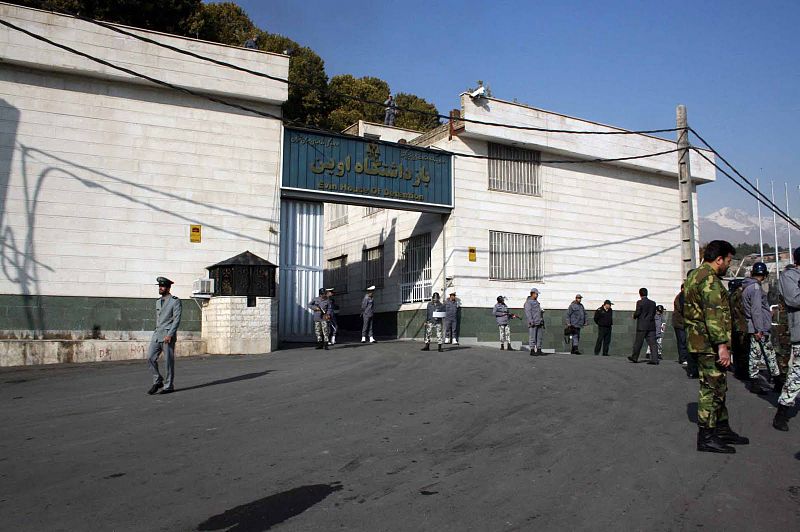
The United Nations rights office said Iran has put more than 200 people to death this year alone. The executions come amidst ongoing unrest and scrutiny of the country’s clerical leaders.
During a press briefing in Geneva on Tuesday, the spokesperson for the UN’s human rights office, Ravina Shamdasani, said over 200 people were executed in Iran so far this year. Shamdasani described such a record as “abominable” and called on Tehran to end the executions. Shamdasani cited that most executions were on drug-related offenses.
“The UN Human Rights chief Volker Turk today expressed dismay at the frighteningly high number of executions this year in Iran,” Shamdasani told reporters. “On average so far this year, over 10 people are put to death each week in Iran making it one of the world’s highest executors.”
This comes at a time when Iran is experiencing unrest due to the anti-government protests that have been taking place since September following the death of a Kurdish woman in the custody of its morality police for allegedly flouting the Islamic dress code. Tehran has blamed its foreign adversaries, such as Israel and the United States, for the unrest. Four people were also put to death on protest-related charges.
Iran has also sought to enforce other tactics to punish women who do not wear their hijab in public spaces. Women have defiantly persisted.
This week, the Iranian judiciary summoned two well-known Iranian actresses for taking off their hijab in public. State-affiliated media outlets reported that two judicial cases were filed against the two actresses, Baran Kosari and Shaghayegh Dehghan, for not fully complying with the country’s hijab laws, which were passed shortly after the 1979 Revolution.
Kosari was accused of not wearing her hijab as she attended the funeral of another actor on Friday last week. Dehghan was accused of getting photographed with her hair visible during a book unveiling in a cafe in Tehran on Saturday. Both actresses, prominent figures in Iranian cinema, join a growing list of Iranian celebrities who have spoken out against the hijab laws.
Kosari and Dehghan’s cases follow that of two other Iranian actresses, Fatemeh Motamedaria and Afsaneh Baygan, who have been charged over the hijab laws after attending an event last week that commemorated another actor. Veteran Iranian actor Rexa Kianian was also charged by the judiciary for expressing support for the women.
Photo by Ehsan Iran/Wikimedia Commons(CC BY-SA 2.0)














