


 Trump Signs “America First Arms Transfer Strategy” to Prioritize U.S. Weapons Sales
  Federal Judge Restores Funding for Gateway Rail Tunnel Project
  TrumpRx.gov Highlights GLP-1 Drug Discounts but Offers Limited Savings for Most Americans
  Ohio Man Indicted for Alleged Threat Against Vice President JD Vance, Faces Additional Federal Charges
  U.S. to Begin Paying UN Dues as Financial Crisis Spurs Push for Reforms
  China Warns US Arms Sales to Taiwan Could Disrupt Trump’s Planned Visit
  Trump’s Inflation Claims Clash With Voters’ Cost-of-Living Reality
  U.S.-India Trade Framework Signals Major Shift in Tariffs, Energy, and Supply Chains
  TrumpRx Website Launches to Offer Discounted Prescription Drugs for Cash-Paying Americans
  U.S. Announces Additional $6 Million in Humanitarian Aid to Cuba Amid Oil Sanctions and Fuel Shortages
  US Pushes Ukraine-Russia Peace Talks Before Summer Amid Escalating Attacks
  India–U.S. Interim Trade Pact Cuts Auto Tariffs but Leaves Tesla Out
  Jack Lang Resigns as Head of Arab World Institute Amid Epstein Controversy
  Trump Allows Commercial Fishing in Protected New England Waters
  Nighttime Shelling Causes Serious Damage in Russia’s Belgorod Region Near Ukraine Border
  U.S. Lawmakers to Review Unredacted Jeffrey Epstein DOJ Files Starting Monday


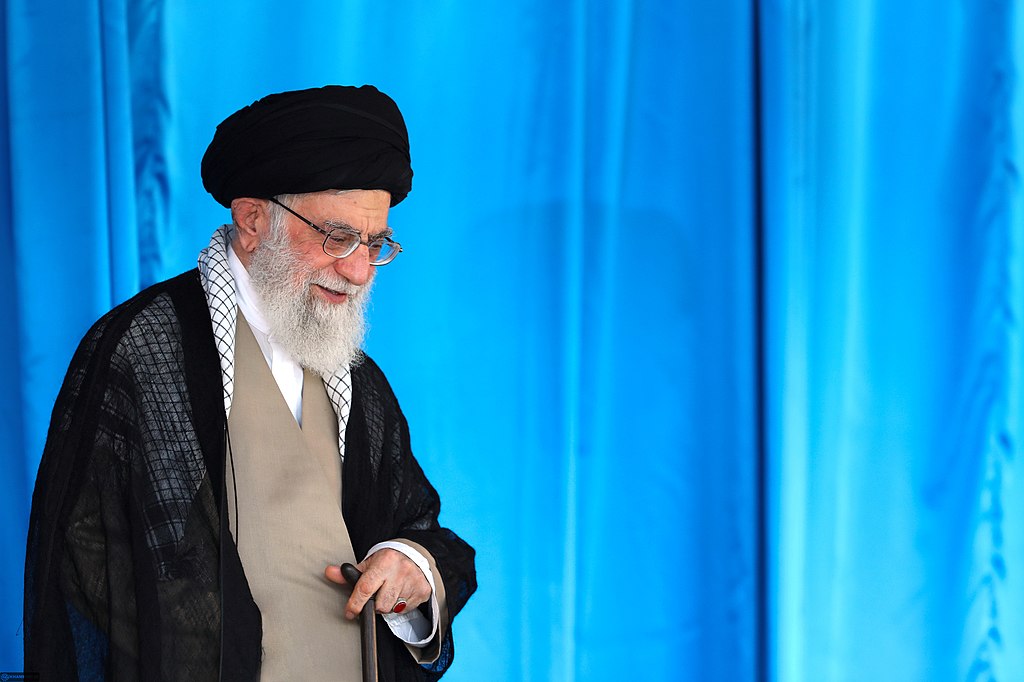
Iran’s Supreme Leader Ayatollah Ali Khamenei dismissed calls for negotiations on Saturday, rejecting U.S. pressure a day after President Donald Trump claimed he had sent a letter urging Tehran to strike a nuclear deal.
In an interview, Trump reiterated that Iran faces two choices: negotiate or risk military action. The White House doubled down, with National Security Council spokesman Brian Hughes emphasizing that Tehran should prioritize its people over "terror."
Khamenei, however, dismissed talks as a means for the U.S. to impose new demands beyond Iran’s nuclear program. He insisted Iran would not accept conditions that undermine its defense capabilities, missile range, or regional influence.
Tensions between Washington and Tehran have escalated since Trump’s 2018 withdrawal from the Iran nuclear deal, reimposing sanctions that crippled Iran’s economy. In response, Tehran ramped up uranium enrichment, surpassing previous limits. The U.N. nuclear watchdog chief, Rafael Grossi, recently warned that time is running out for diplomacy to curb Iran’s nuclear advancements.
Despite Western concerns over Iran’s growing military capabilities, including ballistic missiles and drone carriers, Tehran maintains its programs are for defensive purposes. As U.S. sanctions persist, Iran remains firm in resisting what it sees as coercion, signaling no willingness to bow to Washington’s pressure.
With rising tensions in the Middle East and diplomatic options narrowing, the standoff over Iran’s nuclear ambitions shows no signs of easing.













