


 Norway Opens Corruption Probe Into Former PM and Nobel Committee Chair Thorbjoern Jagland Over Epstein Links
  Japan Election 2026: Sanae Takaichi Poised for Landslide Win Despite Record Snowfall
  Trump Signs Executive Order Threatening 25% Tariffs on Countries Trading With Iran
  Trump Backs Nexstar–Tegna Merger Amid Shifting U.S. Media Landscape
  India–U.S. Interim Trade Pact Cuts Auto Tariffs but Leaves Tesla Out
  South Korea Assures U.S. on Trade Deal Commitments Amid Tariff Concerns
  Jack Lang Resigns as Head of Arab World Institute Amid Epstein Controversy
  New York Legalizes Medical Aid in Dying for Terminally Ill Patients
  TrumpRx.gov Highlights GLP-1 Drug Discounts but Offers Limited Savings for Most Americans
  Pentagon Ends Military Education Programs With Harvard University
  China Warns US Arms Sales to Taiwan Could Disrupt Trump’s Planned Visit
  Iran–U.S. Nuclear Talks in Oman Face Major Hurdles Amid Rising Regional Tensions
  Federal Judge Restores Funding for Gateway Rail Tunnel Project
  Trump Allows Commercial Fishing in Protected New England Waters
  Trump Lifts 25% Tariff on Indian Goods in Strategic U.S.–India Trade and Energy Deal
  TrumpRx Website Launches to Offer Discounted Prescription Drugs for Cash-Paying Americans
  Trump Signs “America First Arms Transfer Strategy” to Prioritize U.S. Weapons Sales


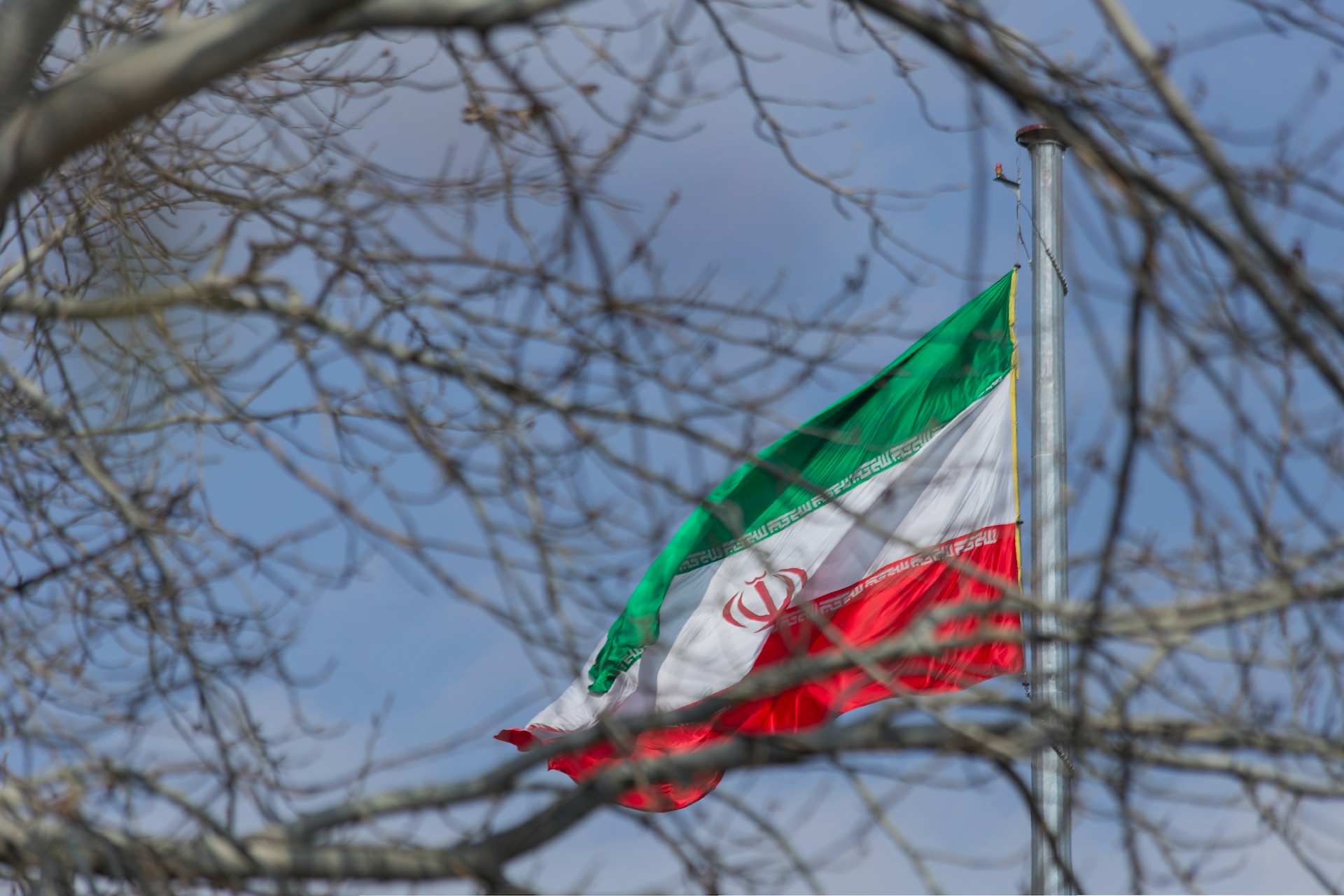
Iran has reportedly tested a 2000-kilometer ballistic missile in another effort to advance its missile program. The latest test launch also follows comments by Israel’s armed forces chief suggesting the possibility of a response to Tehran’s nuclear program.
Iranian state media said on Thursday that Tehran has tested a ballistic missile that has a potential range of 2000 kilometers. State television broadcasted footage of what it said was the test launch of an upgraded version of Iran’s Khoramshahr 4 ballistic missile that has a range of 2000 kilometers and is capable of carrying a 1500-kilogram warhead. The state news outlet IRNA said the liquid-fuel missile was named the “Kheibar,” referring to the Jewish castle that was overrun by Muslim warriors in the early days of Islam.
“The domestically-built Kheibar’s missile’s outstanding features include quick preparation and launch time, which makes it a tactical weapon in addition to a strategic one,” said IRNA.
Iran has said its ballistic missiles serve as an important deterrent and a retaliatory force against its adversaries, such as the United States and Israel, among others. Iran has also boasted that its missiles are capable of reaching the bases of its adversaries in the region.
“Our message to Iran’s enemies is that we will defend the country and its achievements. Our message to our friends is that we want to help regional stability,” said Iranian defense minister Mohammadreza Ashtiani.
This follows the comments made by the top Israeli general on Tuesday, suggesting taking possible military action against Iran, especially as discussions to revive the 2015 nuclear deal with six world powers remained stalled since September.
Also on Thursday, France has accused Iran of violating a United Nations Security Council resolution that endorsed the 2015 nuclear deal following its ballistic missile test. Paris expressed concern that this week’s test launch due to the “uninterrupted escalation” of Iran’s nuclear program.
The UNSC resolution 2231 calls on Iran not to carry out any activity related to ballistic missiles that are capable of carrying potential nuclear weapons. However, the language in the resolution is ambiguous and subject to open interpretation. Western officials said that even if the launches breached 2231, they did not violate the nuclear agreement.
Photo: Mostafa Meraji / Unsplash (CC by 2.0)













