


 India–U.S. Interim Trade Pact Cuts Auto Tariffs but Leaves Tesla Out
  Nicaragua Ends Visa-Free Entry for Cubans, Disrupting Key Migration Route to the U.S.
  Trump Slams Super Bowl Halftime Show Featuring Bad Bunny
  Trump Administration Appeals Court Order to Release Hudson Tunnel Project Funding
  Jack Lang Resigns as Head of Arab World Institute Amid Epstein Controversy
  Netanyahu to Meet Trump in Washington as Iran Nuclear Talks Intensify
  Trump Backs Nexstar–Tegna Merger Amid Shifting U.S. Media Landscape
  U.S. Lawmakers to Review Unredacted Jeffrey Epstein DOJ Files Starting Monday
  Trump Signs Executive Order Threatening 25% Tariffs on Countries Trading With Iran
  Trump’s Inflation Claims Clash With Voters’ Cost-of-Living Reality
  U.S.-India Trade Framework Signals Major Shift in Tariffs, Energy, and Supply Chains
  Japan’s Prime Minister Sanae Takaichi Secures Historic Election Win, Shaking Markets and Regional Politics
  Trump Lifts 25% Tariff on Indian Goods in Strategic U.S.–India Trade and Energy Deal
  Anutin’s Bhumjaithai Party Wins Thai Election, Signals Shift Toward Political Stability
  Israel Approves West Bank Measures Expanding Settler Land Access
  Trump Congratulates Japan’s First Female Prime Minister Sanae Takaichi After Historic Election Victory
  Trump Allows Commercial Fishing in Protected New England Waters


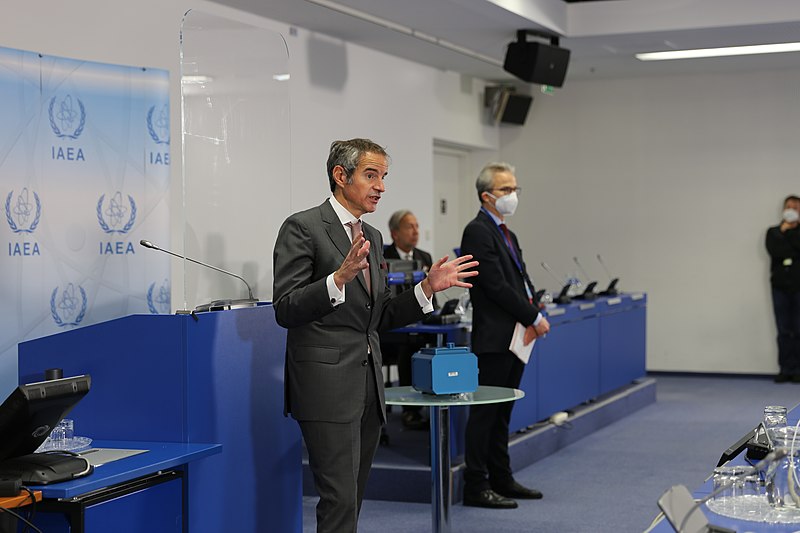
The United Nations’ nuclear watchdog reported that Iran has transferred its workshop for producing parts for centrifuges. International Atomic Energy Agency head Rafael Grossi said this week that Tehran has moved its centrifuge part workshop underground.
Grossi said Thursday that Iran has moved its workshop that produces parts for its centrifuges – the machines that enrich uranium – underground, according to Reuters.
The workshop uses machines from a facility in Karaj that is now shut down after suffering what Iran claims were a sabotage attempt by Israel. The workshop makes the essential parts of advanced centrifuges deemed to be one of the most efficient in Iran’s nuclear program.
Grossi told a news conference that the workshop was in “one of the halls” of the Fuel Enrichment Plant. Diplomats say that the plant is three floors underground, done to protect the facility from potential airstrikes. The IAEA told its member countries two weeks prior that Iran has moved the machines to Natanz, but did not disclose the specific location of the facility.
To this day, Iran has only used its FEP for the enrichment of uranium and is the one facility where the 2015 nuclear deal allowed Iran to produce enriched uranium but only with its first-generation IR-1 centrifuges. The IR-1 centrifuges are known to be less efficient compared to the country’s more advanced models.
IAEA chief inspector Massimo Aparo said that the facility is ready for operations.
This news comes amidst paused talks on the nuclear deal between Iran and major powers such as the US after months of negotiations. Talks were put on hold following Russia’s invasion of Ukraine.
Iran’s IAEA spokesperson later confirmed Friday the belief that the reason for transferring the centrifuge part workshop underground was due to the “terrorist attack” on Iran’s Karaj site.
“Due to the terrorist operation against the TESA Karaj complex, we had to tighten security and relocate a significant part of the centrifuge machines to a safer location,” said Iran’s IAEA spokesperson Behrouz Kamalvandi, according to Iranian media outlets. Kamalvandi claimed the lack of attention by the IAEA on Israel’s “vicious operations” as a reason for the move.













