


 Trump Backs Nexstar–Tegna Merger Amid Shifting U.S. Media Landscape
  Trump Allegedly Sought Airport, Penn Station Renaming in Exchange for Hudson River Tunnel Funding
  Ohio Man Indicted for Alleged Threat Against Vice President JD Vance, Faces Additional Federal Charges
  Pentagon Ends Military Education Programs With Harvard University
  U.S. Announces Additional $6 Million in Humanitarian Aid to Cuba Amid Oil Sanctions and Fuel Shortages
  China Warns US Arms Sales to Taiwan Could Disrupt Trump’s Planned Visit
  U.S. Lawmakers to Review Unredacted Jeffrey Epstein DOJ Files Starting Monday
  Trump’s Inflation Claims Clash With Voters’ Cost-of-Living Reality
  New York Legalizes Medical Aid in Dying for Terminally Ill Patients
  Iran–U.S. Nuclear Talks in Oman Face Major Hurdles Amid Rising Regional Tensions
  Nighttime Shelling Causes Serious Damage in Russia’s Belgorod Region Near Ukraine Border
  India–U.S. Interim Trade Pact Cuts Auto Tariffs but Leaves Tesla Out
  Netanyahu to Meet Trump in Washington as Iran Nuclear Talks Intensify
  Missouri Judge Dismisses Lawsuit Challenging Starbucks’ Diversity and Inclusion Policies
  Trump Says “Very Good Talks” Underway on Russia-Ukraine War as Peace Efforts Continue
  Trump Allows Commercial Fishing in Protected New England Waters
  Trump Endorses Japan’s Sanae Takaichi Ahead of Crucial Election Amid Market and China Tensions


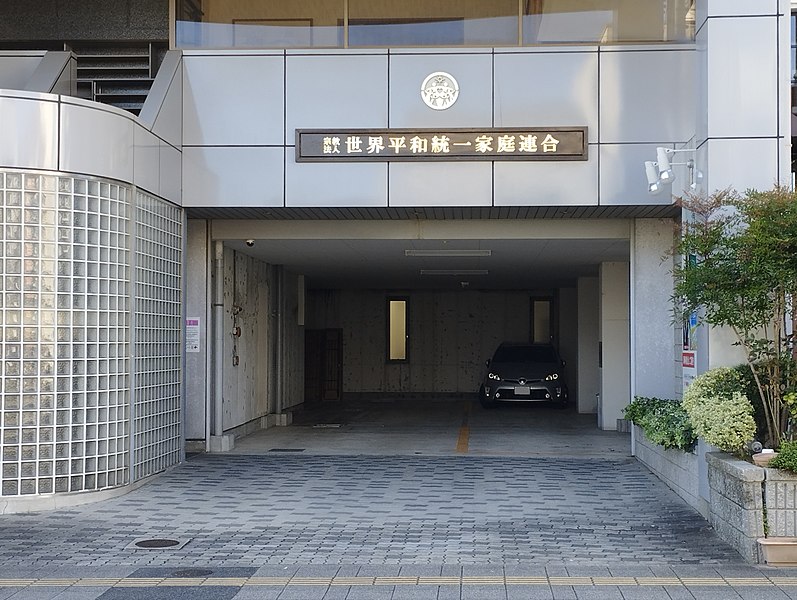
Authorities in Japan have begun an investigation into the controversial Unification Church this week. The probe could threaten the church’s legal status, as the country is still reeling from the assassination of former Prime Minister Shinzo Abe and the revelation of the governing party’s ties with the church.
The Japanese government launched a probe into the Unification Church Tuesday, following the public outrage that came from the assassination of Abe. Abe’s assassination also revealed the ties between members of the governing Liberal Democratic Party and the church. Culture minister Keiko Nagaoka told a news conference that the government has given the Unification Church until December 9 to answer questions about its finances and organization.
Following the inquiry, the ministry will determine whether to seek a court order that could potentially revoke the church’s legal standing, which could take several months and may be followed by a lengthy legal battle. The spokesperson for the Japan chapter of the church said that it expects to receive the first set of questions from the government on Wednesday and will cooperate with the probe.
The scrutiny of the government and the church follows the assassination of Abe back in July. The gunman, Tetsuya Yamagami, blamed the church for sending his mother into bankruptcy and said that Abe, who appeared in events sponsored by the church-affiliated groups, promoted the organization.
With the probe, the Unification Church, founded in South Korea in 1954, relies on its Japanese followers to be a source of income, and the investigation could offer a major financial blow that would affect its tax exemption status as well as its property holdings.
Friday last week, a district court in Japan ruled to reduce the length of the psychiatric evaluation of Yamagami, reversing the previous decision, according to the Kyodo news agency. The local court previously granted the request by prosecutors to continue Yamagami’s psychiatric evaluation until February 6, a three-month extension from the initial end date of November 29.
Yamagami’s attorneys appealed against the extension, arguing that an extension of three more months would be too long “and is illegal given that it is neither necessary nor reasonable,” according to the report. The district court in Nara ruled to end the evaluation on January 10.













