


 Trump Lifts 25% Tariff on Indian Goods in Strategic U.S.–India Trade and Energy Deal
  Antonio José Seguro Poised for Landslide Win in Portugal Presidential Runoff
  Nicaragua Ends Visa-Free Entry for Cubans, Disrupting Key Migration Route to the U.S.
  Japan Election 2026: Sanae Takaichi Poised for Landslide Win Despite Record Snowfall
  Israel Approves West Bank Measures Expanding Settler Land Access
  Anutin’s Bhumjaithai Party Wins Thai Election, Signals Shift Toward Political Stability
  New York Legalizes Medical Aid in Dying for Terminally Ill Patients
  Trump Signs Executive Order Threatening 25% Tariffs on Countries Trading With Iran
  Bosnian Serb Presidential Rerun Confirms Victory for Dodik Ally Amid Allegations of Irregularities
  Trump Congratulates Japan’s First Female Prime Minister Sanae Takaichi After Historic Election Victory
  Trump Signs “America First Arms Transfer Strategy” to Prioritize U.S. Weapons Sales
  Sydney Braces for Pro-Palestine Protests During Israeli President Isaac Herzog’s Visit
  Ohio Man Indicted for Alleged Threat Against Vice President JD Vance, Faces Additional Federal Charges
  Trump Backs Nexstar–Tegna Merger Amid Shifting U.S. Media Landscape
  Federal Judge Restores Funding for Gateway Rail Tunnel Project
  Trump Administration Appeals Court Order to Release Hudson Tunnel Project Funding
  U.S.-India Trade Framework Signals Major Shift in Tariffs, Energy, and Supply Chains


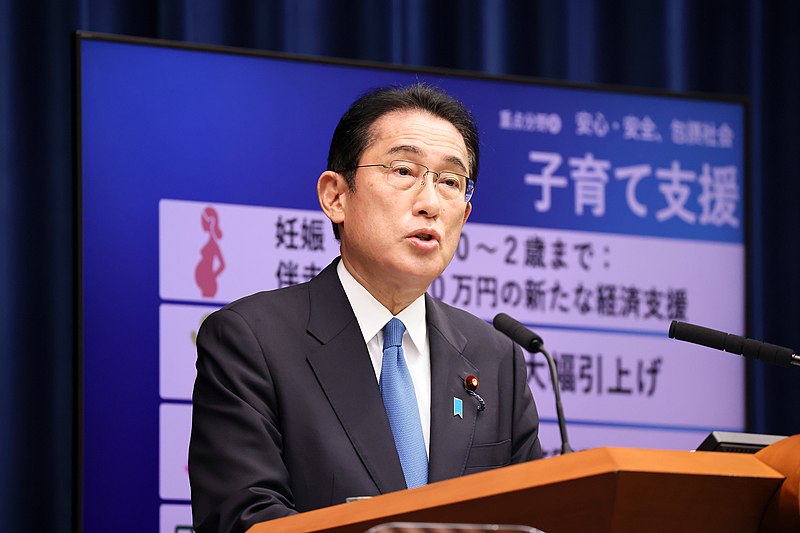
Japanese Prime Minister Fumio Kishida said that China’s actions in the region have increasingly infringed on Japan’s sovereignty, escalating tensions. Kishida also stressed the importance of peace and stability in the Taiwan Strait, and also expressed concern over the alleged human rights abuses of the Uyghur Muslim minorities.
Kishida was in attendance at the East Asia Summit in Cambodia over the weekend. The summit groups 18 countries that make up half of the global economy including Southeast Asian countries, and the three major economies the United States, Japan, and China. In his remarks, Kishida said China’s activities in the region have increasingly breached Japan’s sovereignty, citing China’s activities in the East China Sea.
“There has been continued, increasing actions by China in the East China Sea that violate Japan’s sovereignty. China also continues to take actions that heighten regional tension in the South China Sea,” said Kishida during the meeting, according to a statement by the Japanese foreign ministry.
Kishida also expressed “serious concern” over the human rights situation of the Uyghur minority in China’s Xinjiang province. Beijing has denied the allegations of human rights abuses of the ethnic minority and deployed a delegation to Geneva to dispute the findings of the United Nations human rights office.
Kishida also echoed the remarks by US President Joe Biden, stressing the importance of peace and stability in the Taiwan Strait as well as a free and open Indo-Pacific region. China has asserted control over the Strait as well as the majority of the South China Sea, angering the surrounding countries that have overlapping claims.
Kishida met with Biden on the sidelines of the summit and the two leaders agreed to strengthen their alliance in the face of shared concerns such as the ongoing war in Ukraine, the missile launches by North Korea, and tensions in the South and East China Seas.
“We agreed to strengthen the deterrent strength and effectiveness of the US-Japan alliance amid mounting challenges to the security of the region,” Kishida told reporters, adding that they reaffirmed their opposition to a unilateral change to the status quo as well as Russia’s nuclear threats.













