


 U.S. Announces Additional $6 Million in Humanitarian Aid to Cuba Amid Oil Sanctions and Fuel Shortages
  Missouri Judge Dismisses Lawsuit Challenging Starbucks’ Diversity and Inclusion Policies
  Trump Allegedly Sought Airport, Penn Station Renaming in Exchange for Hudson River Tunnel Funding
  Trump Endorses Japan’s Sanae Takaichi Ahead of Crucial Election Amid Market and China Tensions
  Trump Lifts 25% Tariff on Indian Goods in Strategic U.S.–India Trade and Energy Deal
  Norway Opens Corruption Probe Into Former PM and Nobel Committee Chair Thorbjoern Jagland Over Epstein Links
  U.S. Lawmakers to Review Unredacted Jeffrey Epstein DOJ Files Starting Monday
  China Warns US Arms Sales to Taiwan Could Disrupt Trump’s Planned Visit
  U.S.-India Trade Framework Signals Major Shift in Tariffs, Energy, and Supply Chains
  TrumpRx.gov Highlights GLP-1 Drug Discounts but Offers Limited Savings for Most Americans
  Netanyahu to Meet Trump in Washington as Iran Nuclear Talks Intensify
  TrumpRx Website Launches to Offer Discounted Prescription Drugs for Cash-Paying Americans
  Pentagon Ends Military Education Programs With Harvard University
  New York Legalizes Medical Aid in Dying for Terminally Ill Patients
  Japan Election 2026: Sanae Takaichi Poised for Landslide Win Despite Record Snowfall
  Trump Allows Commercial Fishing in Protected New England Waters
  Trump Backs Nexstar–Tegna Merger Amid Shifting U.S. Media Landscape


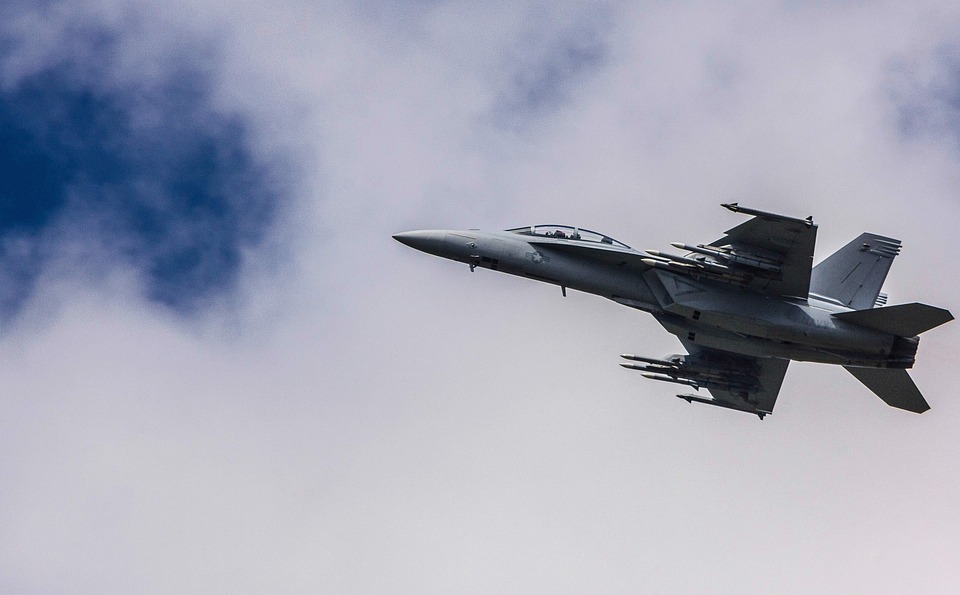
The Japanese defense ministry is reportedly planning to develop long-range missiles that are set to be deployed by the 2030s. The planned development follows the recent unveiling of the country’s largest military build-up in decades.
According to the Kyodo news agency Saturday, Japan’s defense ministry is making arrangements to develop missiles with a range of 3000 kilometers that could be ready to be deployed by the 2030s. Tokyo is looking to deploy a 2000-kilometer range missile by the early 2030s and a 3000-kilometer hypersonic missile that can reach any target in North Korea and parts of China by 2035.
The planned development follows the unveiling of the country’s biggest military build-up since World War Two. The $327 billion plan will see the procurement of missiles capable of striking China amidst tensions in the region and Russia’s invasion of Ukraine.
The defense budget is part of a significant $863 billion budget from next April and was approved by Prime Minister Fumio Kishida’s cabinet Friday last month. The increased budget was partly due to the increased defense spending, which is part of the government’s new National Security strategy.
Japan’s new defense spending target is also in line with NATO standards and will eventually bring Japan’s annual budget to $73 billion, making the country the third-largest military spender, following the United States and China.
The new National Security strategy aims to provide Japan with a “counter-strike capability” that can intercept potential enemy attacks and protect itself from the risks posed by North Korea, Russia, and China, which Tokyo fears may invade the democratically-governed Taiwan. The strategy marks a significant change in Japan’s exclusive self-defense stance since the end of World War Two.
The strategy cited China’s increasing military buildup and its rivalry with the US, and its increased military activities near Taiwan as an “unprecedented and the greatest strategic challenge” to Japan’s and the international community’s peace and security. Japan says having a counterstrike capability is indispensable and constitutional if it responds to signs of an imminent attack by an enemy.
However, experts have said that there is difficulty in carrying out such an attack without risking blame for striking first. Opponents have said Japan’s strike capabilities go beyond its pacifist post-World War II constitution.













