


 India–U.S. Interim Trade Pact Cuts Auto Tariffs but Leaves Tesla Out
  Trump Backs Nexstar–Tegna Merger Amid Shifting U.S. Media Landscape
  Trump’s Inflation Claims Clash With Voters’ Cost-of-Living Reality
  Trump Administration Appeals Court Order to Release Hudson Tunnel Project Funding
  U.S. Lawmakers to Review Unredacted Jeffrey Epstein DOJ Files Starting Monday
  Israel Approves West Bank Measures Expanding Settler Land Access
  Trump Congratulates Japan’s First Female Prime Minister Sanae Takaichi After Historic Election Victory
  US Pushes Ukraine-Russia Peace Talks Before Summer Amid Escalating Attacks
  Trump Allows Commercial Fishing in Protected New England Waters
  Trump Says “Very Good Talks” Underway on Russia-Ukraine War as Peace Efforts Continue
  Trump Lifts 25% Tariff on Indian Goods in Strategic U.S.–India Trade and Energy Deal
  Anutin’s Bhumjaithai Party Wins Thai Election, Signals Shift Toward Political Stability
  Japan’s Prime Minister Sanae Takaichi Secures Historic Election Win, Shaking Markets and Regional Politics
  Trump Signs Executive Order Threatening 25% Tariffs on Countries Trading With Iran
  Antonio José Seguro Poised for Landslide Win in Portugal Presidential Runoff
  Trump Slams Super Bowl Halftime Show Featuring Bad Bunny


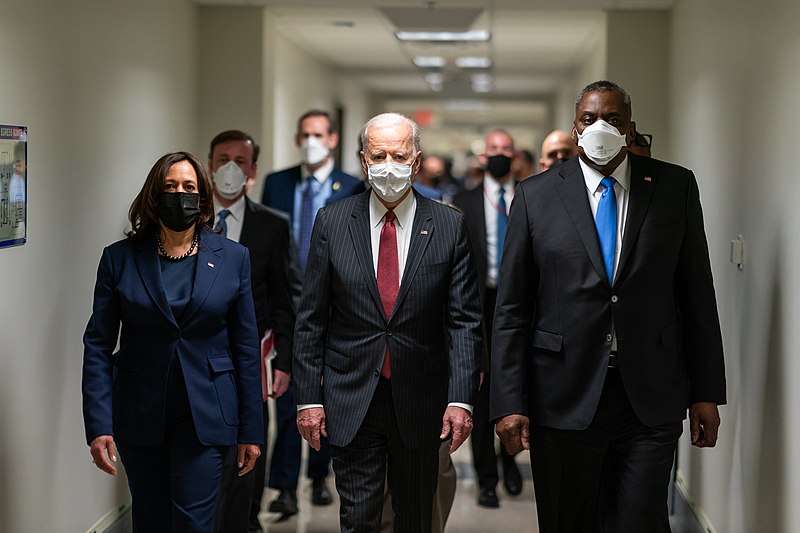
Relations between the United States and China were heavily strained during the Trump administration, but President Joe Biden seeks to approach the situation regarding China differently. The US is set to re-engage the alliance of the “Quad” to discuss the appropriate action to take against China.
The US State Department announced that Secretary Antony Blinken will be speaking virtually to his counterparts in the countries that are part of the alliance known as the Quad - Australia, India, and Japan - this week. They would have climate change and the ongoing COVID-19 pandemic as part of their agenda in the upcoming meeting on Thursday. This comes as relations between the other countries with China have been strained.
“These discussions with the Quad foreign ministers is critical to advancing our shared goals of a free and open Indo-Pacific and rising to the defining challenges of our times,” said State Department spokesman Ned Price last week Wednesday.
China’s state outlet Global Times warned Biden last month against renewing the Quad alliance. The outlet cited that it would be a “serious strategic blunder” and that it could spark a confrontation with China as it attempts to prevent the Communist nation’s expansionist goals. The commentary in the outlet placed some pressure on India, noting that it has the power to end the alliance and warning against affiliating itself with the anti-China rhetoric by the US. Back in November 2020, the Quad nations conducted a four-way Naval exercise in the Bay of Bengal and the Arabian Sea, marking Australia’s first participation in a military exercise in 10 years.
In other related news, Biden extended the national emergency declaration with respect to Iran back in 1995 last week. Biden informed House Speaker Nancy Pelosi of the decision in a letter, noting that he will retain the sanctions imposed on Iran as a response to the threat. Biden went on to explain the letter that the decision to extend the national emergency declaration came as a result of the actions and policies imposed by the Iranian government that could be seen as a possible threat to the interests of the United States.













