


 Missouri Judge Dismisses Lawsuit Challenging Starbucks’ Diversity and Inclusion Policies
  American Airlines CEO to Meet Pilots Union Amid Storm Response and Financial Concerns
  Dollar Near Two-Week High as Stock Rout, AI Concerns and Global Events Drive Market Volatility
  Global PC Makers Eye Chinese Memory Chip Suppliers Amid Ongoing Supply Crunch
  Nvidia CEO Jensen Huang Says AI Investment Boom Is Just Beginning as NVDA Shares Surge
  Weight-Loss Drug Ads Take Over the Super Bowl as Pharma Embraces Direct-to-Consumer Marketing
  Kroger Set to Name Former Walmart Executive Greg Foran as Next CEO
  Samsung Electronics Shares Jump on HBM4 Mass Production Report
  Hims & Hers Halts Compounded Semaglutide Pill After FDA Warning
  U.S.-India Trade Framework Signals Major Shift in Tariffs, Energy, and Supply Chains
  DBS Expects Slight Dip in 2026 Net Profit After Q4 Earnings Miss on Lower Interest Margins
  Australian Pension Funds Boost Currency Hedging as Aussie Dollar Strengthens
  Gold and Silver Prices Climb in Asian Trade as Markets Eye Key U.S. Economic Data
  Washington Post Publisher Will Lewis Steps Down After Layoffs
  Rio Tinto Shares Hit Record High After Ending Glencore Merger Talks
  Yen Slides as Japan Election Boosts Fiscal Stimulus Expectations


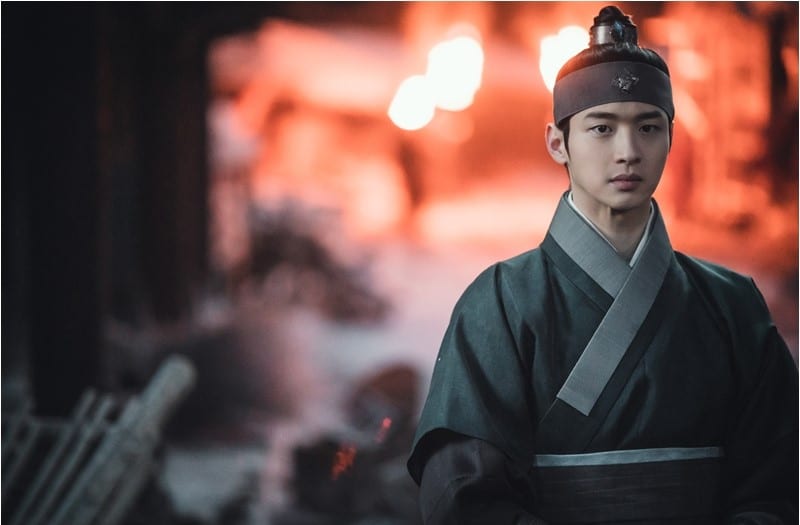
South Koreans are on high alert for Chinese money in the local entertainment industry after the SBS historical drama “Joseon Exorcist” was canceled last month due to cultural appropriation by China and Chinese product placements.
Chinese foods, such as moon cakes and Chinese-style dumplings, and Chinese-style sets and props were used in “Joseon Exorcist”, which was set in Korea’s Joseon Kingdom.
Although the drama was entirely bankrolled by Koreans, the scenes represent growing cultural appropriation by China.
According to a production company marketing official, the production cost per episode is now around 600 million to 700 million won, which is difficult to cover the costs with just local advertisements.
The Chinese are investing in Korean dramas to help its streaming services to expand into countries where K-dramas are popular and to promote their products globally through product placements.
Hoping to replicate that success, Chinese platform iQiyi bought the foreign streaming rights to “Cliffhanger," and numerous Korean dramas.
Last year, Tencent invested 100 billion won in JTBC Studio, which made “The World of the Married” and “Itaewon Class.”'
Earlier this year, tvN’s webtoon-based drama “True Beauty” was criticized for scenes where Korean high school students were eating instant hotpot from Chinese company Zihaiguo, saying the blatant product placement interfered with the viewing experience.
South Koreans also urged a boycott of companies, actors, and staff that invested in the production of “Joseon Exorcist,” labeling them as ignorant of history.













