


 Trump Congratulates Japan’s First Female Prime Minister Sanae Takaichi After Historic Election Victory
  China Overturns Death Sentence of Canadian Robert Schellenberg, Signaling Thaw in Canada-China Relations
  Netanyahu to Meet Trump in Washington as Iran Nuclear Talks Intensify
  Ghislaine Maxwell to Invoke Fifth Amendment at House Oversight Committee Deposition
  U.S. Lawmakers to Review Unredacted Jeffrey Epstein DOJ Files Starting Monday
  Trump Signs Executive Order Threatening 25% Tariffs on Countries Trading With Iran
  Trump Allows Commercial Fishing in Protected New England Waters
  Bangladesh Election 2026: A Turning Point After Years of Political Suppression
  Trump Slams Super Bowl Halftime Show Featuring Bad Bunny
  Trump Administration Appeals Court Order to Release Hudson Tunnel Project Funding
  Nicaragua Ends Visa-Free Entry for Cubans, Disrupting Key Migration Route to the U.S.
  US Pushes Ukraine-Russia Peace Talks Before Summer Amid Escalating Attacks
  Trump Backs Nexstar–Tegna Merger Amid Shifting U.S. Media Landscape
  Trump’s Inflation Claims Clash With Voters’ Cost-of-Living Reality
  India–U.S. Interim Trade Pact Cuts Auto Tariffs but Leaves Tesla Out
  Antonio José Seguro Poised for Landslide Win in Portugal Presidential Runoff


Latin American governments are sharply divided after a surprise U.S. military operation in Venezuela that President Donald Trump said resulted in the capture of longtime leader Nicolas Maduro. The incident has reignited debate across the region over U.S. intervention, sovereignty, and the future of Venezuela, exposing deep ideological rifts among Latin American leaders.
For many countries, the event revives painful memories of 20th-century U.S.-backed interventions that helped install authoritarian regimes in nations such as Chile, Honduras, and elsewhere. At the same time, Maduro had become one of the region’s most isolated and unpopular leaders, presiding over a prolonged economic collapse that triggered one of the world’s largest migration crises. Nearly 8 million Venezuelans have fled since 2018, with most relocating to neighboring Latin American and Caribbean countries, according to the International Organization for Migration.
Recent elections across Latin America have brought a wave of right-leaning governments to power, many campaigning on tougher stances against crime, migration, and leftist movements. Rising concerns over organized crime, including the spread of Venezuela’s Tren de Aragua gang, have further shaped public opinion and political rhetoric.
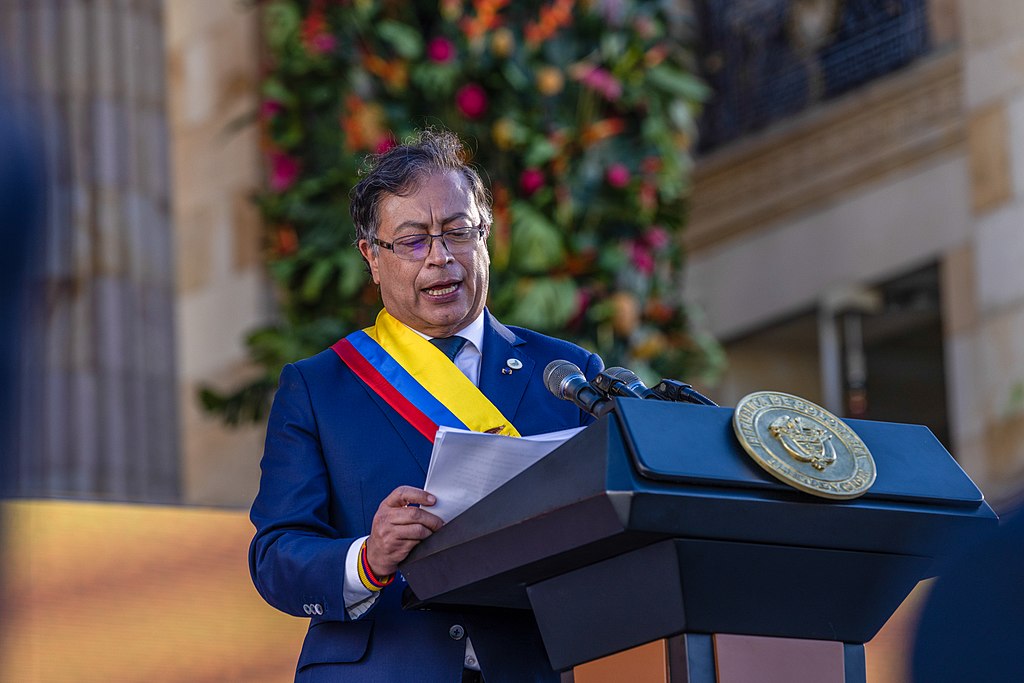
Reactions to Maduro’s capture largely followed ideological lines. Left-wing leaders such as Colombia’s President Gustavo Petro and Brazil’s President Luiz Inácio Lula da Silva strongly condemned the operation, calling it a violation of Venezuela’s sovereignty and an unacceptable escalation. Mexico’s President Claudia Sheinbaum also criticized the U.S. action while emphasizing continued security cooperation with Washington.
In contrast, conservative leaders welcomed the development. Argentina’s President Javier Milei openly supported the move, while Ecuador’s President Daniel Noboa framed it as a blow against what he called “narco-Chavismo.” In Chile, outgoing President Gabriel Boric denounced the attack, while President-elect José Antonio Kast praised Maduro’s arrest and called for accountability across the region.
Analysts say the event marks a turning point in U.S.-Latin America relations, signaling Washington’s renewed willingness to act forcefully in its traditional sphere of influence. Protests both supporting and opposing the action have been announced across major Latin American cities, underscoring how deeply the issue resonates throughout the region.













