


 Israeli Airstrikes in Lebanon’s Bekaa Valley Kill 10, Test Fragile Hezbollah Ceasefire
  Indonesia–U.S. Reciprocal Trade Agreement Signals New Era of Economic Partnership
  Thousands March in Lyon After Killing of Far-Right Activist Quentin Deranque
  Kim Jong Un Claims Economic Recovery as North Korea Opens Ninth Party Congress
  Trump Accuses Obama of Sharing Classified Information About Aliens Without Evidence
  Iran Warns of Retaliation Amid Rising Tensions With U.S., Signals Readiness to Defend Against Military Aggression
  Venezuela Approves Limited Amnesty Bill Amid Hunger Strike and Political Prisoner Debate
  Alberta Referendum on Immigration Sparks Debate Over Provincial Control and Population Growth
  JPMorgan Closes Trump Accounts as $5 Billion Lawsuit Moves to New York
  Australia Denies Plans to Repatriate Citizens from Syrian Islamic State Camp
  Florida Senate Approves Bill to Rename Palm Beach International Airport After Donald Trump
  US Military Buildup Signals Potential Iran Airstrikes as Trump Reviews Options
  Islamic State Claims New Attacks on Syrian Army as Violence Escalates Under President Ahmed al-Sharaa
  Supreme Court Reviews Trump Administration Policies on Tariffs, Immigration, and Federal Power
  Venezuela Amnesty Law Sparks Debate as Over 1,550 Requests Filed and Prisoners Released
  Trump Proposes Ban on Large Investors Buying Single-Family Homes


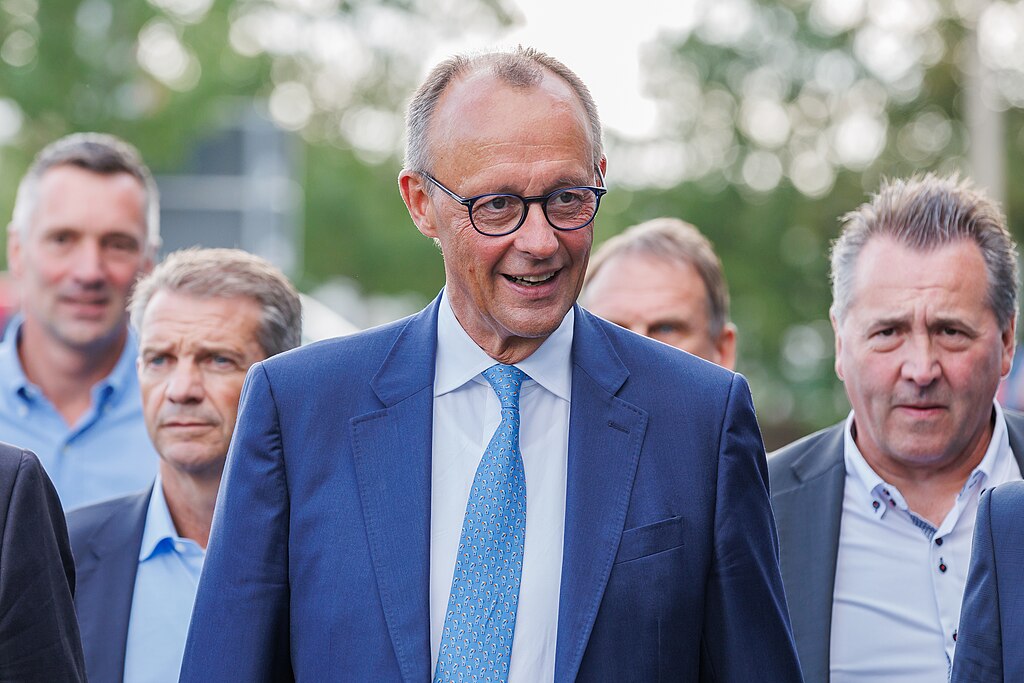
German Chancellor Friedrich Merz has firmly ruled out any additional loosening of Germany’s constitutional borrowing limits, known as the “debt brake,” before the next federal election in 2029. Speaking at the Christian Democratic Union (CDU) party conference in Stuttgart, Merz said taking on more debt would be fiscally irresponsible, reinforcing his government’s commitment to financial discipline.
Merz, who won the federal election in February last year, acted swiftly to ease Germany’s debt brake shortly after taking office. The reform unlocked hundreds of billions of euros in funding aimed at strengthening defense capabilities and upgrading critical infrastructure. The move marked a significant shift in Germany’s fiscal policy, as the debt brake has long been a cornerstone of the country’s commitment to balanced budgets and economic stability.
However, the decision to expand borrowing sparked political backlash, including criticism from within Merz’s own voter base. Opponents argued that increasing public debt could allow for higher day-to-day government spending rather than targeting long-term economic reforms. Critics also warned that without structural changes, the additional funds might fail to address years of underinvestment in Europe’s largest economy.
At the CDU conference, party members passed a motion opposing further reform of the debt brake, signaling broad internal support for maintaining current borrowing limits. Merz emphasized that the government has already taken on substantial debt during the current legislative period and does not plan to expand borrowing further.
“In my view, taking on more debt is irresponsible,” Merz said in an interview with ARD broadcaster. He added that the party’s message is clear: Germany will not pursue additional debt brake reform before 2029.
The debate over Germany’s borrowing limits remains central to discussions about fiscal policy, economic growth, defense spending, and long-term financial sustainability in the eurozone’s largest economy.













