


 DHS Agent Fatally Shoots U.S. Citizen Ruben Ray Martinez During Immigration Enforcement in Texas
  Trump Imposes Temporary 10% Global Tariff After Supreme Court Blocks Earlier Trade Duties
  Iran Warns of Retaliation Amid Rising Tensions With U.S., Signals Readiness to Defend Against Military Aggression
  Islamic State Claims New Attacks on Syrian Army as Violence Escalates Under President Ahmed al-Sharaa
  Kim Jong Un Reviews Five-Year Achievements at North Korea’s Ninth Workers’ Party Congress
  JPMorgan Closes Trump Accounts as $5 Billion Lawsuit Moves to New York
  Supreme Court Reviews Trump Administration Policies on Tariffs, Immigration, and Federal Power
  Yoon Suk Yeol Apologizes After Life Sentence for Martial Law Decree in South Korea
  Trump Approves FEMA Emergency Declaration After Massive Potomac River Sewage Spill
  Pedro Sanchez Challenges U.S. Policy as Spain Navigates Tensions with Trump Administration
  USTR Launches New Section 301 Trade Investigations After Supreme Court Tariff Ruling
  Merz Rejects Further Reform of Germany’s Debt Brake Ahead of 2029 Election
  Belarus Says U.S. Failed to Issue Visas for Trump’s Board of Peace Meeting
  Alberta Referendum on Immigration Sparks Debate Over Provincial Control and Population Growth
  Argentina Labor Reform Vote Sparks Nationwide Strike and Flight Cancellations
  Venezuela Approves Limited Amnesty Bill Amid Hunger Strike and Political Prisoner Debate


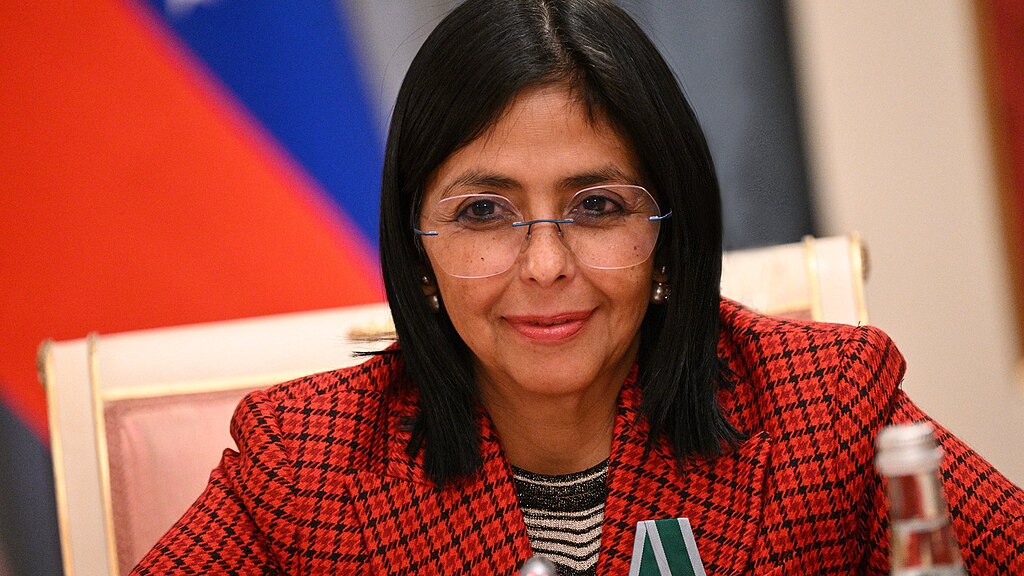
Venezuela’s new amnesty law has generated significant attention after more than 1,550 requests were submitted within days of its approval, according to National Assembly President Jorge Rodriguez. Speaking on state-run television, Rodriguez confirmed that hundreds of prisoners are already being released under the legislation, which was passed Thursday by the ruling party-controlled National Assembly.
The amnesty law comes amid mounting political pressure and international scrutiny. Human rights organizations argue that the measure does not go far enough to address the situation of hundreds of political prisoners in Venezuela. While the government maintains that those detained committed criminal offenses, advocacy groups continue to classify many of them as political prisoners.
Interim President Delcy Rodriguez, who assumed power last month following the U.S.-backed ouster of President Nicolas Maduro, has taken steps that appear aimed at easing tensions with the international community. Her administration has complied with certain Trump administration demands related to oil sales and has authorized the release of hundreds of detainees identified by human rights groups as political prisoners. Venezuelan officials, however, deny the existence of political prisoners, insisting that all arrests were based on legal grounds.
The political shift has also affected high-profile opposition figures. Juan Pablo Guanipa, a prominent opposition politician and close ally of Nobel Peace Prize laureate Maria Corina Machado, recently had his house arrest order lifted. The development was confirmed by his brother, lawmaker Tomas Guanipa, in comments to Reuters.
As Venezuela navigates a complex political transition, the new amnesty law represents a pivotal moment in the country’s ongoing political crisis. Observers are closely monitoring whether the legislation will lead to broader reforms, improve human rights conditions, and reshape Venezuela’s relationship with the United States and the global community.













