


 U.S.-Iran War Escalates: Downed Fighter Jet, Stalled Ceasefire Talks, and Ground Invasion Fears
  MATCH Act Targets ASML and Chinese Chipmakers in New U.S. Export Crackdown
  Trump Administration Sues Three States Over Prediction Market Regulations
  Army Chief of Staff Gen. Randy George Forced Into Immediate Retirement Amid U.S.-Iran War
  Iran's Stranglehold on the Strait of Hormuz: What It Means for Global Markets
  Zelenskyy Offers Ukraine's Naval Drone Expertise to Secure the Strait of Hormuz
  China's Anti-Corruption Purge Reaches New Heights as Politburo Shrinks to 25-Year Low
  UN Confirms Sexual Exploitation Allegations Against Haiti Security Force Members
  Trump Fires Attorney General Pam Bondi Over Epstein Files and Slow Prosecutions
  Russia Unleashes Drone Barrage on Kharkiv, Injuring Child Among Victims
  UN Security Council to Vote on Strait of Hormuz Shipping Resolution Amid China Opposition
  U.S. Strikes on Iran Draw War Crimes Warnings from International Law Scholars
  Trump's White House Ballroom Gets Planning Approval Amid Legal Battle
  Trump Expands Tariffs on Pharmaceuticals and Metals One Year After Liberation Day
  Cuba Announces Release of Over 2,000 Prisoners in Second Amnesty of 2025
  Iran Rejects U.S. Ceasefire Proposal Amid Ongoing Tensions
  Trump Administration Shakeup: Kash Patel, Daniel Driscoll, and Lori Chavez-DeRemer May Exit Cabinet


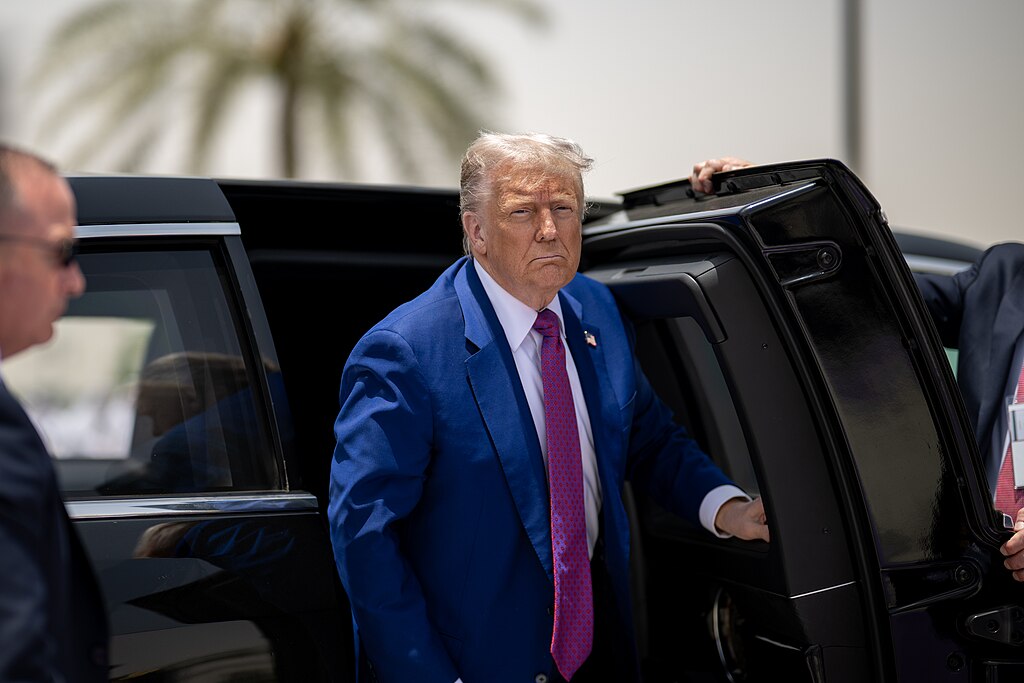
The White House has formally outlined President Donald Trump’s proposal to restrict large-scale real estate investors from purchasing additional single-family homes, according to a report by The Wall Street Journal. In a memo sent to congressional leaders on Thursday, the administration detailed a plan that would prohibit investors who own more than 100 single-family properties from acquiring more homes.
The proposed investor homebuying ban is part of a broader effort by the Trump administration to address rising housing costs and improve housing affordability for American families. Supporters argue that limiting bulk purchases by institutional investors could help ease competition in the housing market, particularly for first-time homebuyers struggling with limited inventory and elevated mortgage rates.
Under the proposal, exemptions would apply to investors who build new homes or undertake substantial renovations specifically for rental housing. The administration’s goal is to encourage the development of additional housing supply while curbing large-scale acquisitions that may contribute to tight market conditions.
For weeks, Trump officials have urged lawmakers to include the investor ban as an amendment to housing legislation currently moving through Congress. However, House Republicans recently approved a housing bill that does not contain the proposed restriction. Meanwhile, the Senate passed its own housing package last fall and is working to negotiate a revised version that can be reconciled with the House bill.
With legislative negotiations ongoing, the administration is now turning its attention to the Senate bill as the most viable vehicle for adding the investor property purchase ban. If adopted, the measure could significantly reshape the real estate investment landscape and influence the future of the U.S. housing market.
As debates continue on Capitol Hill, the proposal is expected to spark discussion among lawmakers, real estate investors, and housing advocates over its potential impact on home prices, housing supply, and market competition.







