


 Jensen Huang Urges Taiwan Suppliers to Boost AI Chip Production Amid Surging Demand
  Silver Prices Plunge in Asian Trade as Dollar Strength Triggers Fresh Precious Metals Sell-Off
  SpaceX Prioritizes Moon Mission Before Mars as Starship Development Accelerates
  Palantir Stock Jumps After Strong Q4 Earnings Beat and Upbeat 2026 Revenue Forecast
  Singapore Budget 2026 Set for Fiscal Prudence as Growth Remains Resilient
  SpaceX Reports $8 Billion Profit as IPO Plans and Starlink Growth Fuel Valuation Buzz
  Nvidia CEO Jensen Huang Says AI Investment Boom Is Just Beginning as NVDA Shares Surge
  Trump’s Inflation Claims Clash With Voters’ Cost-of-Living Reality
  Nvidia Confirms Major OpenAI Investment Amid AI Funding Race
  TSMC Eyes 3nm Chip Production in Japan with $17 Billion Kumamoto Investment
  Vietnam’s Trade Surplus With US Jumps as Exports Surge and China Imports Hit Record
  RBI Holds Repo Rate at 5.25% as India’s Growth Outlook Strengthens After U.S. Trade Deal
  Trump Signs Executive Order Threatening 25% Tariffs on Countries Trading With Iran
  SoftBank and Intel Partner to Develop Next-Generation Memory Chips for AI Data Centers
  Nvidia, ByteDance, and the U.S.-China AI Chip Standoff Over H200 Exports
  AMD Shares Slide Despite Earnings Beat as Cautious Revenue Outlook Weighs on Stock
  Baidu Approves $5 Billion Share Buyback and Plans First-Ever Dividend in 2026


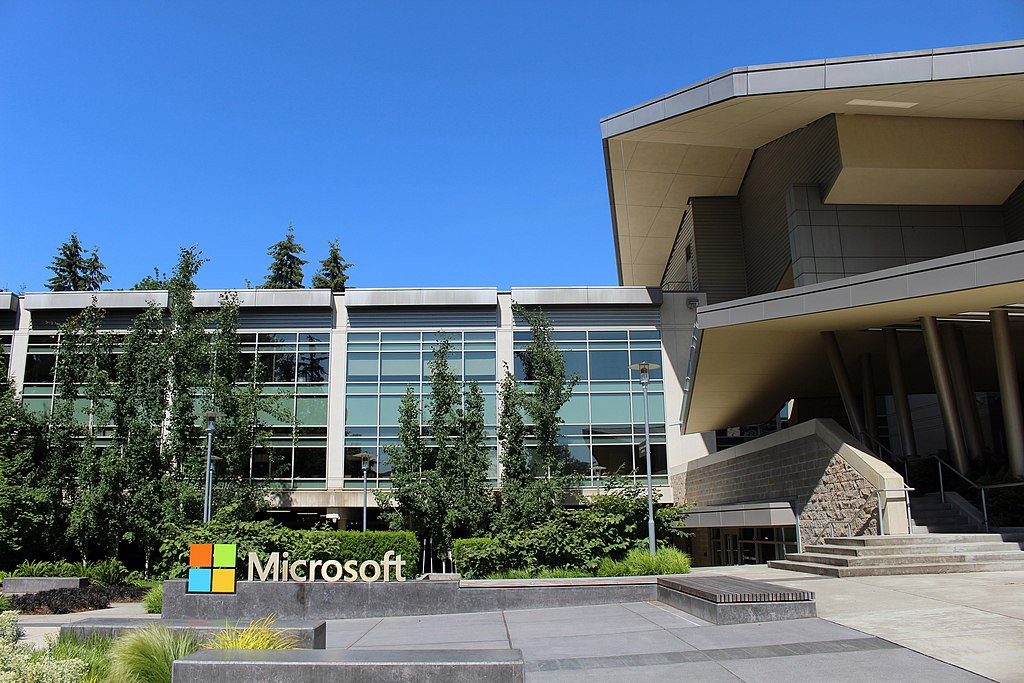
The U.S. government has granted approval for the export of advanced artificial intelligence (AI) chips to a Microsoft-operated facility in the United Arab Emirates (UAE), marking a significant step in Microsoft’s partnership with Emirati AI firm G42. However, the deal has ignited controversy over national security risks and potential technology misuse.
A Controversial Partnership
Microsoft invested $1.5 billion in G42 earlier this year, securing a minority stake and a seat on the firm’s board. The collaboration allows G42 to leverage Microsoft’s cloud services for its AI applications, expanding the UAE’s capabilities in artificial intelligence.
The deal, however, has been under scrutiny by U.S. lawmakers, who raised alarms about G42’s potential ties to China. Lawmakers demanded a comprehensive review of G42’s connections to the Chinese Communist Party, military, and government before the deal could move forward. Concerns revolve around the possibility of U.S. AI technology being transferred to adversarial nations.
To mitigate risks, the export license includes stringent restrictions. Personnel from countries under U.S. arms embargoes, including China, are prohibited from accessing Microsoft’s UAE facility. The license also bars individuals affiliated with the Chinese government or organizations headquartered in China from using the facility.
National Security Implications
The deal highlights growing concerns over the global proliferation of AI technologies. U.S. officials have repeatedly warned of the risks posed by advanced AI systems, which could potentially facilitate the creation of chemical, biological, or nuclear weapons. In October, the Biden administration mandated that developers of large-scale AI systems disclose critical details about their technology to the government, signaling heightened vigilance in this sector.
G42, partially owned by Abu Dhabi’s sovereign wealth fund and chaired by Sheikh Tahnoon bin Zayed Al Nahyan, has attempted to alleviate concerns by emphasizing compliance with U.S. and international AI standards. However, skeptics argue that the restrictions on personnel access may not fully prevent sensitive technology from being misused.
Mixed Reactions Online
The U.S. government’s approval has sparked a flurry of reactions on social media, with users divided over the potential benefits and risks:
- @TechPolicyWatch: “Allowing this deal to proceed is a gamble. What if the AI tech falls into the wrong hands? #NationalSecurity”
- @AIInvestorAlert: “Microsoft is playing with fire. Partnerships like these could backfire in the long run. #G42Deal”
- @MiddleEastMonitor: “This deal strengthens UAE’s AI ambitions. A win for innovation, but at what cost? #AIChips”
- @CyberSecurityGeek: “Restricting access to Chinese personnel is a smart move, but loopholes always exist. #USExportPolicy”
- @GlobalTechObserver: “G42’s ties to China are worrying. How secure is this partnership really? #MicrosoftUAE”
- @InnovateNow: “UAE’s progress in AI is impressive. Let’s hope the safeguards are enough to address security concerns. #AIAdvancement”













