


 Israel Sets October 27 Election as Netanyahu Faces Tough Political Test
  EU Ministers Split as Support Grows for Ban on Trade With Israeli West Bank Settlements
  UN Says Hamas Disrupted Gaza Aid Distribution, Group Denies Allegations
  Iran Says It Closes Strait of Hormuz After Warning Shot at Vessel
  Ukraine, Europe Launch Freyja Missile Shield to Strengthen Air Defense Against Russia
  Trump Tells Congress Iran Hostilities Restarted, Citing New 60-Day War Powers Window
  Iranian Missile Strike on UAE Oil Tankers Kills Indian Crew Member in Strait of Hormuz
  Trump Administration Bars U.S. Travelers From Congo Flights Amid Ebola Outbreak
  Brazil Court Bars Flavio Bolsonaro From Visiting Jair Bolsonaro Ahead of Election
  DOJ Subpoenas New York Times Journalists Over Air Force One Leak Report
  Trump Recommends Darline Graham for Interim South Carolina Senate Seat
  Republican Senator Lindsey Graham Dies at 71, Leaving South Carolina Senate Seat Vacant
  Iraq PM Visits Washington as U.S. Oil, Gas Deals Take Center Stage
  Minnesota Wildfires Spread as Governor Tim Walz Deploys National Guard
  Western Allies Push for More Air Defenses for Ukraine at Paris Summit
  Trump, Canada Reach Gordie Howe Bridge Deal Ahead of July 27 Opening
  EU to Propose New Rules Limiting Children's Access to Social Media


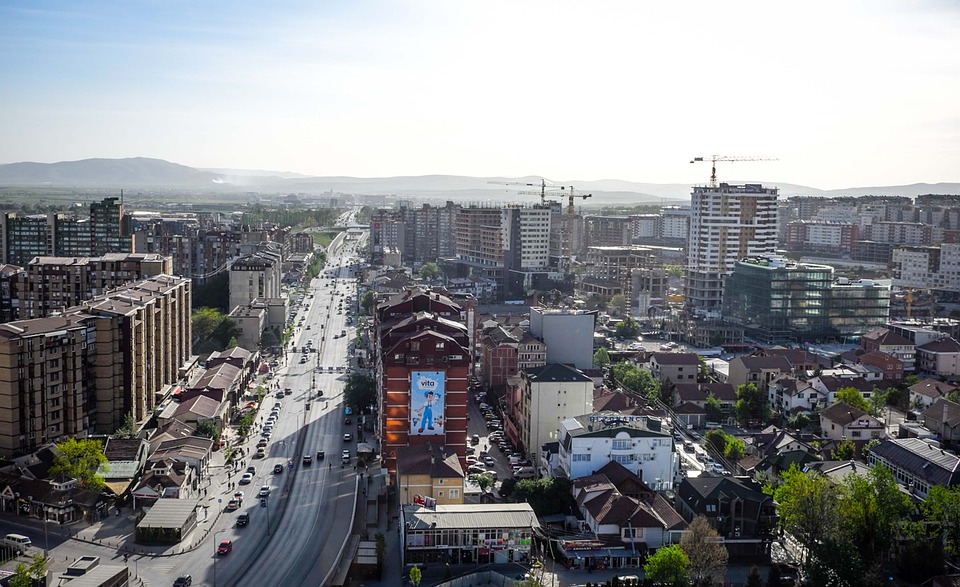
A few nations in the Balkan region are growing concerned regarding the ongoing conflict in Russia as it continues its offensive on Ukraine. The nations of Kosovo, Bosnia, and Herzegovina are now calling for membership in the NATO alliance.
The leaders of Kosovo, Bosnia, and Herzegovina are calling to join the alliance, citing that joining NATO would preserve security in the region. This comes as the ongoing invasion of Ukraine has led to fears that the war may spread out into the Western Balkan region. To note, Russia’s advances in the region have been widely documented over the years and included the attempts to stage a coup in Montenegro and North Macedonia before they became NATO members in 2017 and 2020.
Bosnian defense minister Sifet Podzic said the country is participating in the Membership Action Plan, which is believed to be the “last step before gaining membership” in the alliance. However, much like with Ukraine, Russia has opposed Bosnia’s aspiration to join the alliance. The Russian embassy in Bosnia’s capital Sarajevo said last year that Moscow may respond should the nation proceed with joining the alliance.
Kosovo President Vjosa Osmani viewed the Russian ambassador’s remarks in an interview that aired on Bosnian television as Russia having a “destructive interest in our region.”
“They especially have an interest in attacking Kosovo, Bosnia, and Herzegovina and to some extent also Montenegro,” Osmani told Al Jazeera.
Bosnia and Kosovo have suffered killings by Serbian forces back in the 1990s during the administration of Serbian President Slobodan Milosevic, and both nations have sought to join the NATO alliance. Both nations are also the last non-NATO members in the region aside from Serbia. Serbia sees NATO as an enemy.
Back in March, NATO allies have agreed to ramp up the alliance’s eastern flank with four additional battle units and send further assistance to Ukraine as it continues its resistance against Russian forces.
“Today, NATO leaders agreed to reset our deterrence and defense for the longer term to face a new security reality,” NATO Secretary-General Jens Stoltenberg told reporters at the time following a meeting in Brussels.







