


 Nasdaq Proposes Fast-Track Rule to Accelerate Index Inclusion for Major New Listings
  SoftBank and Intel Partner to Develop Next-Generation Memory Chips for AI Data Centers
  Missouri Judge Dismisses Lawsuit Challenging Starbucks’ Diversity and Inclusion Policies
  Rio Tinto Shares Hit Record High After Ending Glencore Merger Talks
  Elon Musk’s Empire: SpaceX, Tesla, and xAI Merger Talks Spark Investor Debate
  Tencent Shares Slide After WeChat Restricts YuanBao AI Promotional Links
  Washington Post Publisher Will Lewis Steps Down After Layoffs
  Nintendo Shares Slide After Earnings Miss Raises Switch 2 Margin Concerns
  Instagram Outage Disrupts Thousands of U.S. Users
  Trump Backs Nexstar–Tegna Merger Amid Shifting U.S. Media Landscape
  Prudential Financial Reports Higher Q4 Profit on Strong Underwriting and Investment Gains
  Once Upon a Farm Raises Nearly $198 Million in IPO, Valued at Over $724 Million
  Palantir Stock Jumps After Strong Q4 Earnings Beat and Upbeat 2026 Revenue Forecast
  Global PC Makers Eye Chinese Memory Chip Suppliers Amid Ongoing Supply Crunch
  Amazon Stock Rebounds After Earnings as $200B Capex Plan Sparks AI Spending Debate
  SpaceX Prioritizes Moon Mission Before Mars as Starship Development Accelerates
  FDA Targets Hims & Hers Over $49 Weight-Loss Pill, Raising Legal and Safety Concerns


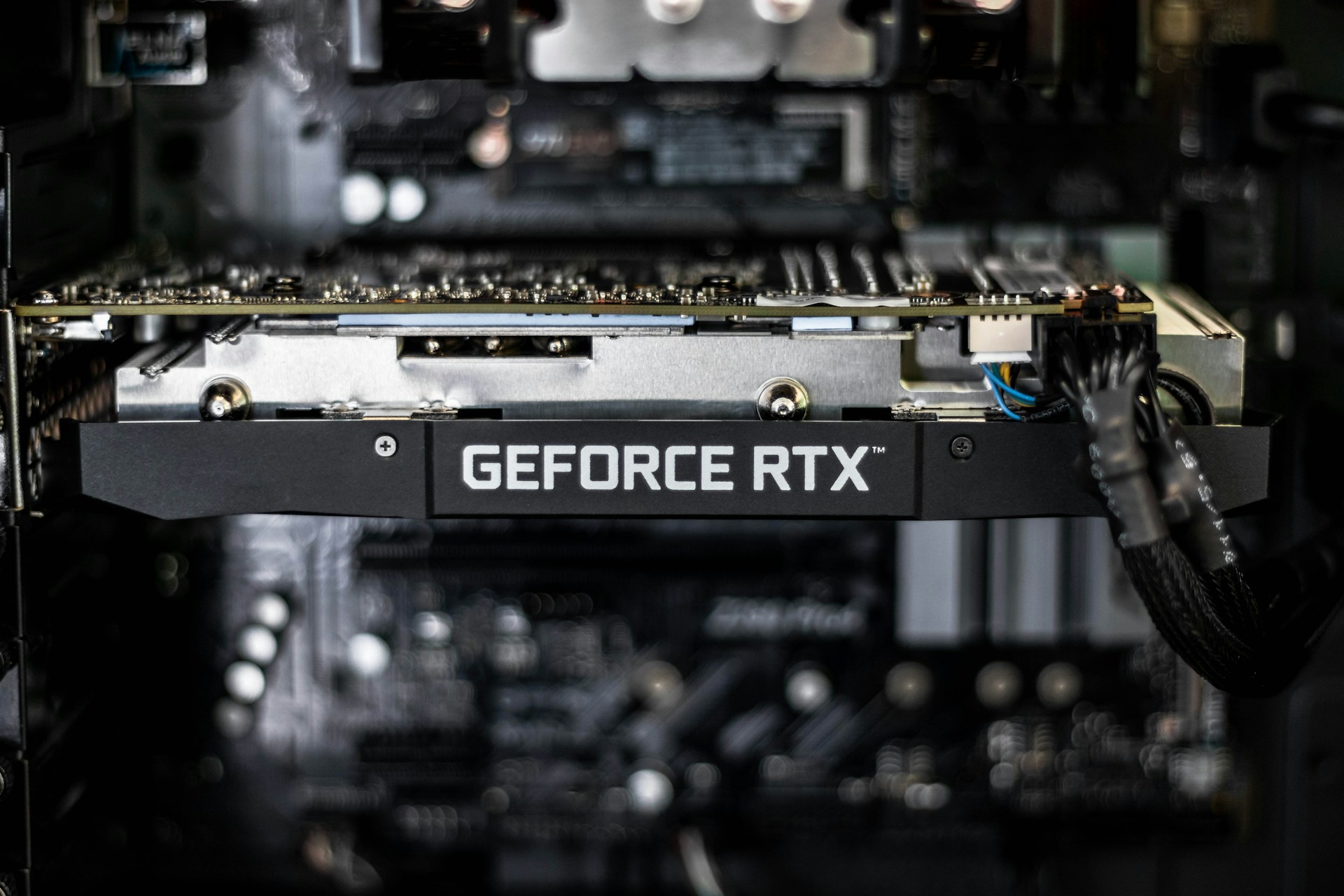
AMD and NVIDIA have reportedly locked in all of TSMC’s Chip-on-Wafer-on-Substrate (CoWoS) manufacturing capacity for the next two years. This strategic acquisition aims to propel their respective advances in artificial intelligence technologies.
AMD and NVIDIA Reserve TSMC's Full CoWoS Capacity to Fuel AI Innovations
In a recent report by Wccftech, AMD and NVIDIA have reportedly secured TSMC's entire Chip-on-Wafer-on-Substrate (CoWoS) manufacturing capacity for the next two years, reflecting the intense competition in the AI sector.
The demand for computational power in AI is well-known, and companies like NVIDIA and AMD are leveraging every advantage to capitalize on the market opportunities.
Consequently, TSMC is experiencing a surge in demand, not just from these orders but also from the expansion of its manufacturing capabilities, especially in advanced packaging technologies such as CoWoS and the newer System on Integrated Chips (SoIC).
According to the Taiwan Economic Daily, AMD and NVIDIA's bookings encompass all available CoWoS capacity at TSMC. NVIDIA is utilizing this technology for its Hopper and the upcoming Blackwell GPUs, while AMD is applying it to its MI300 accelerators. In anticipation of continued high demand, the Taiwanese semiconductor giant is planning significant expansions.
By the end of the year, TSMC expects to ramp up its production capacity to between 45,000 and 55,000 units, indicating substantial growth year-over-year and underscoring the robust demand within the industry.
TSMC Expands Next-Gen SoIC Production, Predicting Surge in High-Performance Computing Demand
In addition to CoWoS, TSMC is also focusing on expanding its SoIC offerings, which are expected to produce 5,000 to 6,000 units initially. SoIC represents the next generation of CoWoS, featuring enhanced stacking density and ultra-high bandwidth, making it particularly suitable for high-performance computing (HPC) applications.
While NVIDIA has not yet incorporated SoIC into its current AI designs, AMD has already implemented this advanced technology in its flagship Instinct MI300 AI accelerators.
With projected increases in demand, TSMC's SoIC production is expected to reach 10,000 units by 2025. This expansion signifies a shift towards future chip packaging standards, potentially opening new opportunities for TSMC and the broader semiconductor industry.
The future of chip packaging, as predicted by TSMC, appears to hinge significantly on the adoption and development of the SoIC standard.
Photo: Christian Wiediger/Unsplash













