


 TrumpRx Website Launches to Offer Discounted Prescription Drugs for Cash-Paying Americans
  Missouri Judge Dismisses Lawsuit Challenging Starbucks’ Diversity and Inclusion Policies
  Hims & Hers Halts Compounded Semaglutide Pill After FDA Warning
  OpenAI Expands Enterprise AI Strategy With Major Hiring Push Ahead of New Business Offering
  Toyota’s Surprise CEO Change Signals Strategic Shift Amid Global Auto Turmoil
  Uber Ordered to Pay $8.5 Million in Bellwether Sexual Assault Lawsuit
  SpaceX Prioritizes Moon Mission Before Mars as Starship Development Accelerates
  SpaceX Pushes for Early Stock Index Inclusion Ahead of Potential Record-Breaking IPO
  Washington Post Publisher Will Lewis Steps Down After Layoffs
  Nasdaq Proposes Fast-Track Rule to Accelerate Index Inclusion for Major New Listings
  TSMC Eyes 3nm Chip Production in Japan with $17 Billion Kumamoto Investment
  Anta Sports Expands Global Footprint With Strategic Puma Stake
  Kroger Set to Name Former Walmart Executive Greg Foran as Next CEO
  Rio Tinto Shares Hit Record High After Ending Glencore Merger Talks
  Trump Backs Nexstar–Tegna Merger Amid Shifting U.S. Media Landscape
  Global PC Makers Eye Chinese Memory Chip Suppliers Amid Ongoing Supply Crunch


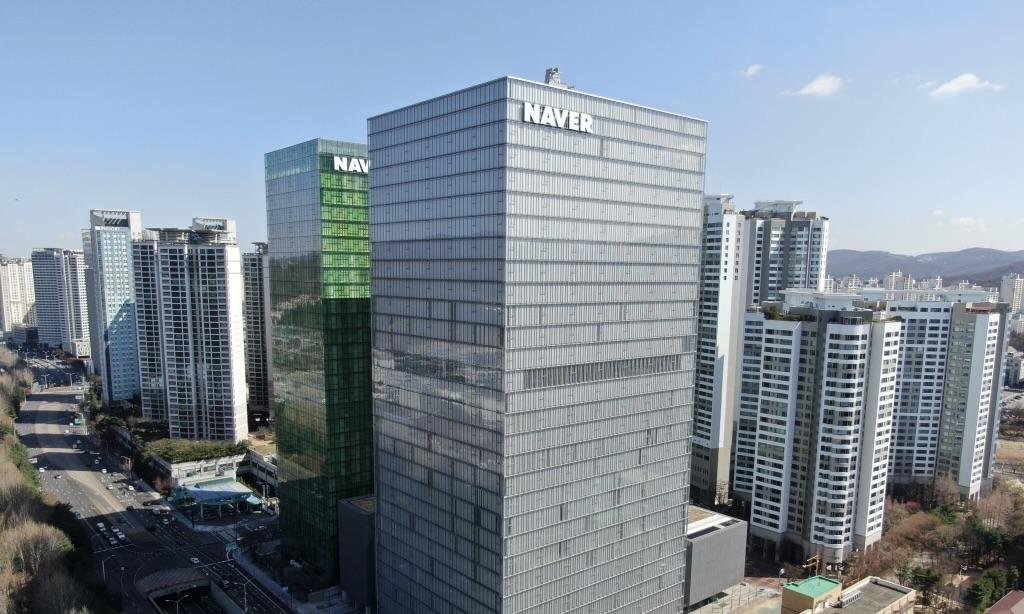
Naver shares are taking a hit as AliExpress poses a significant threat to the e-commerce landscape. The Chinese platform's ultra-cheap sales strategy lures shoppers away from Naver's online retail platform, causing concern among industry analysts.
Naver Shares Under Pressure as Investor Concerns Rise
In recent weeks, investors have been facing mounting worries over the future of Naver. AliExpress's aggressive expansion plans in Korea have intensified these concerns. The once-stable shares of Korea's leading internet platform operator have seen a downward trend, reflecting the impact of AliExpress' growing influence.
Strategic Responses Considered
Korea Times reported that despite the decline in share prices, Naver is not sitting idle. The company has begun to implement strategic measures to bolster its competitive edge. These efforts include enhancing its user interface for a more seamless shopping experience, investing in AI to personalize customer interactions, and expanding logistics capabilities for faster delivery times.
Naver's response demonstrates its commitment to retaining its customer base and adapting to the challenges posed by global e-commerce giants like AliExpress.
Additionally, there are rumors that Naver is expanding its product range and exploring partnerships with local and international brands to increase its competitive edge. These moves aim to bolster Naver's appeal to consumers and retain its market share in an increasingly competitive e-commerce landscape.
Market Analysts' Perspective
The battle for dominance in the e-commerce market between Naver and AliExpress isn't just isolated to corporate maneuvers; it presents broader implications for the entire industry. Market analysts suggest that the pressure on Naver could lead to an all-out price war, a scenario that, while potentially beneficial for consumers, could squeeze profit margins for both giants.
Furthermore, some see this as a pivotal moment for the e-commerce sector in Korea, with the outcome potentially setting new standards for consumer expectations regarding price, delivery speed, and service quality. This situation exemplifies the dynamic nature of the digital marketplace, where innovation and strategic adaptation decide the victors.
Domestic counterparts such as Naver Shopping, Gmarket, 11Street, and Coupang are on high alert as Chinese e-commerce companies step up their efforts, Korea Joongang Daily noted last month. A significant amount of their total revenue comes from their open market platforms' sales and transaction volumes, so there are worries that a slowdown among local sellers could also affect those.
Photo: Samsung Newsroom













