


 Anthropic Eyes $350 Billion Valuation as AI Funding and Share Sale Accelerate
  How to support someone who is grieving: five research-backed strategies
  Trump Draws Cheers at Ryder Cup as U.S. Trails Europe After Opening Day
  AI is driving down the price of knowledge – universities have to rethink what they offer
  Fed Governor Lisa Cook Warns Inflation Risks Remain as Rates Stay Steady
  Toyota’s Surprise CEO Change Signals Strategic Shift Amid Global Auto Turmoil
  Trump Signs Executive Order Threatening 25% Tariffs on Countries Trading With Iran
  Nvidia Nears $20 Billion OpenAI Investment as AI Funding Race Intensifies
  Extreme heat, flooding, wildfires – Colorado’s formerly incarcerated people on the hazards they faced behind bars
  Trump Endorses Japan’s Sanae Takaichi Ahead of Crucial Election Amid Market and China Tensions
  OpenAI Expands Enterprise AI Strategy With Major Hiring Push Ahead of New Business Offering
  Why the Australian Open’s online tennis coverage looks like a Wii sports game
  Trump Urges Hall of Fame Induction for Roger Clemens Amid Renewed Debate
  Debate over H-1B visas shines spotlight on US tech worker shortages
  Japanese Pharmaceutical Stocks Slide as TrumpRx.gov Launch Sparks Market Concerns


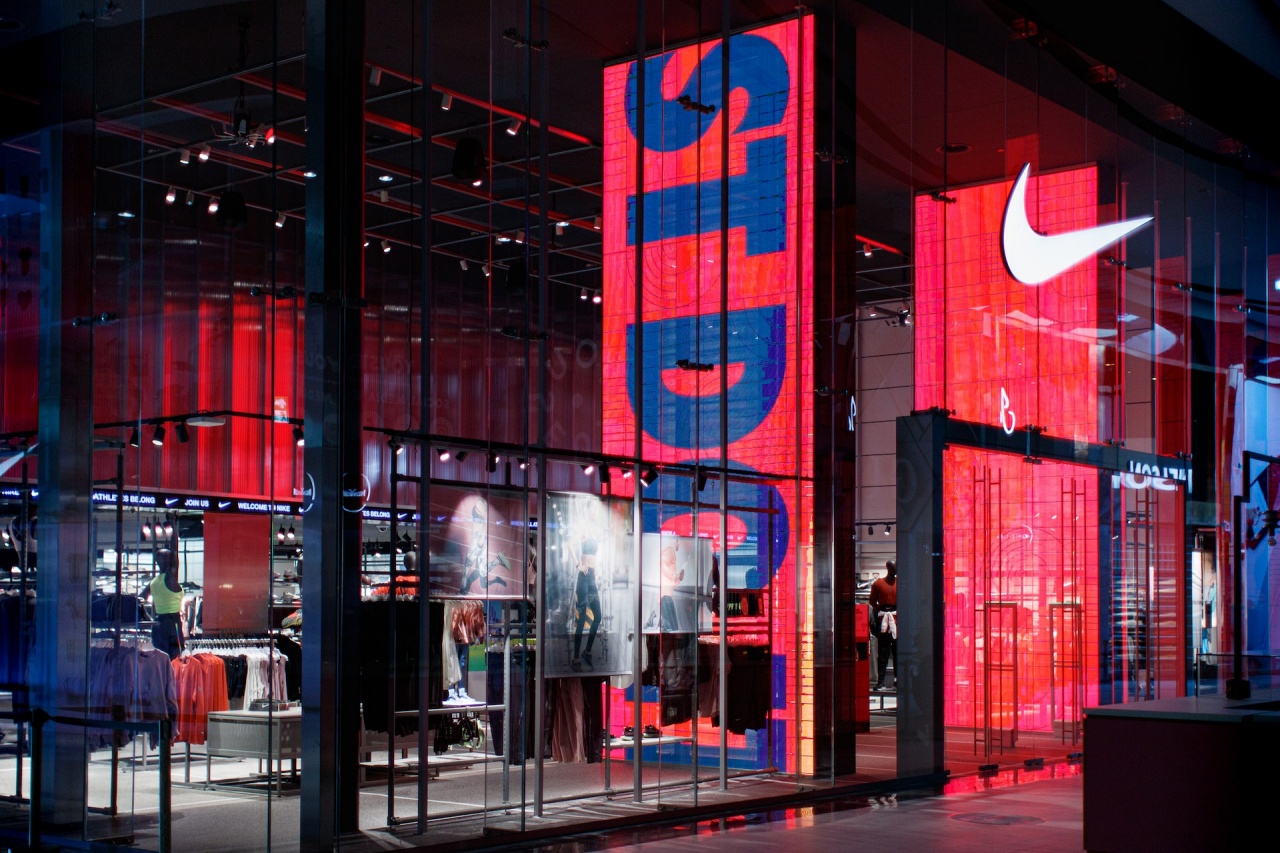
Nike's Q1 profit surpassed Wall Street's forecasts, buoyed by higher footwear and apparel prices. Despite the surge, revenue trailed analysts' expectations, nudging shares up 8% in extended trading.
Additionally, Nike forecasted a 100 basis point increase in gross margins for the second quarter, a welcome change after six consecutive quarters of declines. This positive projection is anticipated due to fewer planned markdowns and reduced freight costs.
Reflecting effective inventory management, Nike's inventories experienced a 10% decrease in the quarter that ended August 31, according to a report by Barrons. This reduction indicates the company's triumph in minimizing excess products 'ahead of the holiday season. Consequently, investor concerns regarding the need for significant discounts were alleviated.
Focus on Everyday Runners
Yahoo Finance reported that Nike's Chief Financial Officer, Matthew Friend, expressed the company's intention to capitalize on the consumer momentum surrounding running and modern comfort. Emphasizing the importance of strategic product offerings, Nike aims to leverage popular sneaker series such as Air Max 1, Infinity, and V2K to meet the increasing demand for running shoes.
To augment market presence, Nike plans to refresh its basketball shoe portfolio across the Nike and Jordan brands. This revamping effort encompasses enhancements in style and emphasizes the newly introduced Kobe brand.
Despite its success, Nike confronts challenges from various fronts. Notably, the Jordan brand, which has been a significant profit generator, faces challenges as the resale value of some shoes declines on platforms like StockX, as noted by EconoTimes. Additionally, Nike faces competition from other sports shoe brands, including Hoka, On Running, and Salomon, as consumers increasingly gravitate towards performance-oriented footwear.
In response to evolving market dynamics, Nike CEO John Donahoe emphasized the company's focus on prioritizing the everyday runner while expanding its reach through various channels, including specialty running stores. This approach aims to strengthen Nike's connection with consumers.
Annual Forecasts and Second-Quarter Outlook
Maintaining its annual forecasts, Nike anticipates a slight increase in second-quarter revenue. Analysts' predictions suggest a 2.1% rise to $13.59 billion.
With total revenue of $12.94 billion in the first quarter, Nike fell slightly short of analysts' estimates of $12.98 billion. However, analysts acknowledged Nike's pricing power, highlighting the company's ability to avoid severe discounting compared to some competitors during this year's holiday season.
Photo: Craig Lovelidge/Unsplash













