


 Nvidia Confirms Major OpenAI Investment Amid AI Funding Race
  SoftBank Shares Slide After Arm Earnings Miss Fuels Tech Stock Sell-Off
  Sony Q3 Profit Jumps on Gaming and Image Sensors, Full-Year Outlook Raised
  Baidu Approves $5 Billion Share Buyback and Plans First-Ever Dividend in 2026
  SpaceX Reports $8 Billion Profit as IPO Plans and Starlink Growth Fuel Valuation Buzz
  Elon Musk’s Empire: SpaceX, Tesla, and xAI Merger Talks Spark Investor Debate
  Global PC Makers Eye Chinese Memory Chip Suppliers Amid Ongoing Supply Crunch
  OpenAI Expands Enterprise AI Strategy With Major Hiring Push Ahead of New Business Offering
  Palantir Stock Jumps After Strong Q4 Earnings Beat and Upbeat 2026 Revenue Forecast
  Elon Musk’s SpaceX Acquires xAI in Historic Deal Uniting Space and Artificial Intelligence
  Google Cloud and Liberty Global Forge Strategic AI Partnership to Transform European Telecom Services
  Nvidia CEO Jensen Huang Says AI Investment Boom Is Just Beginning as NVDA Shares Surge
  Nintendo Shares Slide After Earnings Miss Raises Switch 2 Margin Concerns
  TSMC Eyes 3nm Chip Production in Japan with $17 Billion Kumamoto Investment
  Nvidia, ByteDance, and the U.S.-China AI Chip Standoff Over H200 Exports


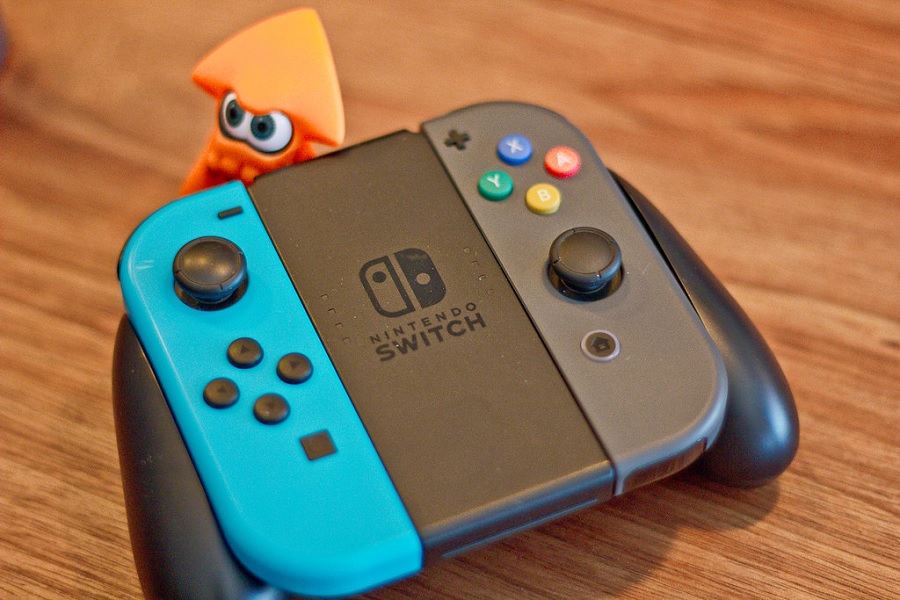
This year marks the start of a new generation for gaming consoles, except for Nintendo. In a recent conference, the video game company reiterated its plans of prolonging the life cycle of its flagship console. This means a “Nintendo Switch 2” should not be expected anytime soon.
Why Nintendo is not rushing to replace the Nintendo Switch
It can be recalled that the latter part of 2019 was filled with claims and speculations that Nintendo would join Sony and Microsoft in launching next-generation consoles in 2020. But that was immediately dismissed by the company with a clear statement that there will be “no … new Nintendo Switch 2 model” arriving this year.
The next question would then be, when should fans expect the next console from Nintendo? The simple answer is not anytime soon, and the video game giant made that clear once more during the 80th Annual General Meeting of Shareholders.
When asked about the next Nintendo Switch, Nintendo President Shuntaro Furukawa went on to explain why they think the portable console’s “momentum is increasing” four years since it was launched. Furukawa said one of the factors of this success is having their development resources all focused on just one gaming system. With that, Furukawa added, “We want to extend the life cycle of Nintendo Switch while maximizing such advantages.”
When to expect Nintendo Switch 2?
That was not the first time Furukawa made pronouncements about having the Nintendo Switch as the flagship console for a longer period. In another conference with investors earlier this year, the company executive said (translation via VGC), “By placing our main focus on the Nintendo Switch, we feel we can have a very different (longer) hardware life cycle than previous Nintendo consoles.”
Looking back to the release dates of previous Nintendo consoles, it can be said that Nintendo Switch is just around half its life cycle. Previous Nintendo systems were in the market for 5 to 7 years before their successors were launched: NES came out in 1983; SNES in 1990; Nintendo 64 arrived in 1996; GameCube in 2001; Wii was released in 2006; and Wii U was announced in 2012.
The Nintendo Switch was announced in March 2017, so Nintendo's history would suggest that a next-generation console might be unveiled between 2022 and 2024. But considering Nintendo's recent statement about extending its life cycle, the way for the so-called Nintendo Switch 2 might even be much longer.













