


 SoftBank Shares Slide After Arm Earnings Miss Fuels Tech Stock Sell-Off
  Japan Economy Poised for Q4 2025 Growth as Investment and Consumption Hold Firm
  Anta Sports Expands Global Footprint With Strategic Puma Stake
  FDA Targets Hims & Hers Over $49 Weight-Loss Pill, Raising Legal and Safety Concerns
  OpenAI Expands Enterprise AI Strategy With Major Hiring Push Ahead of New Business Offering
  American Airlines CEO to Meet Pilots Union Amid Storm Response and Financial Concerns
  Russian Stocks End Mixed as MOEX Index Closes Flat Amid Commodity Strength
  Global PC Makers Eye Chinese Memory Chip Suppliers Amid Ongoing Supply Crunch
  Japanese Pharmaceutical Stocks Slide as TrumpRx.gov Launch Sparks Market Concerns
  TrumpRx Website Launches to Offer Discounted Prescription Drugs for Cash-Paying Americans
  Yen Slides as Japan Election Boosts Fiscal Stimulus Expectations
  Nvidia CEO Jensen Huang Says AI Investment Boom Is Just Beginning as NVDA Shares Surge
  Global Markets Slide as AI, Crypto, and Precious Metals Face Heightened Volatility
  Uber Ordered to Pay $8.5 Million in Bellwether Sexual Assault Lawsuit
  Gold and Silver Prices Climb in Asian Trade as Markets Eye Key U.S. Economic Data
  Australian Pension Funds Boost Currency Hedging as Aussie Dollar Strengthens
  South Africa Eyes ECB Repo Lines as Inflation Eases and Rate Cuts Loom


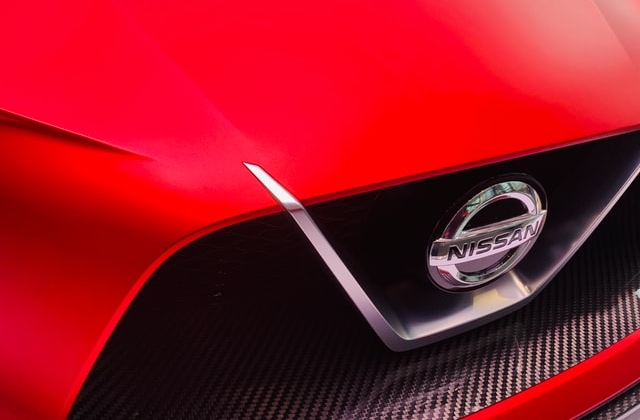
Nissan Motor Company, Ltd., the Japanese automaker headquartered in Nishi-Ku, Yokohama, Japan, was forced to close down its plant in Smyrna, Tennessee, as there is not enough supply of semiconductor parts.
The chip shortage at the said Nissan plant caused a 2-week closure that already started on Monday. The 6 million-square-foot factory in Tennessee has 6,700 employees, and apparently, they will be affected by the halt of production.
According to Fox Business, this will be the longest shutdown among the vehicle manufacturing factories in the United States. Nissan cited the COVID-19 outbreak in Malaysia as the cause of the chip shortage it is experiencing now.
A semiconductor plant in Malaysia that supplies computer chips to the company was plagued with coronavirus infections of its workers; thus, it had to close as well. It was reported that production is expected to resume on Aug. 30.
Sam Abuelsamid, an analyst at Guidehouse Research, said that the latest shutdown of the massive Nissan factory just shows that the chip shortage is not ending soon. Many tech and auto companies have hoped the semiconductor supply will return to normal before this year ends, but it seems that this is not the case at all. "It’s looking like it’s going to stretch at least into the new year," he said.
The affected vehicles in the most recent production halt at Nissan are the Rogue SUV and six other models, including the pickup trucks. The small SUV is said to be the company’s top-selling vehicle model in the U.S.
The Detroit News reported that the chip shortage was starting to get better, however, the Delta COVID-19 variant struck, and it is causing problems again. This new variant is worse, so the business may slow down again instead of starting to pick up.
Phil Amsrud, IHS Markit’s senior principal analyst, studies the chip market and said that the chip shortage leading to factory closures may drive prices to increase. In any case, he added that the growing demand has also played a part in chip shortage since more vehicles are being made. Then again, despite the situation, hopes for the end of chip shortage are still high among business owners.













