


 Global Markets Slide as AI, Crypto, and Precious Metals Face Heightened Volatility
  Washington Post Publisher Will Lewis Steps Down After Layoffs
  Asian Currencies Stay Rangebound as Yen Firms on Intervention Talk
  TrumpRx Website Launches to Offer Discounted Prescription Drugs for Cash-Paying Americans
  Missouri Judge Dismisses Lawsuit Challenging Starbucks’ Diversity and Inclusion Policies
  Kroger Set to Name Former Walmart Executive Greg Foran as Next CEO
  UK Starting Salaries See Strongest Growth in 18 Months as Hiring Sentiment Improves
  Trump Backs Nexstar–Tegna Merger Amid Shifting U.S. Media Landscape
  Gold and Silver Prices Slide as Dollar Strength and Easing Tensions Weigh on Metals
  Weight-Loss Drug Ads Take Over the Super Bowl as Pharma Embraces Direct-to-Consumer Marketing
  SoftBank Shares Slide After Arm Earnings Miss Fuels Tech Stock Sell-Off
  Indian Refiners Scale Back Russian Oil Imports as U.S.-India Trade Deal Advances
  Rise of the Zombie Bugs takes readers on a jaw-dropping tour of the parasite world
  SpaceX Pivots Toward Moon City as Musk Reframes Long-Term Space Vision
  Ukraine minerals deal: the idea that natural resource extraction can build peace has been around for decades
  GesiaPlatform Launches Carbon-Neutral Lifestyle App ‘Net Zero Heroes’


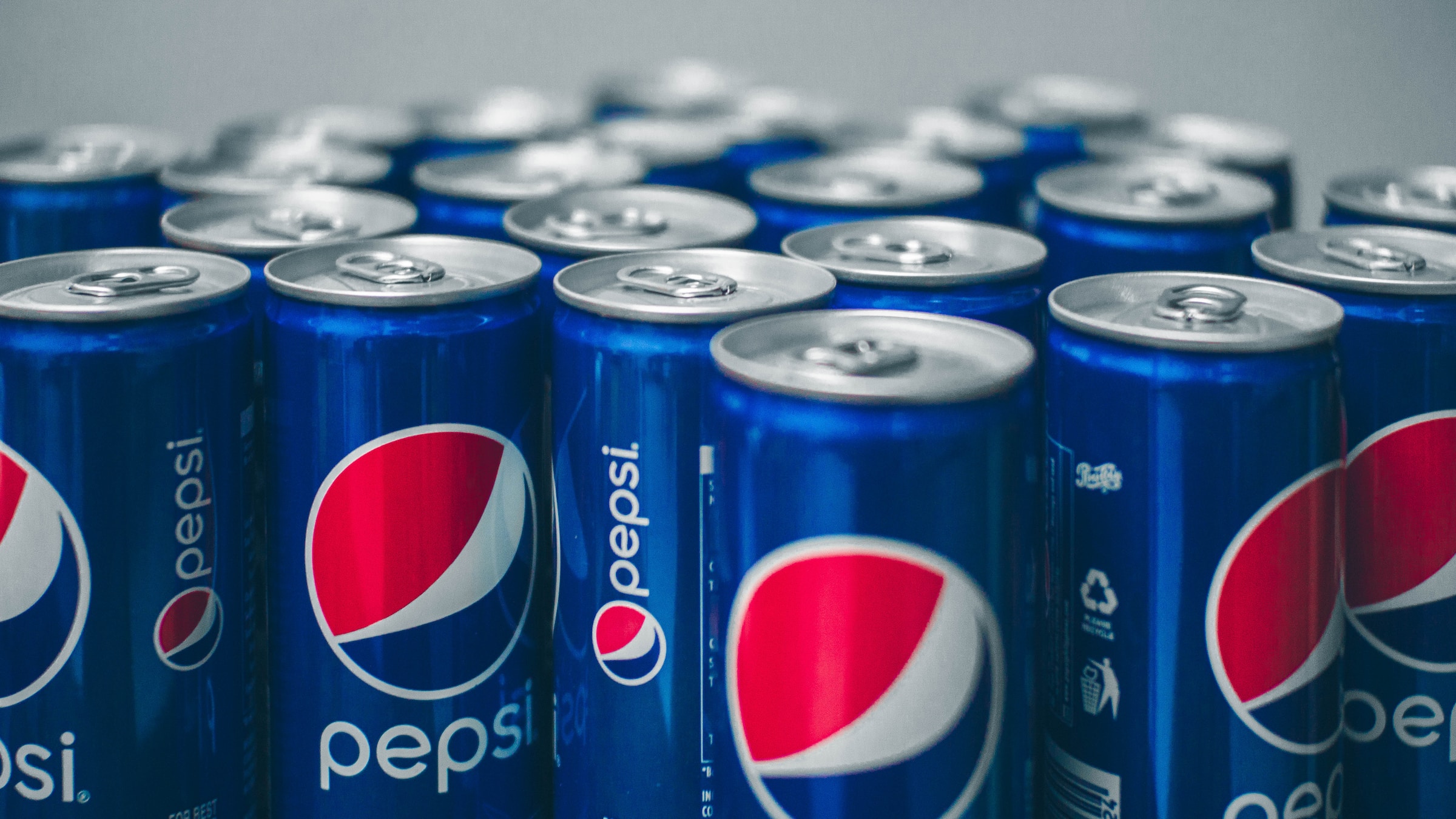
PepsiCo has inaugurated a €222.6 million state-of-the-art facility in Swiatem, Poland, touted as the beverage giant's most environmentally sustainable and innovative plant in the European Union. The facility showcases advanced production lines, an extensive recycling system, and significant steps toward achieving zero net emissions.
The €222.6 million facility, the beverage giant's fifth production plant, consists of three technologically advanced, energy-efficient production lines.
Of the amount, PepsiCo allocated 28.2 million for environmental solutions. Sixty percent of the building's total heat requirement is met by the three megawatts of power provided by the production lines. In addition, a 3.2-megawatt electric steam boiler that greatly lowers the facility's carbon footprint also produces energy.
Two lines will produce 12,500 packets of Lay's potato chips per hour, while a third will produce 30,000 packs of Doritos nachos. The brand will be produced in Poland. The plant uses 100% of the biogas generated from natural resource-based product production and a heat recovery system from potato frying.
PepsiCo added that it would continue to invest in environmentally friendly solutions for the facility, including wind turbines, a decentralized biogas plant that utilizes leftover biomass, and the expansion of the treatment plant to produce biofertilizer. The company said it aims for the facility to achieve zero net emissions by 2035.
According to PepsiCo, the facility also uses an above-ground tank to collect and recover rainwater for recycling. This process entails purifying and desalting the collected rainwater in a nanofiltration system for use in technological processes, like the cooling cycle, and then releasing it back into the atmosphere.
Water from potato cutting, which is used for the first potato rinse, and hot water from the cooking oil cooling process are two more ways the facility recycles water. Chillers, an absorption technology that converts heat from the environment into cold air to ventilate the production space, are another environmentally beneficial water resource that the facility has implemented, according to PepsiCo.
The plant, which will be operational in 2026, contributes to the expansion of the product range and scale of production for 20 European countries.
Silviu Popovici, president of PepsiCo Europe, noted that Poland has great development potential and that they have been investing in the country for 30 years for its strategic importance.
Photo: Ja San Miguel/Unsplash













