


 Elon Musk Ties SpaceX IPO Access to Mandatory Grok AI Subscriptions
  Europe's Aviation Sector on Track to Meet 2025 Green Fuel Mandate
  TSMC Japan's Second Fab to Produce 3nm Chips by 2028
  Trump Administration Plans 100% Tariffs on Pharmaceutical Imports
  NASA's Artemis II Mission: First Crewed Lunar Journey Since Apollo
  SpaceX Eyes Historic IPO at $1.75 Trillion Valuation
  Golden Dome Missile Defense: Anduril and Palantir Join Forces on Trump's $185B Space Shield
  Chinese Universities with PLA Ties Found Purchasing Restricted U.S. AI Chips Through Super Micro Servers
  Cybersecurity Stocks Tumble After Anthropic's Claude Mythos AI Leak Sparks Market Fears
  Meta Ties Executive Pay to Aggressive Stock Price Targets in Major Retention Push
  Microsoft Eyes $7B Texas Energy Deal to Power AI Data Centers
  Rubio Directs U.S. Diplomats to Use X and Military Psyops to Counter Foreign Propaganda
  Jefferies Upgrades Sodexo to Buy With €55 Target After Historic CEO Appointment
  Private Credit Under Pressure: Is a Slow-Motion Crisis Unfolding?
  Star Entertainment Secures $390M Refinancing Deal to Stabilize Operations
  MATCH Act Targets ASML and Chinese Chipmakers in New U.S. Export Crackdown


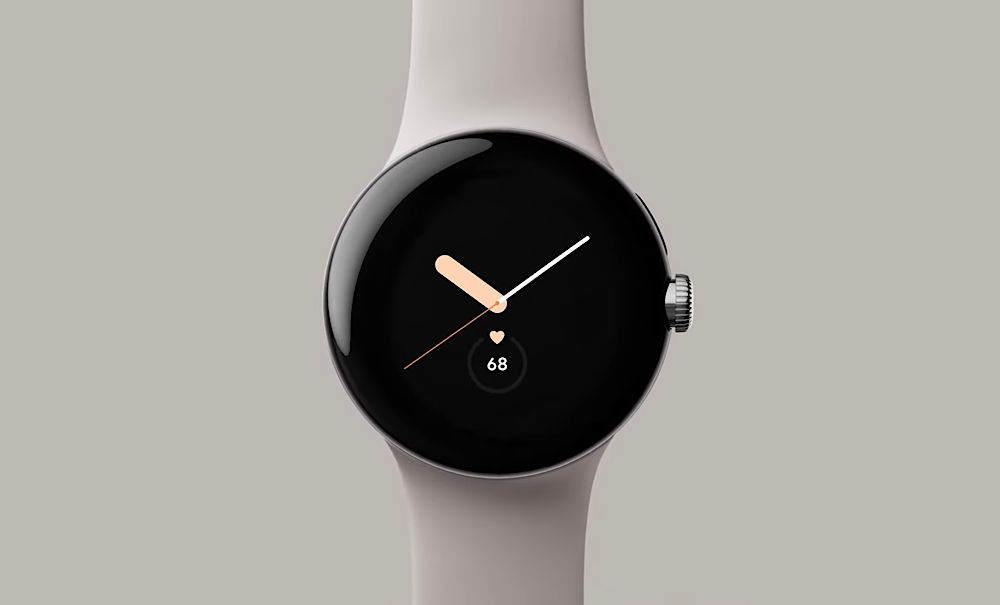
Google confirmed that the Wear OS would receive the same annual update treatment the Android operating system gets following the unveiling of the Pixel Watch last week. It means Google’s first in-house smartwatch will receive at least three versions of the Wear OS in the years to come.
The Wear OS went through somewhat of a rebirth last year. Apart from changing its name from Android Wear, Google also announced its partnership with Samsung to co-develop Wear OS as a “unified platform.” Now that Google has brought the Pixel Watch to the market, the company confirmed Wear OS would receive regular updates every year.
“Our goal is, from a platform perspective, for us to release a new version of Wear generally every year in a similar fashion to mobile, partly because we need to support mobile," Wear OS product management director Björn Kilburn told Wired. “If new functionalities added in Android are critical for watches and hearables, then we've got to find a way to get it into the watch.” Aside from a new version launching annually, Wear OS will also receive updates every quarter to add “new experiences” to the platform.
How Google will name the annual version of Wear OS is still unclear. New versions of Android used to launch with dessert-themed names until Google switched to a simpler numbering scheme in 2019, and it remains to be seen if the same approach will be used for Wear OS.
Similar to Android, the availability of over-the-air updates for new versions of Wear OS will also depend on every manufacturer starting in Wear OS 3. This means some smartwatch brands (like the Pixel Watch) will likely receive new versions and the latest updates earlier than others.
Shortly after the Pixel Watch launched, Google published a support page confirming that the smartwatch would receive at least three years of software updates. It means users can expect to get the new versions of Wear OS through October 2025.
Google is now accepting Pixel Watch pre-orders and has confirmed the device will ship to nine countries, including Australia, Canada, France, Germany, Ireland, Japan, Taiwan, the United States, and the United Kingdom. Its Bluetooth/Wi-Fi variant is available starting at $349, while its LTE version costs $399.







