


 Oil Prices Slide on US-Iran Talks, Dollar Strength and Profit-Taking Pressure
  ECB’s Cipollone Backs Digital Euro as Europe Pushes for Payment System Independence
  Fed Confirms Rate Meeting Schedule Despite Severe Winter Storm in Washington D.C.
  Dow Hits 50,000 as U.S. Stocks Stage Strong Rebound Amid AI Volatility
  Japanese Pharmaceutical Stocks Slide as TrumpRx.gov Launch Sparks Market Concerns
  U.S. Stock Futures Edge Higher as Tech Rout Deepens on AI Concerns and Earnings
  BOJ Rate Decision in Focus as Yen Weakness and Inflation Shape Market Outlook
  Gold Prices Slide Below $5,000 as Strong Dollar and Central Bank Outlook Weigh on Metals
  China Extends Gold Buying Streak as Reserves Surge Despite Volatile Prices
  Bank of Japan Signals Cautious Path Toward Further Rate Hikes Amid Yen Weakness
  RBA Raises Interest Rates by 25 Basis Points as Inflation Pressures Persist
  Thailand Inflation Remains Negative for 10th Straight Month in January
  Oil Prices Slip as U.S.–Iran Talks Ease Supply Disruption Fears
  Trump Lifts 25% Tariff on Indian Goods in Strategic U.S.–India Trade and Energy Deal


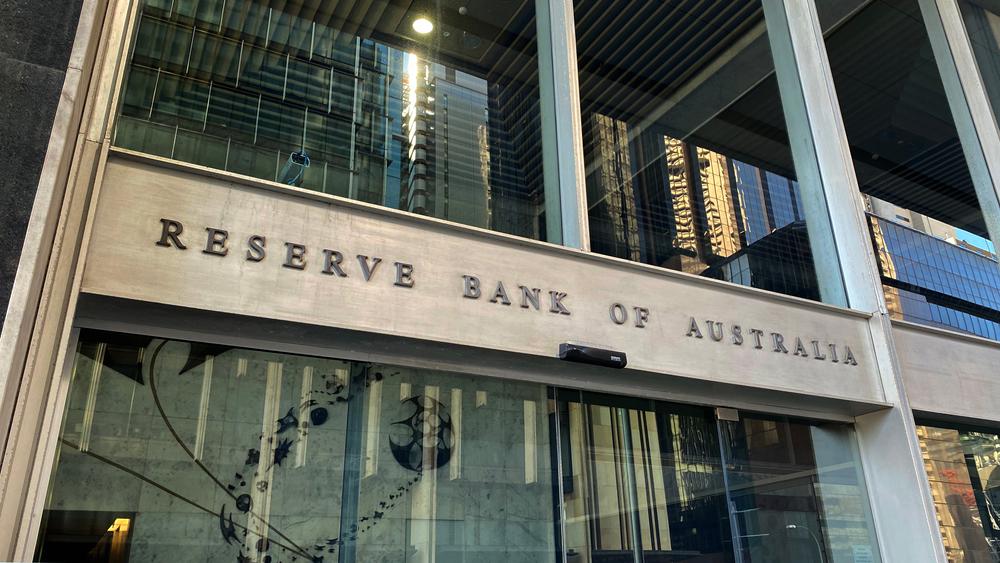
The Reserve Bank of Australia (RBA) held its benchmark interest rate steady at 4.1% on Tuesday, aligning with market expectations. The decision comes after a 25 basis point rate cut in February and ahead of the upcoming federal elections in early May.
Despite recent declines in inflation and labor market activity, the RBA remains cautious. The central bank noted that inflation is easing in line with forecasts but warned of potential risks of a rebound. As a result, policymakers reiterated their commitment to a data-dependent approach and emphasized that bringing inflation back to the 2% to 3% target range remains the top priority.
The RBA highlighted concerns over global headwinds, including the impact of U.S. trade tariffs and rising geopolitical tensions, which could weigh on global economic growth. Domestically, while Australia's labor market remains tight, weak productivity growth and soft consumer spending pose challenges to sustained recovery.
Although income growth is expected to support consumption, the RBA warned that spending may remain subdued, potentially leading to a sharper downturn in employment and overall economic performance. Analysts anticipate a possible 25 basis point rate cut in May following the elections, but the RBA is expected to maintain a cautious and shallow easing cycle amid lingering economic uncertainties.
With inflation cooling and growth prospects uncertain, the RBA’s pause signals a careful balancing act between supporting the economy and ensuring inflation remains under control. Investors and economists now closely watch upcoming data releases to gauge the central bank's next move.













