


 U.S. Warplane Shot Down by Iran Amid Escalating Middle East Conflict
  Norma Group Posts Revenue Decline in 2025, Eyes Modest Recovery in 2026
  CTOC Adds 3,000 Doctors, 500 Hospitals Ahead of Liquidity Push
  U.S. Stock Futures Stabilize Ahead of Good Friday as Investors Eye Jobs Report
  Gold Prices Drop as Trump Escalates Iran Threats, Oil Surges
  Gold Prices Surge as U.S.-Iran Ceasefire Talks Spark Market Optimism
  KPMG UK Cuts 440 Audit Jobs Amid Low Attrition and Cooling Professional Services Demand
  Iran's Stranglehold on the Strait of Hormuz: What It Means for Global Markets
  Nike Beats Q3 Estimates but China Weakness and Margin Pressure Weigh on Outlook
  Europe's Aviation Sector on Track to Meet 2025 Green Fuel Mandate
  MATCH Act Targets ASML and Chinese Chipmakers in New U.S. Export Crackdown
  TSMC Japan's Second Fab to Produce 3nm Chips by 2028
  Trump Expands Tariffs on Pharmaceuticals and Metals One Year After Liberation Day
  U.S. Job Market Braces for Slow Recovery Amid Middle East Tensions and Economic Uncertainty
  Morgan Stanley: Fed Rate Cuts Still on Track Despite Oil-Driven Inflation
  Japan's Services Sector Growth Slows in March Amid Rising Middle East Tensions
  Oil Prices Slide as Iran Tensions Ease and U.S. Crude Stockpiles Swell


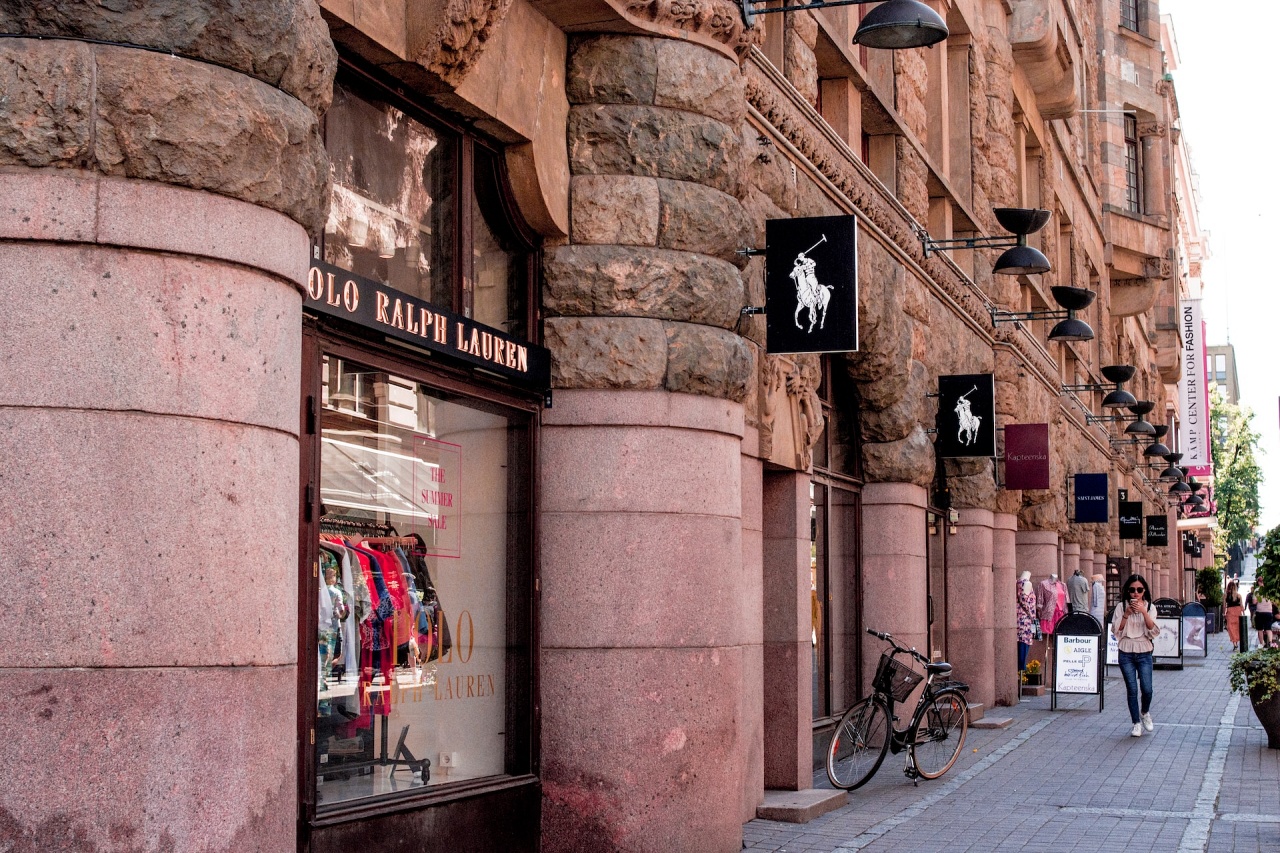
Polo Ralph Lauren and Tommy Hilfiger have reportedly blocked the IP addresses of their Korean customers to stop them from visiting their home web page. The fashion brands are said to have made the move to make Koreans buy goods from local outlets instead.
So far, only Ralph Lauren and Tommy Hilfiger have removed the access of Korean customers to their home IP addresses at this time. Officials in the fashion industry confirmed the ban on Wednesday, Aug. 9.
The Korea Times reported that many shoppers tend to buy directly from the brand's country of origin because the prices are lower, but for sellers of the items in different regions, this is disadvantageous for their business. This is because they will lose local buyers and yield little to no sales.
Thus, it is understandable why this practice of buying directly from the companies that made the products has become a problem for international fashion companies that are selling items on their Korea-based websites.
In any case, local shoppers found out that they were blocked from the websites of Ralph Lauren and Tommy Hilfiger when they are always being redirected back to Korean websites that are selling the brands' fashion products. Every time people try to visit the North American online stores of the brands, they are automatically brought to Korean-language stores.
One customer shared, "I used the American website to buy Ralph Lauren items during Black Fridays before. But now I get redirected to a Korean website whenever I try to connect to U.S. one. It's a shame that a global company like Ralph Lauren blocked local IPs."
Local customers said the situation is the same when they visit Tommy Hilfiger's U.S. website. They are being redirected to the label's website in Korea, which Handsome.com operates.
Finally, Hankyung News reported that the brands barred the Korean IPs so local customers would stick to buying products in their region. "It is at the discretion of the company to have different sales strategies for each country, but blocking access to the website itself can be seen as an act of limiting consumer choice," an official in the fashion sector said.
Photo by: Hayffield L/Unsplash







