


 Norway Opens Corruption Probe Into Former PM and Nobel Committee Chair Thorbjoern Jagland Over Epstein Links
  TrumpRx.gov Highlights GLP-1 Drug Discounts but Offers Limited Savings for Most Americans
  U.S. to Begin Paying UN Dues as Financial Crisis Spurs Push for Reforms
  Trump Signs “America First Arms Transfer Strategy” to Prioritize U.S. Weapons Sales
  Trump Lifts 25% Tariff on Indian Goods in Strategic U.S.–India Trade and Energy Deal
  U.S. Lawmakers to Review Unredacted Jeffrey Epstein DOJ Files Starting Monday
  Japan Election 2026: Sanae Takaichi Poised for Landslide Win Despite Record Snowfall
  Iran–U.S. Nuclear Talks in Oman Face Major Hurdles Amid Rising Regional Tensions
  Netanyahu to Meet Trump in Washington as Iran Nuclear Talks Intensify
  New York Legalizes Medical Aid in Dying for Terminally Ill Patients
  Missouri Judge Dismisses Lawsuit Challenging Starbucks’ Diversity and Inclusion Policies
  Ohio Man Indicted for Alleged Threat Against Vice President JD Vance, Faces Additional Federal Charges
  Trump Backs Nexstar–Tegna Merger Amid Shifting U.S. Media Landscape
  Trump Says “Very Good Talks” Underway on Russia-Ukraine War as Peace Efforts Continue
  Pentagon Ends Military Education Programs With Harvard University
  US Pushes Ukraine-Russia Peace Talks Before Summer Amid Escalating Attacks
  Trump Endorses Japan’s Sanae Takaichi Ahead of Crucial Election Amid Market and China Tensions


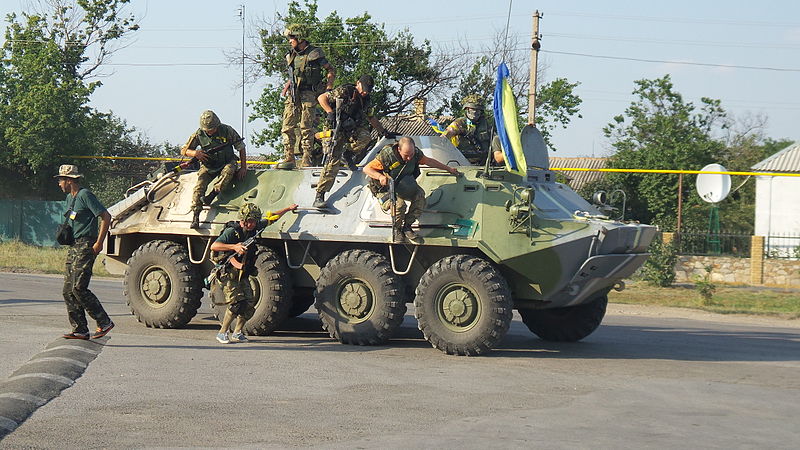
As tensions mount between Russia, the US, and Ukraine, officials from Moscow and Washington are to address the situation this week. The discussions between Russian and US officials center around the situation at the border between Russia and Ukraine, as well as the demands Moscow has made.
The negotiations this week come as a buildup of Russian troops at the border it shares with Ukraine has led to fears of a possible invasion. It also comes as Moscow demands wide-ranging guarantees from the US and NATO. The US has repeatedly warned that Russia would face severe sanctions if it decides to invade Ukraine.
US Deputy Secretary of State Wendy Sherman and her Russian counterpart, Deputy Foreign Minister Sergei Ryabkov opened their discussion at the US mission in Geneva, Switzerland. Both have already previously met Sunday though informally. Ryabkov told Russian media that their first meeting was “difficult.”
State news agency RIA Novosti reported Monday that Ryabkov said that he does not think Washington is taking Moscow’s demands for NATO to cease expanding the alliance eastward seriously.
“Are they ready to give legal guarantees that this country, as well as other countries…will not join NATO?” said Ryabkov, referring to a pledge made in 2008 by NATO to consider offering Georgia and Ukraine membership into the alliance. “I have a rather pessimistic forecast in this regard.”
The US State Department said that Sherman stressed the “freedom of sovereign nations to choose their own alliances,” during the discussions with Ryabkov.
Ahead of the discussions between the US and Russia, NATO Secretary-General Jens Stoltenberg warned to be prepared for the possibility of the talks falling through. Stoltenberg also reiterated the warning that should Russia use military force against Ukraine, severe sanctions will follow.
“We need to be prepared for the possibility that the talks break down and that diplomacy will fail, And that’s exactly why we are sending a very clear message to Russia that if they once again decide to use military force against a neighbor, then there will be severe consequences, a high price to pay – economic sanctions, financial sanctions, political sanctions,” said Stoltenberg.













