


 Nicaragua Ends Visa-Free Entry for Cubans, Disrupting Key Migration Route to the U.S.
  US Pushes Ukraine-Russia Peace Talks Before Summer Amid Escalating Attacks
  Japan Election 2026: Sanae Takaichi Poised for Landslide Win Despite Record Snowfall
  Bangladesh Election 2026: A Turning Point After Years of Political Suppression
  Trump Signs Executive Order Threatening 25% Tariffs on Countries Trading With Iran
  Ghislaine Maxwell to Invoke Fifth Amendment at House Oversight Committee Deposition
  Trump Says “Very Good Talks” Underway on Russia-Ukraine War as Peace Efforts Continue
  Antonio José Seguro Poised for Landslide Win in Portugal Presidential Runoff
  Trump Administration Appeals Court Order to Release Hudson Tunnel Project Funding
  Taiwan Says Moving 40% of Semiconductor Production to the U.S. Is Impossible
  Trump Lifts 25% Tariff on Indian Goods in Strategic U.S.–India Trade and Energy Deal
  Bosnian Serb Presidential Rerun Confirms Victory for Dodik Ally Amid Allegations of Irregularities
  China Warns US Arms Sales to Taiwan Could Disrupt Trump’s Planned Visit
  Anutin’s Bhumjaithai Party Wins Thai Election, Signals Shift Toward Political Stability
  Israel Approves West Bank Measures Expanding Settler Land Access
  India–U.S. Interim Trade Pact Cuts Auto Tariffs but Leaves Tesla Out
  Ohio Man Indicted for Alleged Threat Against Vice President JD Vance, Faces Additional Federal Charges


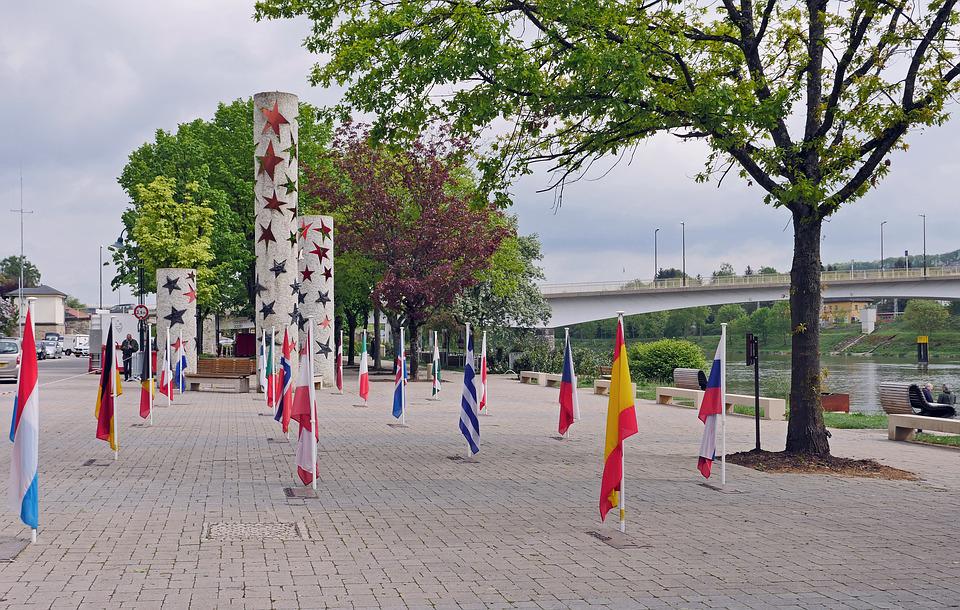
Several European nations have considered the idea of restricting the entry of Russians looking to travel to the rest of the continent. Three Baltic countries have agreed to restrict the entry of Russians travelling from Russia and Belarus.
The foreign ministers of Latvia, Estonia, and Lithuania announced Wednesday that the three countries would be restricting the entry of Russian citizens coming from Russia and Belarus. They expect the entry ban to take effect by the middle of September after getting approval from their respective governments.
“In the last couple of weeks and months, the border crossing by Russian citizens holding Schengen visas has dramatically increased. This is becoming a public security issue, this is also an issue of a moral and political nature,” Latvian foreign minister Edgars Rinkevics said during a news conference in Lithuania.
The countries will be turning away all Russian citizens with visas to enter the EU’s Schengen open border area. However, exceptions would be made for humanitarian and family reasons, lorry drivers, and diplomats.
The EU has already cancelled direct flights from Russia following Moscow’s invasion of Ukraine back in February. This left Russians with few options to travel to the EU. This entry ban is also the first of its kind in the bloc, as Estonia already had a soft entry ban in place on August 18.
The soft ban by Estonia only turned away Russians with Schengen visas issued by Estonian authorities. Finland, which has also considered a ban, did not join the three other countries out of legal concerns on whether it can refuse entry to Russian nationals with Schengen visas that are issued by the EU.
The Ukrainian army’s commander-in-chief Valery Zaluzkhnyi claimed responsibility for the strikes that occurred in the Russian-annexed Crimea, including one strike that destroyed the Saky military facility in August.
Zaluzhnyi said in a piece he co-wrote with lawmaker Mykhailo Zabrodskyi on the state news outlet Ukrinform that the strikes in Crimea were carried out by rockets or missiles but did not elaborate further.
Until now, Kyiv has only suggested its involvement in the strikes in the peninsula, which Russia annexed in 2014. One senior official familiar with the matter told Reuters that the air base strikes were done by Ukrainian saboteurs on the ground.













