


 Netanyahu to Meet Trump in Washington as Iran Nuclear Talks Intensify
  Sydney Braces for Pro-Palestine Protests During Israeli President Isaac Herzog’s Visit
  U.S. Lawmakers to Review Unredacted Jeffrey Epstein DOJ Files Starting Monday
  China Warns US Arms Sales to Taiwan Could Disrupt Trump’s Planned Visit
  Trump Allows Commercial Fishing in Protected New England Waters
  Trump Slams Super Bowl Halftime Show Featuring Bad Bunny
  Ohio Man Indicted for Alleged Threat Against Vice President JD Vance, Faces Additional Federal Charges
  Trump Congratulates Japan’s First Female Prime Minister Sanae Takaichi After Historic Election Victory
  Trump Backs Nexstar–Tegna Merger Amid Shifting U.S. Media Landscape
  Japan Election 2026: Sanae Takaichi Poised for Landslide Win Despite Record Snowfall
  Israel Approves West Bank Measures Expanding Settler Land Access
  Trump Administration Appeals Court Order to Release Hudson Tunnel Project Funding
  Antonio José Seguro Poised for Landslide Win in Portugal Presidential Runoff
  Ghislaine Maxwell to Invoke Fifth Amendment at House Oversight Committee Deposition
  Taiwan Says Moving 40% of Semiconductor Production to the U.S. Is Impossible
  Trump’s Inflation Claims Clash With Voters’ Cost-of-Living Reality


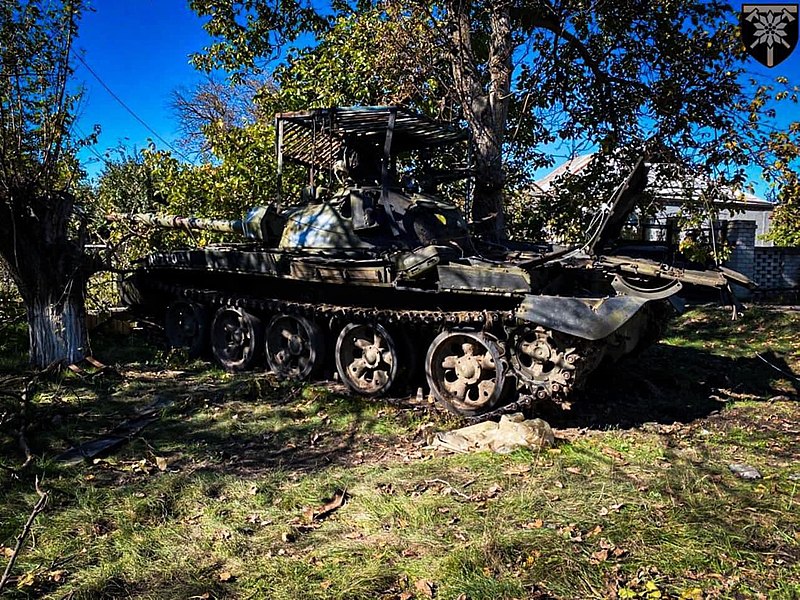
Eight months into the war, Russia has now sought to levy “dirty bomb” allegations against Ukraine. However, countries in the West say Moscow could plan to use the accusation as a pretext to escalate the war.
Top Russian officials spoke with their Western counterparts Monday to levy the suspicion that Ukraine is planning to deploy a “dirty bomb” in the war. However, the foreign ministers of the United Kingdom, France, and the United States rejected the accusations as “transparently false.”
“Our countries made clear that we all reject Russia’s transparently false allegations that Ukraine is planning to use a dirty bomb on its own territory. The world would see through any attempt to use this allegation as a pretext for escalation. We further reject any pretext for escalation by Russia,” said the ministers in a joint statement.
Washington later issued a warning to Moscow, as State Department spokesperson Ned Price said the US has made clear that there would be severe consequences should Russia decide to use nuclear weapons on Ukraine, whether it was a dirty bomb or a nuclear bomb.
Moscow said it does not intend to use a nuclear weapon and sent a letter about its claims to the United Nations on Monday while raising the issue with the UN Security Council in a meeting Tuesday.
US officials have also said there was no indication that Russia made the decision to use a dirty bomb or any nuclear weapon in its war with Ukraine.
The Russian defense ministry claimed that Ukraine would use a dirty bomb with the goal of blaming Russia for potential radioactive contamination. The UN nuclear watchdog IAEA said Monday that it would be sending inspectors to two Ukrainian sites at Ukraine’s request as a response to Moscow’s accusations.
30 Liberal Congressional Democrats are now urging US President Joe Biden to shift his strategy on the war by also pursuing a negotiated settlement along with continued economic and military aid.
When pressed for comment, Price said that Washington has heard from Kyiv that the only way to end the war was through diplomacy and dialogue. However, according to Price, Russia has not given any indication that it is willing to engage in diplomacy and dialogue in good faith.













