


 Sony Q3 Profit Jumps on Gaming and Image Sensors, Full-Year Outlook Raised
  Prudential Financial Reports Higher Q4 Profit on Strong Underwriting and Investment Gains
  Kroger Set to Name Former Walmart Executive Greg Foran as Next CEO
  Dow Hits 50,000 as U.S. Stocks Stage Strong Rebound Amid AI Volatility
  Nvidia, ByteDance, and the U.S.-China AI Chip Standoff Over H200 Exports
  Lee Seung-heon Signals Caution on Rate Hikes, Supports Higher Property Taxes to Cool Korea’s Housing Market
  Once Upon a Farm Raises Nearly $198 Million in IPO, Valued at Over $724 Million
  U.S.-India Trade Framework Signals Major Shift in Tariffs, Energy, and Supply Chains
  Parasites are ecological dark matter – and they need protecting
  Uber Ordered to Pay $8.5 Million in Bellwether Sexual Assault Lawsuit
  Amazon Stock Rebounds After Earnings as $200B Capex Plan Sparks AI Spending Debate
  Asian Currencies Stay Rangebound as Yen Firms on Intervention Talk
  LA fires: Fast wildfires are more destructive and harder to contain
  Samsung Electronics Shares Jump on HBM4 Mass Production Report
  Bank of Japan Signals Readiness for Near-Term Rate Hike as Inflation Nears Target
  Vietnam’s Trade Surplus With US Jumps as Exports Surge and China Imports Hit Record
  RBI Holds Repo Rate at 5.25% as India’s Growth Outlook Strengthens After U.S. Trade Deal


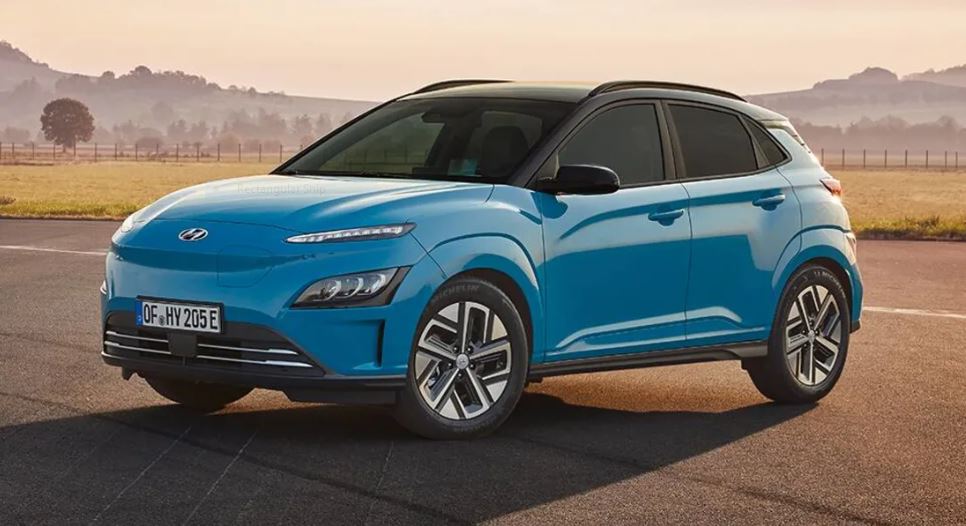
South Korea seeks to more than double electric vehicle production to capture 12 percent of the global market share by 2030.
For the goal to be a global car industry powerhouse, the South Korean government vowed to provide tax incentives and various supportive measures worth about a combined 95 trillion won by 2026, to promote their local carmakers’ investment.
To account for 12 percent of the world’s EV market, South Korean carmakers plan to increase their global EV production from around 254,000 units logged last year to a combined 3.3 million units by 2030. Their market share was 5 percent as of 2021.
The road map was announced during a meeting presided by Industry Minister Lee Chang-yang with senior officials of major carmakers and related firms, including Hyundai Motor Co., Kia Corp., GM Korea and major wireless carrier KT Corp.
They vowed to develop key software for EVs with their own technologies by 2026 and nurture 30,000 personnel with expertise in the future car sector, as well as 300 companies specializing in the development of automotive software by 2030, according to the Ministry of Trade, Industry and Energy.













