


 Trump Signs Executive Order Threatening 25% Tariffs on Countries Trading With Iran
  Indian Refiners Scale Back Russian Oil Imports as U.S.-India Trade Deal Advances
  Nikkei 225 Hits Record High Above 56,000 After Japan Election Boosts Market Confidence
  Dow Hits 50,000 as U.S. Stocks Stage Strong Rebound Amid AI Volatility
  Yen Slides as Japan Election Boosts Fiscal Stimulus Expectations
  Australian Pension Funds Boost Currency Hedging as Aussie Dollar Strengthens
  UK Starting Salaries See Strongest Growth in 18 Months as Hiring Sentiment Improves
  Bank of Japan Signals Readiness for Near-Term Rate Hike as Inflation Nears Target
  Dollar Near Two-Week High as Stock Rout, AI Concerns and Global Events Drive Market Volatility
  Global Markets Slide as AI, Crypto, and Precious Metals Face Heightened Volatility
  U.S.-India Trade Framework Signals Major Shift in Tariffs, Energy, and Supply Chains
  Australian Household Spending Dips in December as RBA Tightens Policy
  China Extends Gold Buying Streak as Reserves Surge Despite Volatile Prices
  Asian Stocks Slip as Tech Rout Deepens, Japan Steadies Ahead of Election
  Trump’s Inflation Claims Clash With Voters’ Cost-of-Living Reality
  Gold and Silver Prices Rebound After Volatile Week Triggered by Fed Nomination


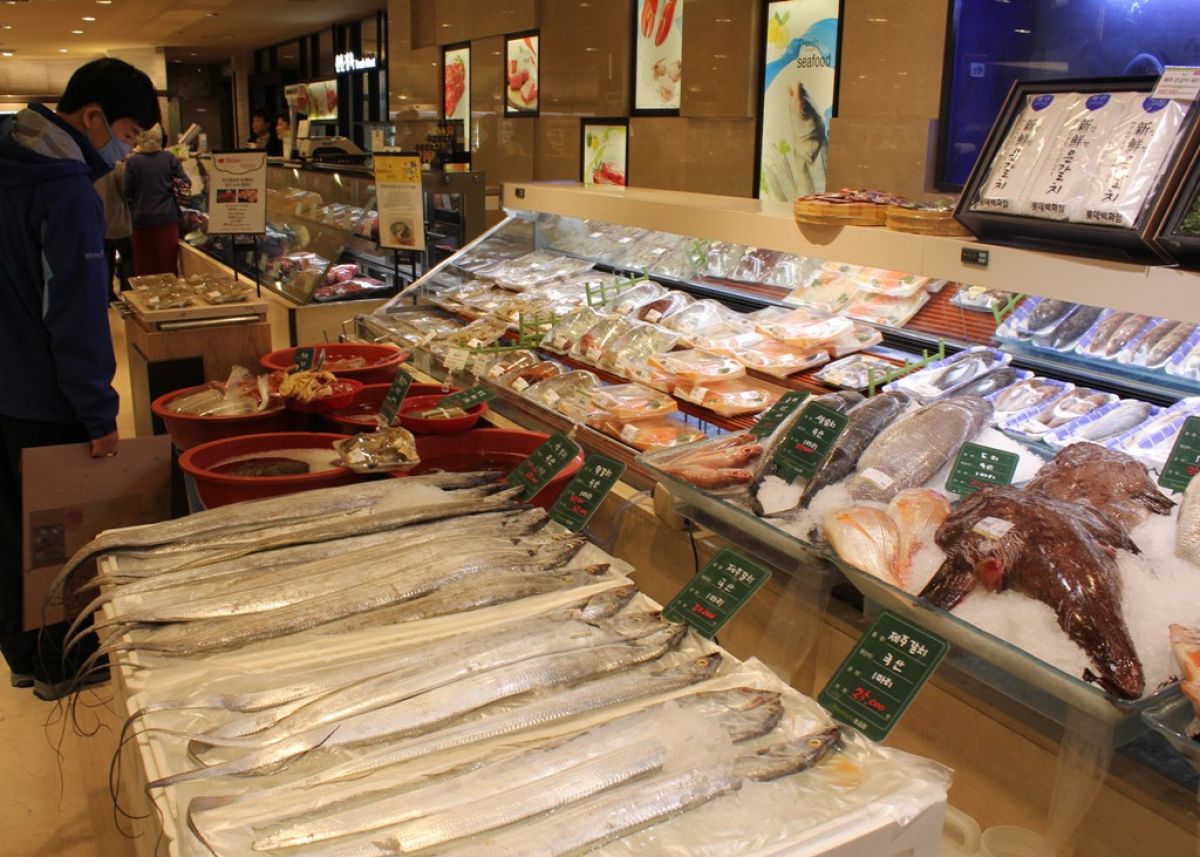
South Korea's fisheries posted a 3.71 million-ton output last year, down 3.8 percent from 2019 and marking the smallest since 2016, largely to sluggish aquaculture production and a fall in consumption.
The output was 3.26 million tons in 2016.
Last year's output from seaweed and oyster farming remained sluggish due to long rainy seasons, while those from deep-sea and inland fishing also dropped due to decreased fish stocks and a fall in consumption caused by the pandemic.
In terms of value, the output hit a record high of 8.7 trillion won last year, increasing 4.7 percent from a year earlier.
It also marked the fastest on-year gain since a 14.6 percent gain in 2017.













