


 Missouri Judge Dismisses Lawsuit Challenging Starbucks’ Diversity and Inclusion Policies
  Indian Refiners Scale Back Russian Oil Imports as U.S.-India Trade Deal Advances
  Why a ‘rip-off’ degree might be worth the money after all – research study
  Columbia Student Mahmoud Khalil Fights Arrest as Deportation Case Moves to New Jersey
  The ghost of Robodebt – Federal Court rules billions of dollars in welfare debts must be recalculated
  The American mass exodus to Canada amid Trump 2.0 has yet to materialize
  Locked up then locked out: how NZ’s bank rules make life for ex-prisoners even harder
  Trump Signs Executive Order Threatening 25% Tariffs on Countries Trading With Iran
  Global Markets Slide as AI, Crypto, and Precious Metals Face Heightened Volatility
  Nvidia, ByteDance, and the U.S.-China AI Chip Standoff Over H200 Exports
  Gold and Silver Prices Climb in Asian Trade as Markets Eye Key U.S. Economic Data
  OpenAI Expands Enterprise AI Strategy With Major Hiring Push Ahead of New Business Offering
  Can your cat recognise you by scent? New study shows it’s likely
  Yen Slides as Japan Election Boosts Fiscal Stimulus Expectations
  Sony Q3 Profit Jumps on Gaming and Image Sensors, Full-Year Outlook Raised
  The pandemic is still disrupting young people’s careers
  Debate over H-1B visas shines spotlight on US tech worker shortages


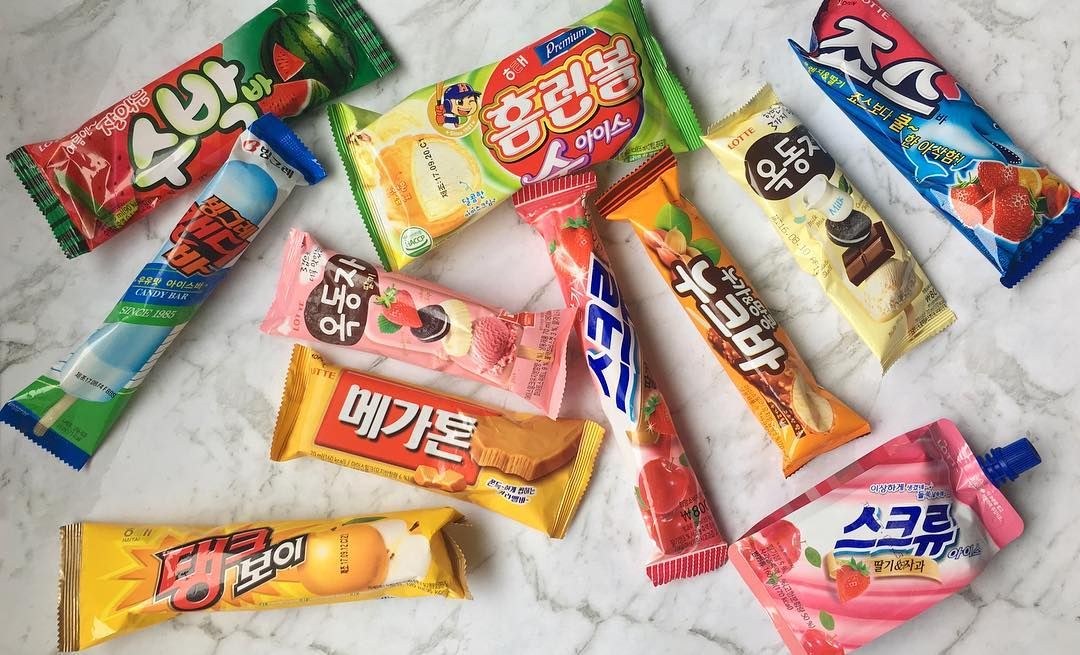
South Korea's ice cream exports reached an all-time high of $50 million in the January-June period, up 14 percent from a year earlier, amid a global heat wave and the growing popularity of Korean culture.
During the aforementioned period, imports increased 0.3 percent year over year to $28 million, again setting an all-time high.
With $18 million in exports or 36 percent of the total, the US was Korea's top destination for ice cream.
According to information provided by the Korea Customs Service, other important markets were the Philippines, Canada, and Vietnam.
According to the agency, overseas demand appears to have risen due to the hot weather across the globe and increased interest in Korean food items on the back of pop culture popularity.
South Korea accounted for 1.6 percent of the global ice cream market, increasing 1.3 percent from 2019.













