


 DOJ Seeks Dismissal of Fraud Charges Against Gautam Adani in U.S. Court
  Iran Says It Closes Strait of Hormuz After Warning Shot at Vessel
  Wolfspeed Sues Navitas Over GaN and SiC Patent Infringement
  Meta Says States Seek $1.4 Trillion in Penalties Over Teen Social Media Addiction Lawsuit
  France Keeps Top Health Alert as Officials Brace for Another Heatwave
  Western Allies Push for More Air Defenses for Ukraine at Paris Summit
  Deutsche Bank Fined A$2 Million by ASIC Over OTC Derivatives Reporting Errors
  Fortescue Faces Class Action Over Sexual Harassment Claims at Australian Mining Sites
  EU Weighs New Trade Restrictions on Israeli West Bank Settlements
  Israeli Strikes Kill Six in Gaza as Ceasefire Talks Continue in Cairo
  Super Micro Employees Detained in Taiwan AI Server Export Investigation
  Trump Recommends Darline Graham for Interim South Carolina Senate Seat
  ICC Says Darfur War Crimes Probe Reaches Breakthrough in Sudan Investigation
  EU Ministers Split as Support Grows for Ban on Trade With Israeli West Bank Settlements
  Trump Orders DOJ Investigation Into Exxon, Chevron Over High Gas Prices
  DOJ Subpoenas New York Times Journalists Over Air Force One Leak Report


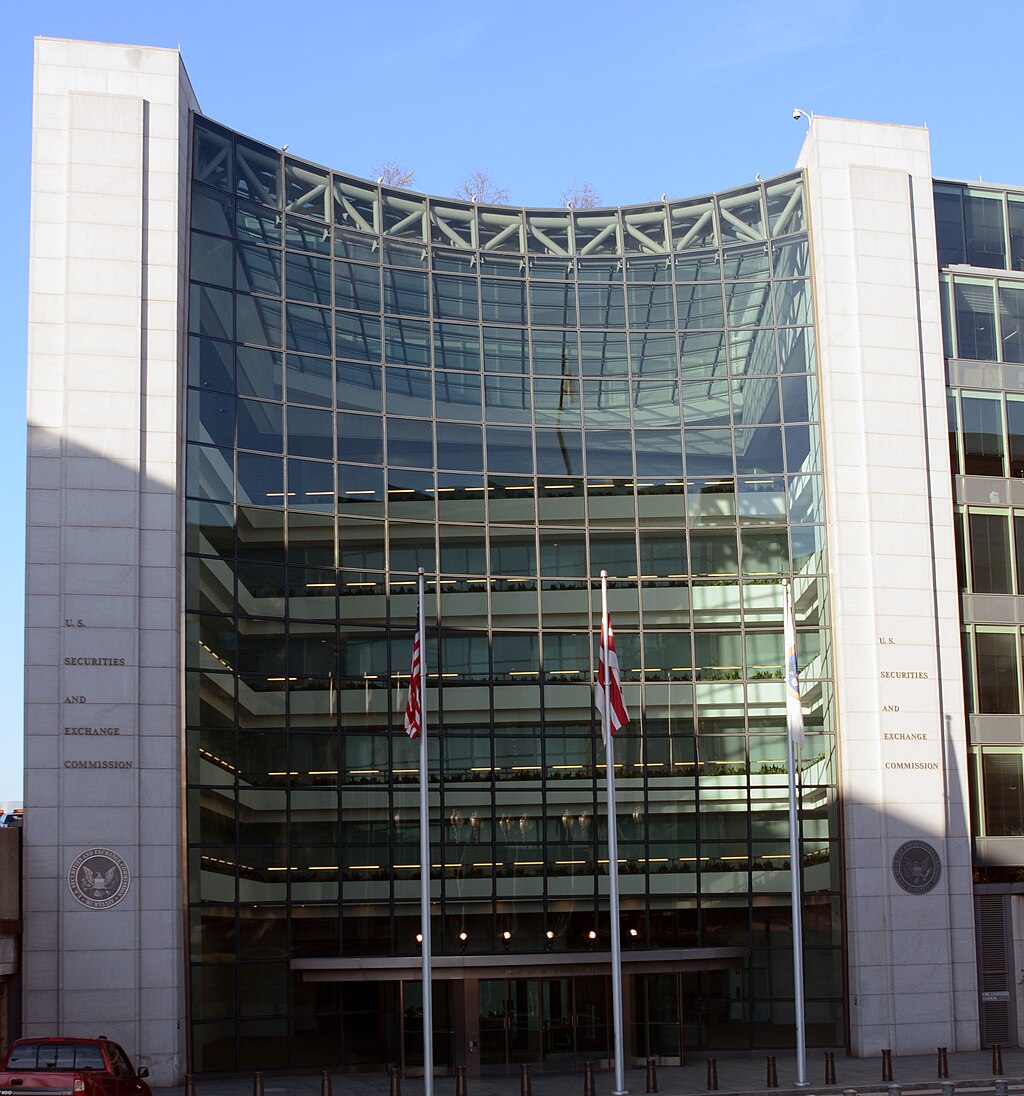
The Securities and Exchange Commission (SEC), led by new acting Chair Mark Uyeda, has rescinded the controversial Staff Accounting Bulletin (SAB) 121, a rule that imposed strict disclosure requirements on financial institutions holding cryptocurrency for customers. SAB 122 replaces the rule, allowing firms to decide whether to classify customer-held digital assets as liabilities.
Implemented in 2022, SAB 121 required crypto custody providers and exchanges to list customer holdings as both assets and liabilities, citing the risks of holding crypto. The rule faced backlash from the crypto industry, which argued it complicated accounting practices and discouraged firms from offering crypto custody services. While Congress overturned the bulletin, it was sustained by a veto from former President Joe Biden.
Uyeda, who opposed SAB 121 under the previous SEC Chair Gary Gensler, moved quickly to withdraw the rule after Gensler stepped down earlier this week. The change reflects a friendlier stance towards digital assets under President Donald Trump, who had promoted crypto-friendly policies during his campaign.
SEC Commissioner Hester Peirce celebrated the decision, posting, “Bye, bye SAB 121! It’s not been fun.” The SEC also announced a new task force to guide future crypto regulation, signaling a shift from the enforcement-driven approach favored by Gensler.
Additionally, President Trump signed an executive order calling for the establishment of a national digital assets reserve, though it did not specifically mention Bitcoin. The move underscores the administration’s evolving approach to digital assets and could pave the way for broader adoption.
This policy reversal marks a significant moment for the crypto industry, as regulators adopt a more balanced approach to digital asset oversight.







